The reckoning that skeptics have been predicting for two years arrived this week with the subtlety of a fire alarm. Samsung, SoftBank, and a constellation of chipmakers are plunging as global investors confront an uncomfortable question: what if the AI infrastructure buildout is the greatest misallocation of capital since the fiber-optic boom of 1999?
The selloff, which deepened Thursday across European and Asian markets, is not about whether artificial intelligence works. It does. The problem is simpler and more brutal: the companies spending hundreds of billions on data centers, chips, and cooling systems cannot yet demonstrate that customers will pay enough to justify the investment. Meanwhile, sticky inflation in the United States has revived fears that the Federal Reserve may need to raise rates again, making all that borrowed money considerably more expensive.
The debt dimension
What distinguishes this correction from previous tech wobbles is the leverage involved. The AI buildout has been financed substantially through corporate debt, with companies betting that revenue would materialize before the bills came due. That bet looked reasonable when rates were expected to fall. It looks considerably less reasonable now that October's inflation data has markets pricing in the possibility of another Fed hike.
The Korean market's eight percent single-day plunge is instructive. Samsung and its suppliers are not speculative startups—they are the industrial backbone of AI hardware. When investors flee these names, they are not expressing doubt about chatbots. They are expressing doubt about the entire capital structure underlying the AI economy.
The TSMC paradox
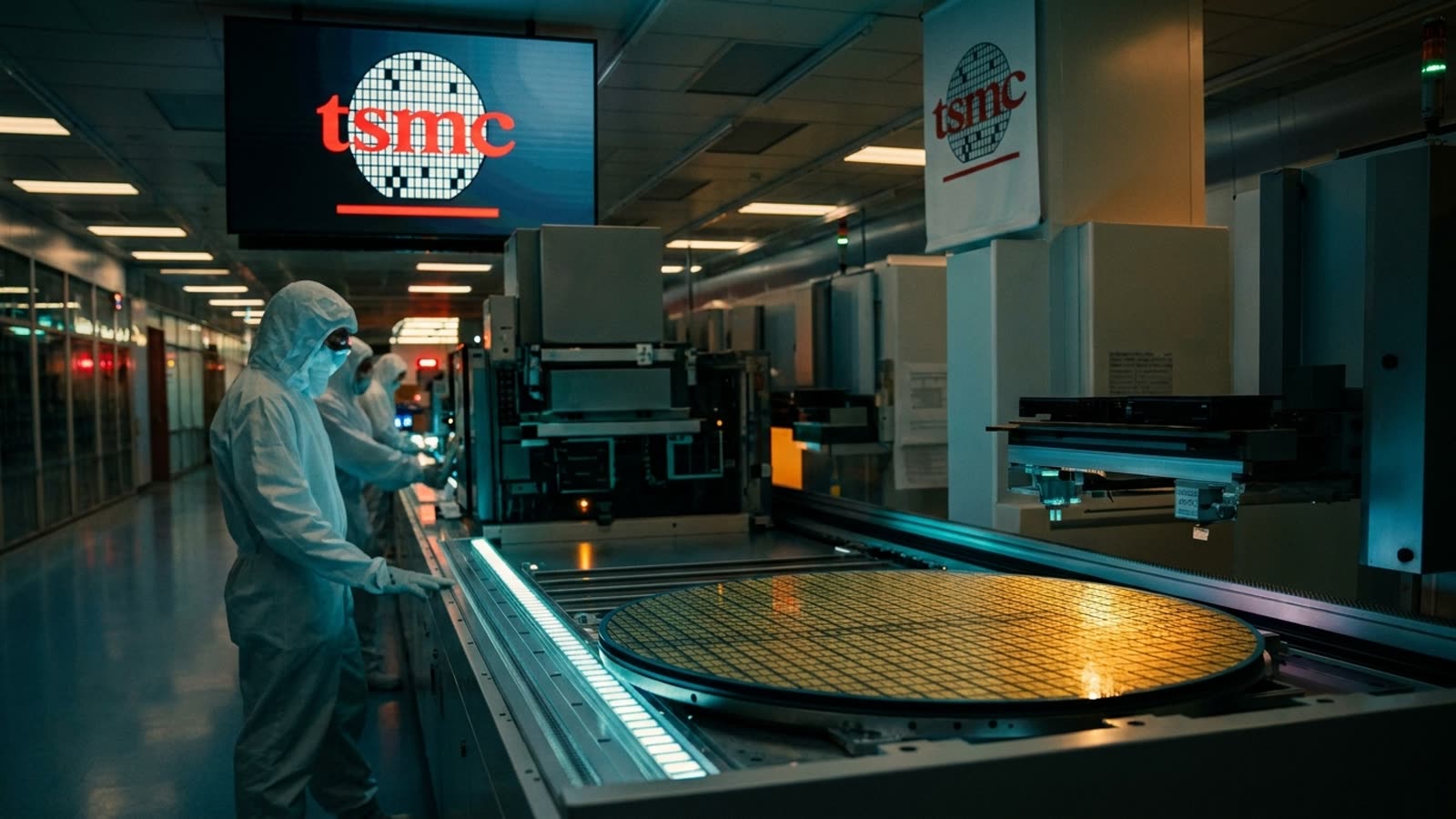
Taiwan Semiconductor's blowout earnings this week—profits of $23.6 billion, beating estimates—might seem to contradict the panic. It does not. TSMC's results confirm that demand for AI chips remains voracious. The question is whether the companies buying those chips can monetize them. TSMC gets paid regardless; its customers bear the risk. The selloff reflects a belated recognition that being the shovel-seller in a gold rush is not the same as finding gold.
Contagion mechanics
The damage is spreading beyond pure-play AI names. Broad equity indexes are sliding as investors reduce risk exposure, and the correlation between tech stocks and interest-rate expectations has tightened uncomfortably. This is the classic late-cycle pattern: an asset class that rose on optimism about growth becomes hostage to fears about financing costs.
Bitcoin's slide below $82,000 on the same inflation concerns underscores the point. Risk assets of all varieties are being repriced as the "higher for longer" interest-rate thesis regains credibility.
Our take
This is not the end of artificial intelligence, nor even necessarily the end of the bull market in AI stocks. But it is the end of the free-money phase, when investors would fund any project with "neural network" in the pitch deck. The companies that survive will be those with actual revenue, actual margins, and actual customers willing to pay for intelligence rather than hype. That is a smaller universe than the one currently trading on public markets, and the repricing has only begun.