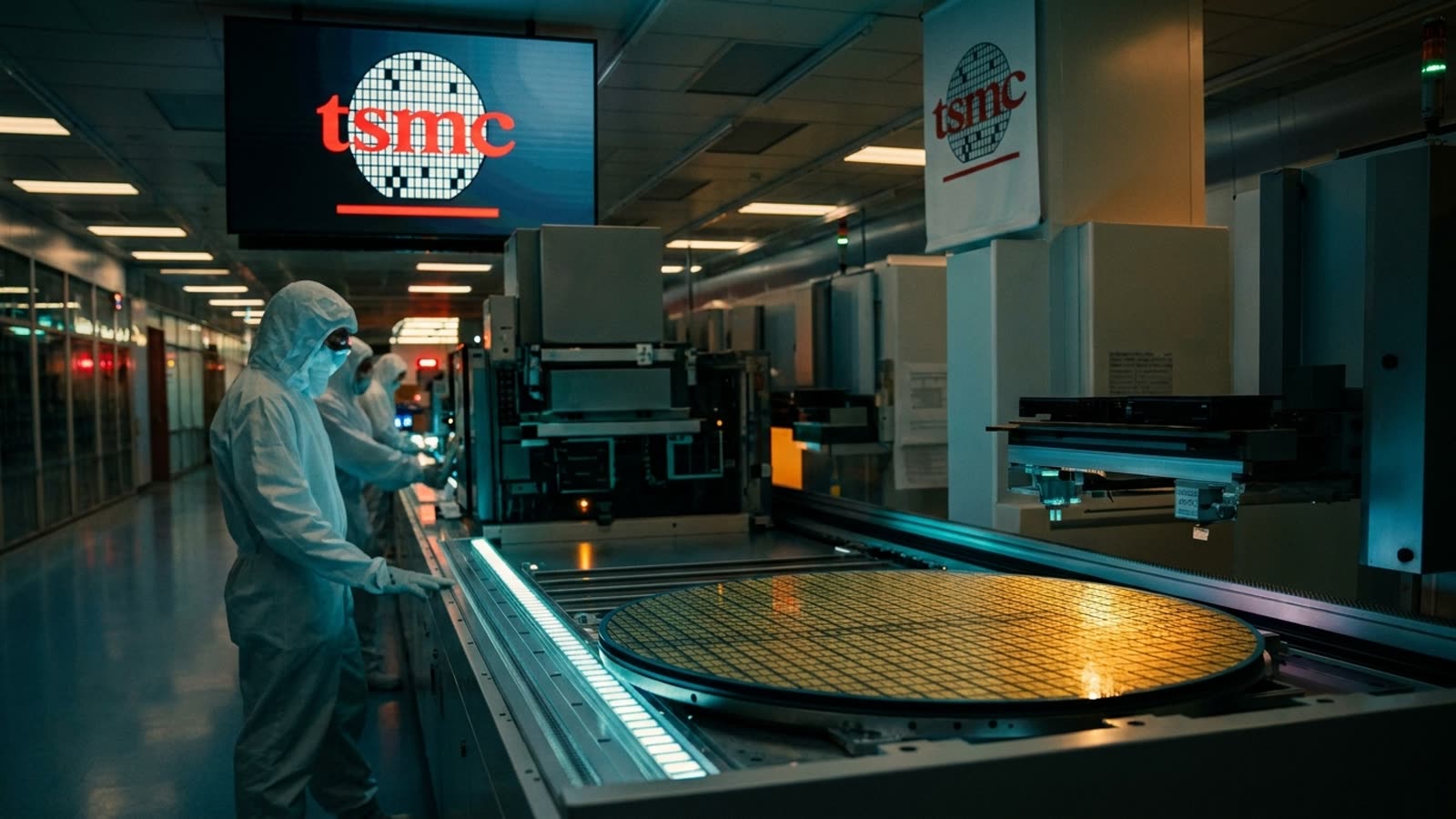
The numbers are almost absurd. Taiwan Semiconductor Manufacturing Company, the foundry that fabricates the brains of nearly every significant AI system on earth, reported third-quarter net income up 54% year-over-year, crushing analyst estimates and posting revenue growth of over 36%. In a week when global equities are hemorrhaging value over inflation fears and chipmaker stocks are getting pummeled, TSMC stands apart—not because it defied gravity, but because it is gravity.
The results confirm what industry observers have suspected for months: AI demand isn't softening, it's accelerating, and TSMC's stranglehold on advanced chip manufacturing means it captures a disproportionate share of that growth. Nvidia, AMD, Apple, Qualcomm, and increasingly Anthropic and OpenAI's custom silicon partners—all roads lead to Hsinchu.
The capacity question
TSMC's Q3 beat arrives amid persistent concerns about whether the AI infrastructure buildout has gotten ahead of itself. Wednesday's hotter-than-expected inflation print sent rate-hike bets spiking and hammered AI-adjacent stocks, with bitcoin miners and data center plays dropping double digits. Yet TSMC's guidance suggests the company sees no demand cliff approaching. Management raised full-year revenue forecasts and indicated that advanced-node utilization—the 3nm and 5nm processes that power cutting-edge AI accelerators—remains effectively maxed out.
This creates a curious dynamic: investors are selling the picks-and-shovels plays while the actual shovel-maker reports record demand. The disconnect likely reflects macro anxiety rather than fundamental doubt about AI's trajectory.
Geopolitical premium
TSMC's dominance carries an asterisk the size of the Taiwan Strait. The company fabricates roughly 90% of the world's most advanced semiconductors on an island that Beijing considers a breakaway province. Every earnings beat is also a reminder of concentration risk that keeps defense planners in Washington and Brussels awake at night.
The company's Arizona fab is progressing, with volume production expected in 2028, but even optimistic projections suggest it will handle only a fraction of leading-edge demand. TSMC's new Japan facility serves older nodes. For the foreseeable future, the AI revolution's physical infrastructure remains geographically concentrated in a way that would make Cold War strategists wince.
Our take
TSMC's quarter isn't just good corporate news—it's a stress test for the thesis that AI spending has become irrational. If the picks-and-shovels supplier is posting 54% profit growth and raising guidance while everyone else panics, perhaps the panic is misplaced. The more interesting question is whether any company should wield this much leverage over a technology this consequential. For now, the market is too busy worrying about rate hikes to notice that the most strategically important company on earth just reported a quarter that suggests the AI boom is real, durable, and running through a single point of failure.