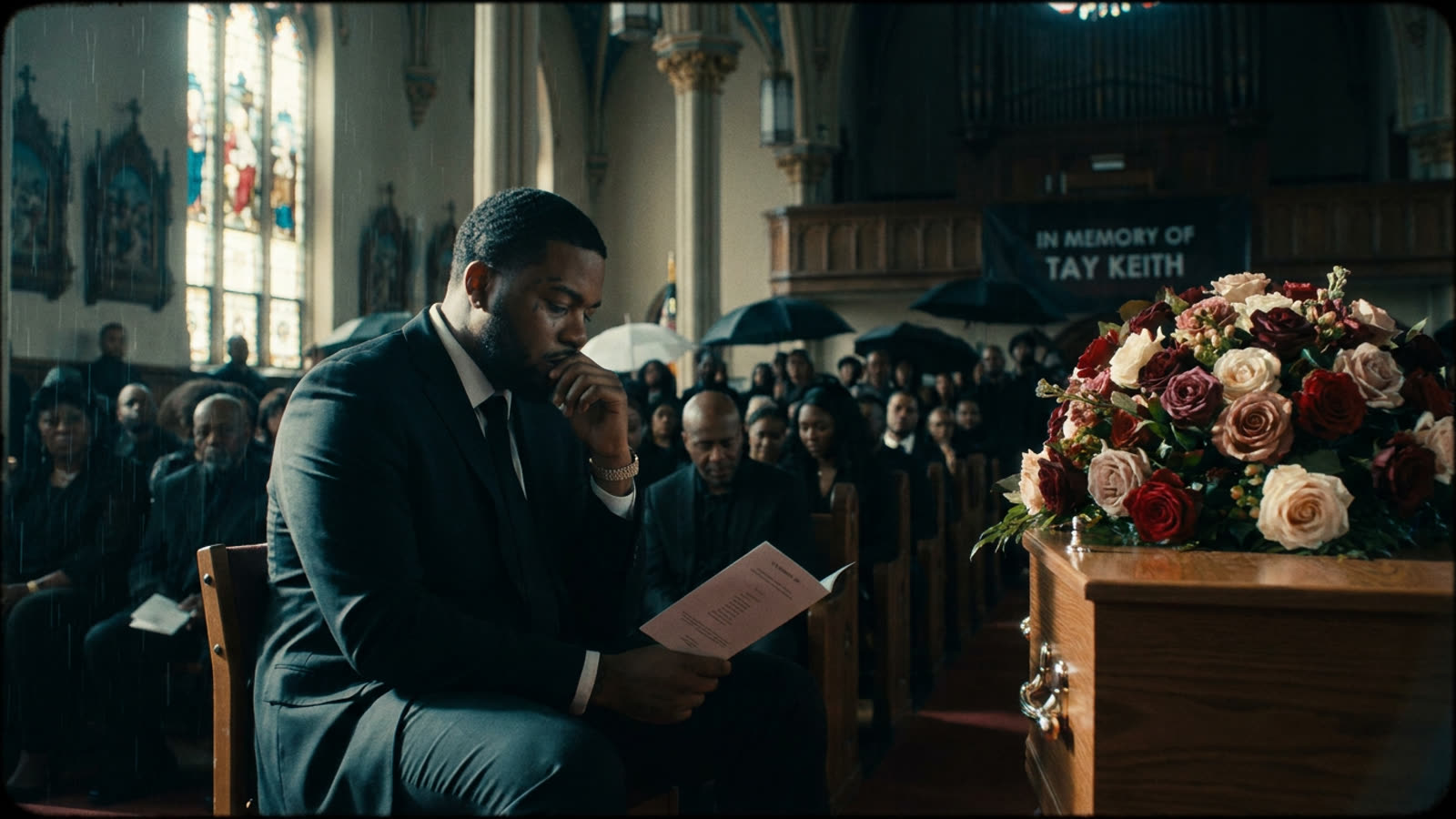
The hip hop world woke to devastating news Thursday as Tay Keith, the Memphis-born producer behind some of the genre's biggest hits of the past decade, died at 29. While details surrounding his death remain unclear, the loss reverberates through an industry that Keith helped reshape with his signature sound.
The Memphis sound goes global
Born Brytavious Lakeith Chambers, Tay Keith emerged from Memphis's thriving underground scene to become one of hip hop's most sought-after producers. His breakthrough came with BlocBoy JB's "Look Alive" featuring Drake in 2018, but it was Drake's "Nonstop" later that year that cemented his status as a hitmaker. The track's menacing, minimalist production became the blueprint for countless imitators.
Keith's signature tag — "Tay Keith, fuck these niggas up!" — became as recognizable as any artist's ad-lib, a rare achievement for a producer in an era dominated by performers. His work with Travis Scott, Eminem, and 21 Savage helped define the sound of mainstream hip hop in the late 2010s and early 2020s.
Beyond the beats
What separated Keith from his peers wasn't just his production prowess but his business acumen. He founded his own publishing company and mentored younger producers from Memphis, determined to ensure his city received proper recognition in hip hop's hierarchy. His Drumatized label became a pipeline for Memphis talent to reach major artists.
The producer's influence extended beyond music. His collaborations with fashion brands and his distinctive visual aesthetic — often featuring his trademark glasses and stoic expression — made him a cultural figure beyond the studio. He understood that modern producers needed to be brands, not just beat-makers.
Our take
Tay Keith's death at 29 is a stark reminder of hip hop's ongoing crisis with premature loss. While the circumstances remain unknown, the industry must reckon with the pressure it places on young Black creators who often carry entire cities' hopes on their shoulders. Keith gave Memphis a seat at hip hop's top table, but at what cost? His legacy — those thunderous 808s and hypnotic hi-hats — will outlive him, but the genre needs to find ways to protect its architects, not just profit from their genius.