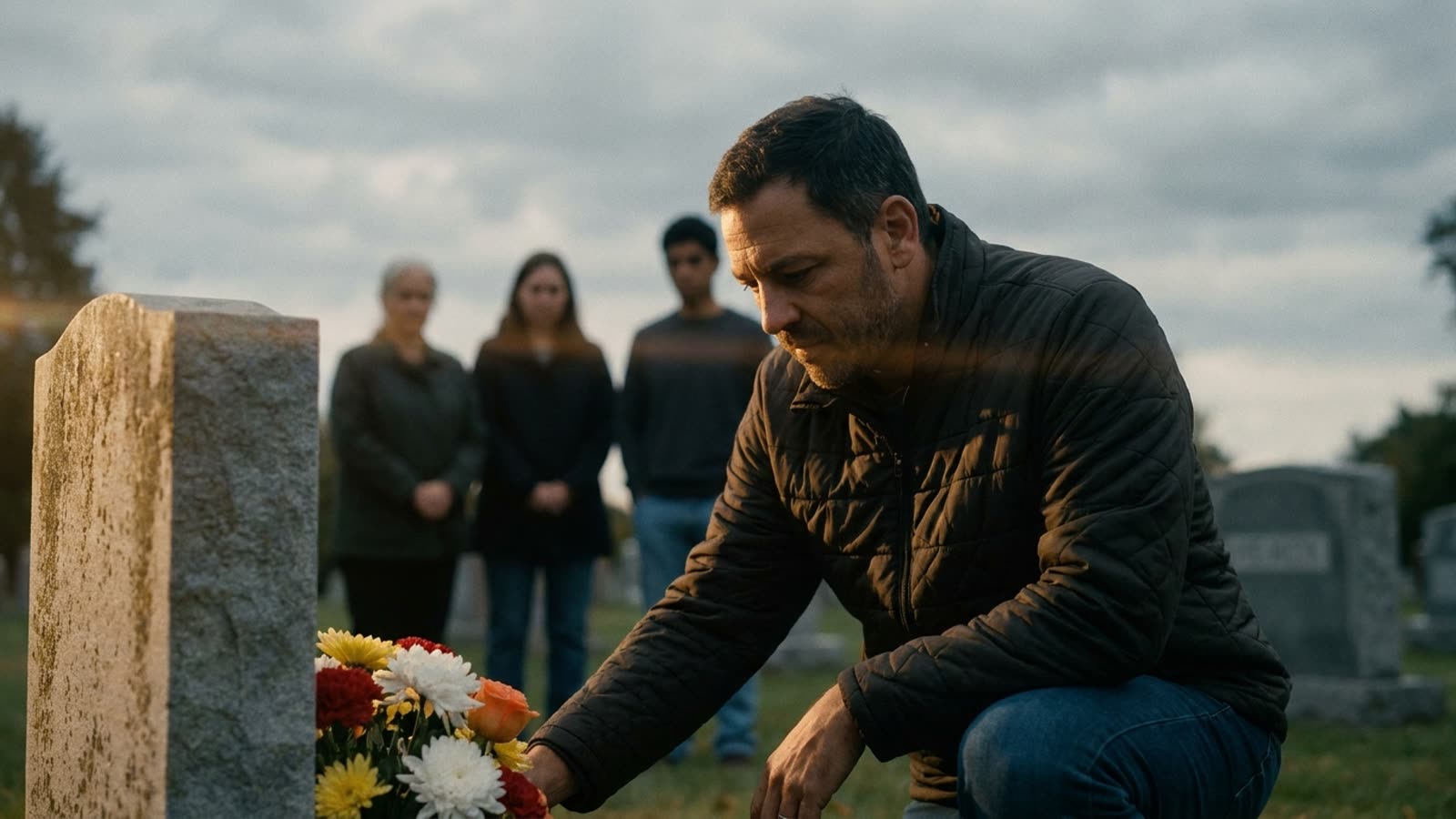
Grief has a way of clarifying what matters in motorsport, and on Sunday night at Charlotte Motor Speedway, Daniel Suárez drove 600 miles with unusual purpose. His victory in NASCAR's longest race was not merely a career highlight for the 34-year-old Mexican driver—it was an act of commemoration for Kyle Busch, whose death from pneumonia complications earlier this month left Trackhouse Racing and the entire paddock reeling.
Suárez crossed the finish line, pulled his No. 99 Chevrolet to the tri-oval, and pointed skyward before the tears came. "This one's for Kyle," he said on the team radio, his voice cracking. "We're doing this for Kyle."
A team in mourning finds its footing
Trackhouse Racing has spent the past two weeks operating in a fog. Busch, the two-time Cup Series champion who joined the team in 2023, died on May 11 at 40 years old after a brief illness that stunned a sport accustomed to danger on the track, not in hospital beds. The team considered withdrawing from Charlotte altogether before deciding that racing was the appropriate tribute.
Suárez, who has often played second fiddle to Busch's star power at Trackhouse, responded with the drive of his career. He led 98 laps, survived multiple restarts in the final 50-lap shootout, and held off a charging Kyle Larson by less than half a second. The victory was his fifth career Cup win and his first at Charlotte, a track where Busch won twice.
Team owner Justin Marks was inconsolable in the post-race celebration. "Kyle would have hated all this emotion," Marks said, laughing through tears. "He would have told us to shut up and go faster. So that's what Daniel did."
NASCAR's Memorial Day tradition takes on new weight
The Coca-Cola 600 has always been NASCAR's unofficial tribute to sacrifice, run on Memorial Day weekend with military flyovers and somber pre-race ceremonies. This year, the race's themes of remembrance felt less ceremonial and more immediate. Busch's name was painted on the start-finish line, and drivers across the field wore commemorative helmet decals.
The race itself was a war of attrition befitting the occasion. Temperatures on the track surface exceeded 130 degrees Fahrenheit during the late-afternoon green flag, and the 400-lap marathon claimed its usual victims through mechanical failures and driver exhaustion. But Suárez, who has built his reputation on consistency rather than flash, found another gear when it mattered.
Our take
Motorsport loves a narrative, sometimes to a fault, but Suárez's victory transcends convenient storytelling. He was genuinely close to Busch, having shared a garage and a competitive dynamic that pushed both drivers. That he delivered Trackhouse's biggest win of the season on the weekend the sport honored its fallen feels less like destiny and more like the kind of focused performance that grief can sometimes unlock. NASCAR will move on—it always does—but Sunday night belonged to a driver who understood the assignment.