The NBA's All-NBA selections have always functioned as a census of power—a formal accounting of who matters most in the sport's economy of attention and max contracts. This year's ballot, headlined by Shai Gilgeous-Alexander, Nikola Jokić, and Victor Wembanyama, reads less like an honor roll than a generational transfer of deed.
For the first time since 2003, neither LeBron James nor Kevin Durant appears on the first team. James, now 41, missed the cut entirely after a season defined more by load management than dominance. Durant, still productive but no longer transcendent, slid to the third team—a polite acknowledgment of past greatness rather than present supremacy. The message is unmistakable: the league has moved on.
The new triumvirate
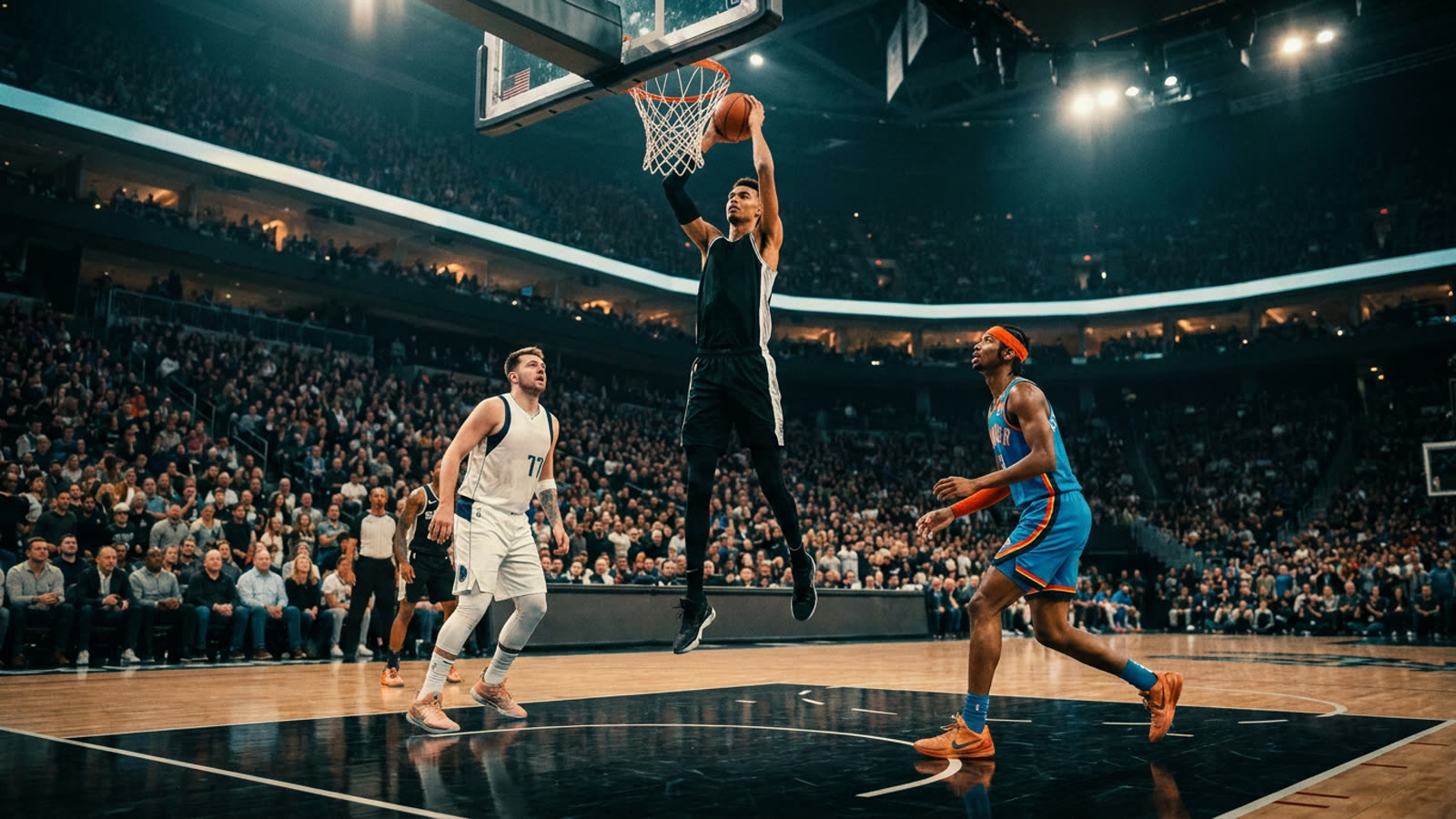
Gilgeous-Alexander's first-team selection was inevitable. The Oklahoma City guard averaged north of 31 points per game while dragging a young Thunder roster into genuine contention, his midrange game now so refined it borders on aesthetic philosophy. Jokić, earning his fourth consecutive first-team nod, continues to play a version of basketball that shouldn't work but does—a 6'11" savant who sees passes three moves ahead and treats scoring as an afterthought. Then there's Wembanyama, the 20-year-old French phenomenon whose second-team selection after just two seasons suggests the voting body is already preparing his coronation.
The three represent distinct archetypes of modern excellence: the self-created scorer, the cerebral orchestrator, and the physical impossibility. What unites them is timing. All three entered the league after the Warriors dynasty peaked, after the Heatles disbanded, after the notion of a single dominant superteam became financially and logistically untenable.
What the ballot means for the money
All-NBA selections aren't merely honorific. They trigger supermax eligibility, influence free-agency leverage, and shape franchise timelines. Gilgeous-Alexander's inclusion locks him into the upper stratosphere of earning potential; Wembanyama's second-team spot at his age virtually guarantees San Antonio will be writing historic checks before he turns 25. For players on the margins—those who missed the third team by a handful of votes—the financial implications run into tens of millions.
The selections also reveal voter consensus about positional value. Guards dominated the first team, while traditional centers continued their relegation to supporting roles unless, like Jokić, they transcend the category entirely. The league's stylistic evolution toward positionless basketball is now reflected in its official honors.
Our take
There's something clarifying about watching a generational handoff happen in real time, without the usual sentimentality that accompanies athletic decline. James and Durant didn't fade into irrelevance—they simply became what they once displaced: respected veterans whose best seasons are now historical reference points rather than ongoing concerns. The NBA's new hierarchy is younger, more international, and unburdened by the superteam logic that defined the previous decade. Whether that produces better basketball remains debatable. That it produces different basketball is already settled.