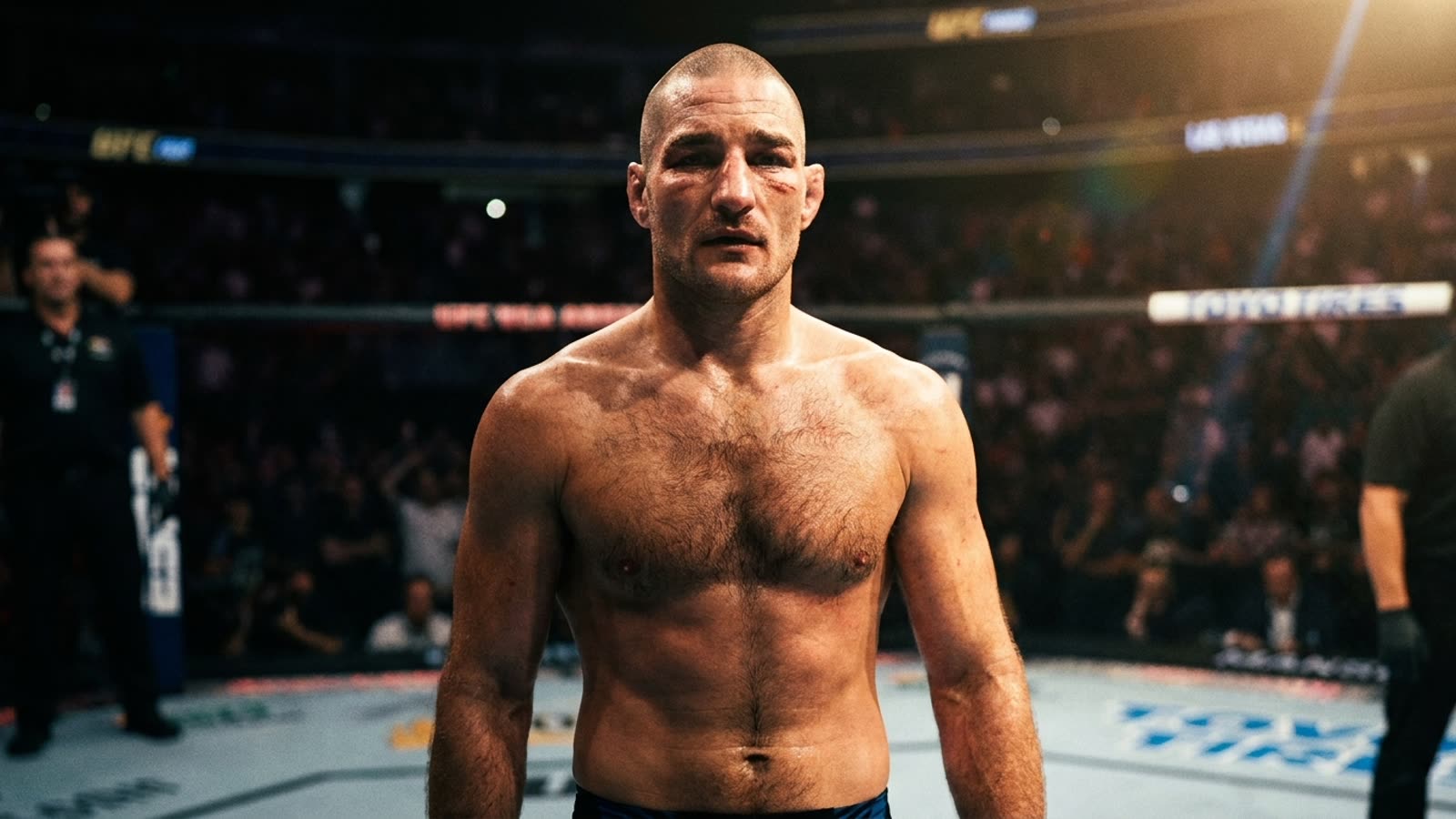
The UFC spent years constructing Khamzat Chimaev as a force of nature—a Chechen-Swedish wrecking ball who mauled opponents so thoroughly that his fights resembled executions more than competitions. On Saturday night in Las Vegas, Sean Strickland dismantled that mythology with nothing but spite, cardio, and an unwillingness to be impressed.
The split decision that handed Strickland the middleweight championship will be debated for months. Two judges saw it his way; one didn't. But the numbers told a clearer story than the scorecards: Strickland outlanded Chimaev, stuffed takedowns that were supposed to be unstoppable, and turned a blood feud into a technical chess match that favored the man everyone had written off.
The end of the Chimaev mystique
Chimaev entered UFC 328 at 14-0, a record that looked less like a career and more like a highlight reel of violence. His previous middleweight outings suggested the division had no answer for his blend of wrestling, power, and sheer physical intimidation. Strickland, a former champion who lost his belt to Dricus Du Plessis and has built a second career as MMA's most reliable provocateur, was cast as the sacrificial veteran—dangerous enough to sell tickets, supposedly not dangerous enough to win.
That narrative collapsed within two rounds. Strickland's footwork neutralized Chimaev's entries. His jab found a home. Most critically, his takedown defense—the aspect of his game most questioned heading in—held firm when it mattered. Chimaev, for the first time in his career, looked mortal. He looked frustrated. He looked like a fighter who had been told his whole career that showing up was enough.
What Strickland represents
Strickland is not a likable champion in any conventional sense. His press conferences veer between deliberately offensive and genuinely uncomfortable. His fighting style is workmanlike rather than spectacular. But there's something clarifying about a fighter who refuses to participate in the promotional machinery that surrounds him. He doesn't play the heel because it sells pay-per-views; he plays it because he appears to genuinely enjoy making people uncomfortable.
That authenticity, paradoxically, made him the perfect foil for Chimaev. The UFC's hype machine had turned Chimaev into a character—the unstoppable immigrant warrior, the man who asked for more fights the way other people ask for coffee. Strickland treated him like just another guy across the cage. No mythology. No reverence. Just 25 minutes of proving that cardio and craft still matter.
Our take
Combat sports need upsets like this to remain interesting. Chimaev may well return, adjust, and dominate again—he's 28 and physically gifted in ways that don't disappear overnight. But the illusion that he was operating on a different plane has been shattered, and that's healthy for a division that had started to feel like a coronation waiting to happen. Strickland, meanwhile, gets to be champion again, which means more press conferences, more controversy, and more opportunities for the UFC to pretend they don't love every minute of it. The sport is better when its champions are complicated. Right now, middleweight has never been more complicated.