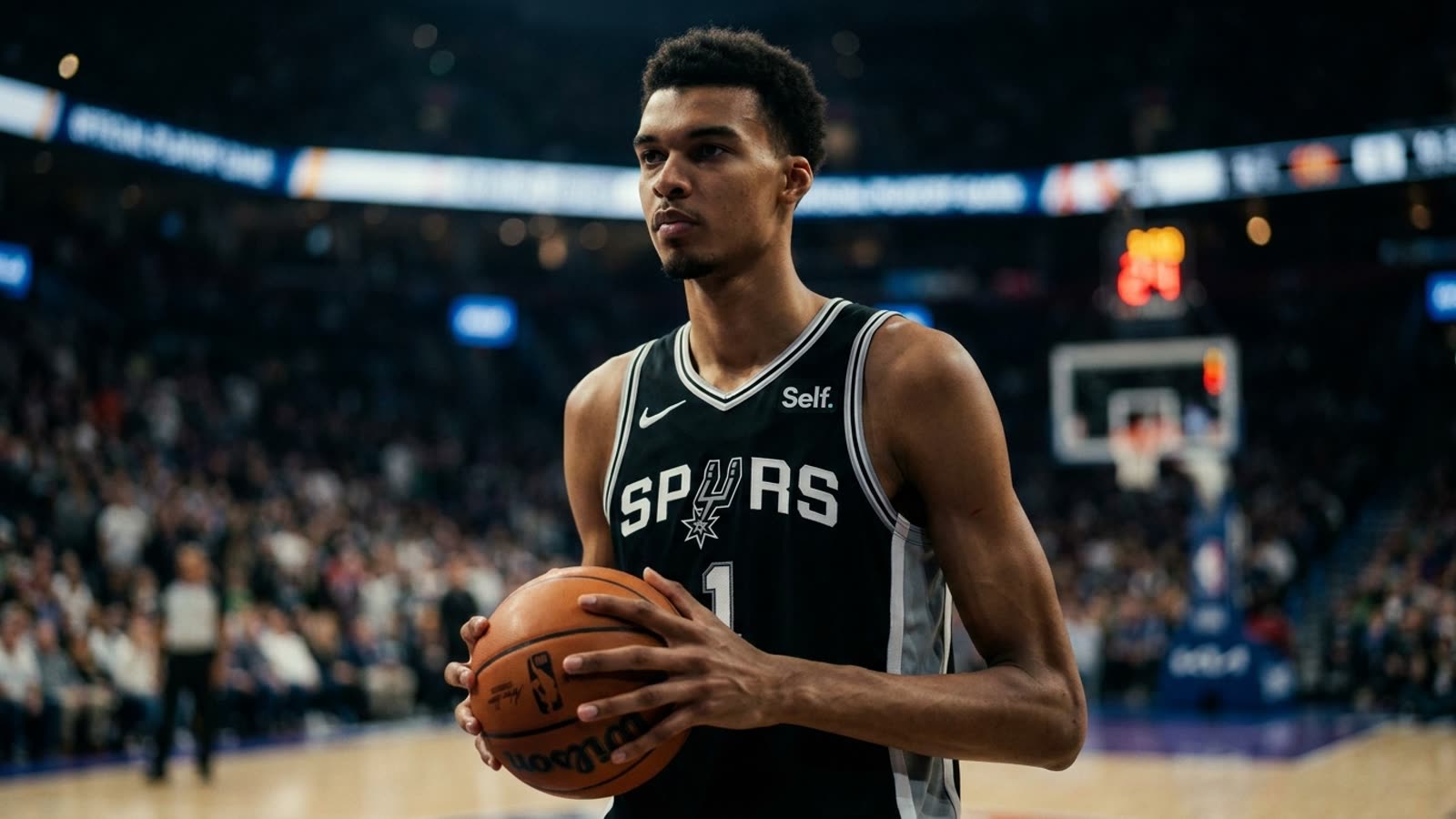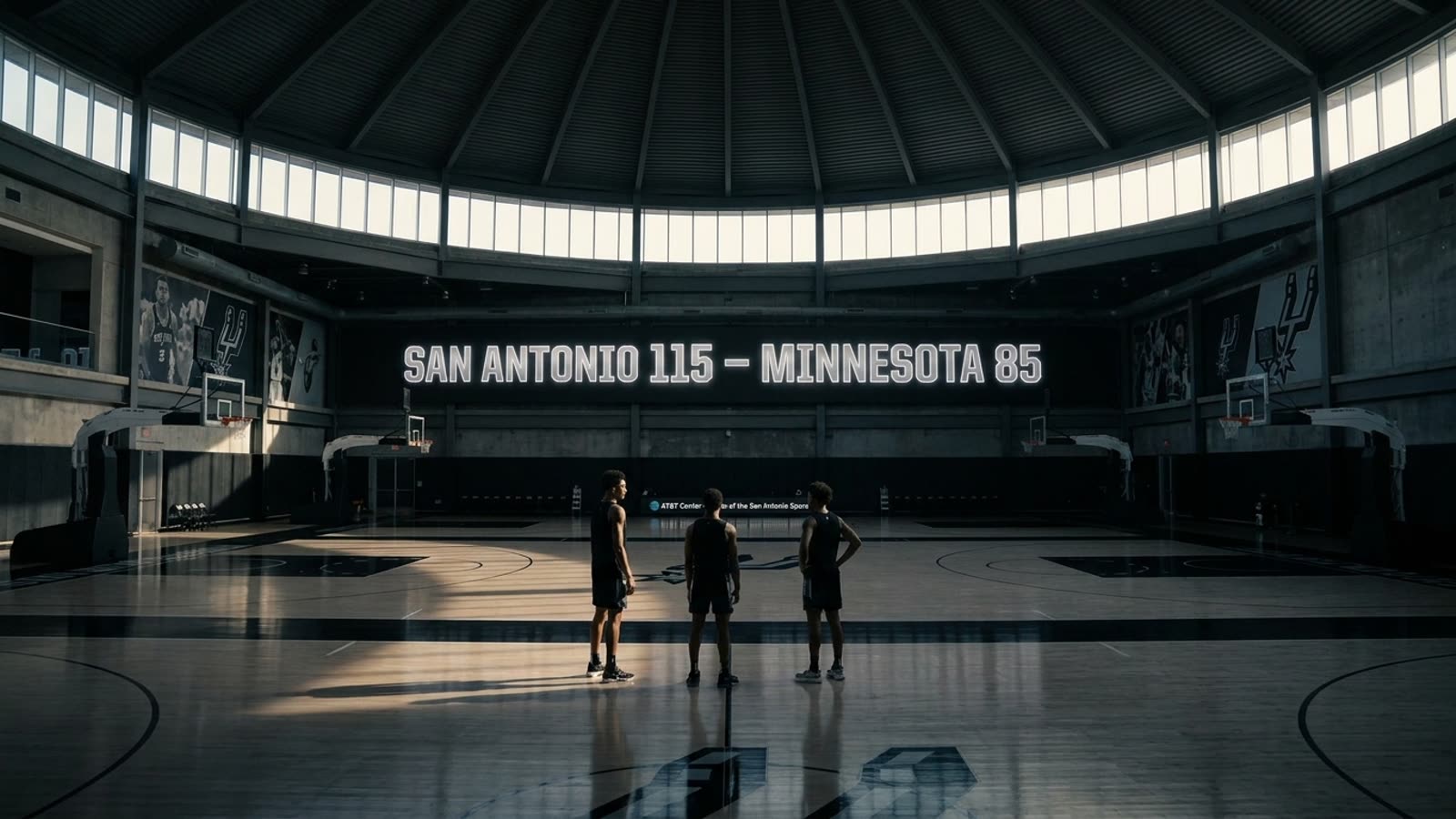
The Minnesota Timberwolves have spent three consecutive postseasons learning the same lesson: talent without timing is just potential. On Sunday night, San Antonio's trio of Stephon Castle, De'Aaron Fox, and Dylan Harper combined for nearly half of the Spurs' 139 points in a series-clinching demolition, and Anthony Edwards walked to the opposing bench to offer congratulations that looked more like a concession speech.
The 139-109 final score flatters Minnesota. By the third quarter, the game had the energy of a preseason exhibition, with Spurs reserves getting extended run and Timberwolves starters staring at the scoreboard like it owed them an explanation.
The architecture of inevitability
San Antonio's rebuild has been so methodical it almost felt boring—until now. Castle, the defensive anchor, Fox, acquired to add veteran playmaking that turned out to be anything but old, and Harper, the rookie who plays like he's been in the league for a decade, form a backcourt that can switch everything and score from anywhere. Their combined age is younger than some NBA players' careers.
What makes the Spurs dangerous isn't just the talent; it's the fit. Head coach Gregg Popovich has constructed a roster where every piece knows its role, and more importantly, accepts it. There's no hierarchy drama, no shots-per-game negotiations. Just basketball.
Minnesota's recurring nightmare
For Edwards, this loss carries a different weight than the previous two playoff exits. At 24, he's entering the phase where "young star" becomes just "star," and stars are judged by October, not April. The Timberwolves have surrounded him with capable players—Karl-Anthony Towns, Rudy Gobert—but capable isn't the same as complementary.
The Western Conference is unforgiving. The Thunder await San Antonio in the conference finals, and behind them lurk the Nuggets, Mavericks, and a Lakers team that refuses to age gracefully. Minnesota's path to a championship isn't closing, but it's certainly not widening.
What Oklahoma City is watching
The Thunder, who dispatched the Nuggets in six games, now face a Spurs team playing with house money and zero pressure. OKC has the regular-season pedigree and the home-court advantage, but San Antonio has momentum and the kind of defensive versatility that makes offensive gameplanning a nightmare.
This series will be a referendum on whether the Thunder's system can handle an opponent that mirrors its own philosophy: young, long, switchable, and utterly unbothered by big moments.
Our take
Edwards tipping his cap to the Spurs bench was the most honest moment of the night. He recognized what everyone watching understood: this wasn't a fluke, and it wasn't close. San Antonio has built something that will be a problem for years, possibly a decade. Minnesota, meanwhile, has to answer uncomfortable questions about whether their core can ever be more than very good. In the Western Conference, very good gets you a polite handshake and an early summer.