Sony's AI doctrine, unveiled this week by both the parent company and PlayStation leadership, sounds almost quaint in an industry racing to automate everything: human creativity must remain at the center. But beneath the corporate humanism lies a calculated bet that restraint will prove more valuable than speed.
The timing is deliberate. As tariffs squeeze hardware margins and a memory shortage threatens console production, Sony is repositioning AI not as a cost-cutting tool but as a creative amplifier—one that happens to require the kind of proprietary content libraries and first-party studio talent that competitors cannot easily replicate.
The doctrine in practice
PlayStation's approach treats AI as infrastructure rather than product. Internal tools assist developers with asset creation, dialogue testing, and procedural generation, but the company has drawn explicit limits: no AI-generated narratives shipping as final content, no replacement of voice actors or motion-capture performers in flagship titles. The message to Sony's creative workforce is unmistakable—your jobs are safe, for now, because your irreplaceability is the strategy.
This stands in contrast to the broader games industry, where layoffs have accelerated even as studios experiment with generative tools. Sony is gambling that players will eventually distinguish between AI-assisted craftsmanship and AI-manufactured content, and that the former will command a premium.
Hardware realities
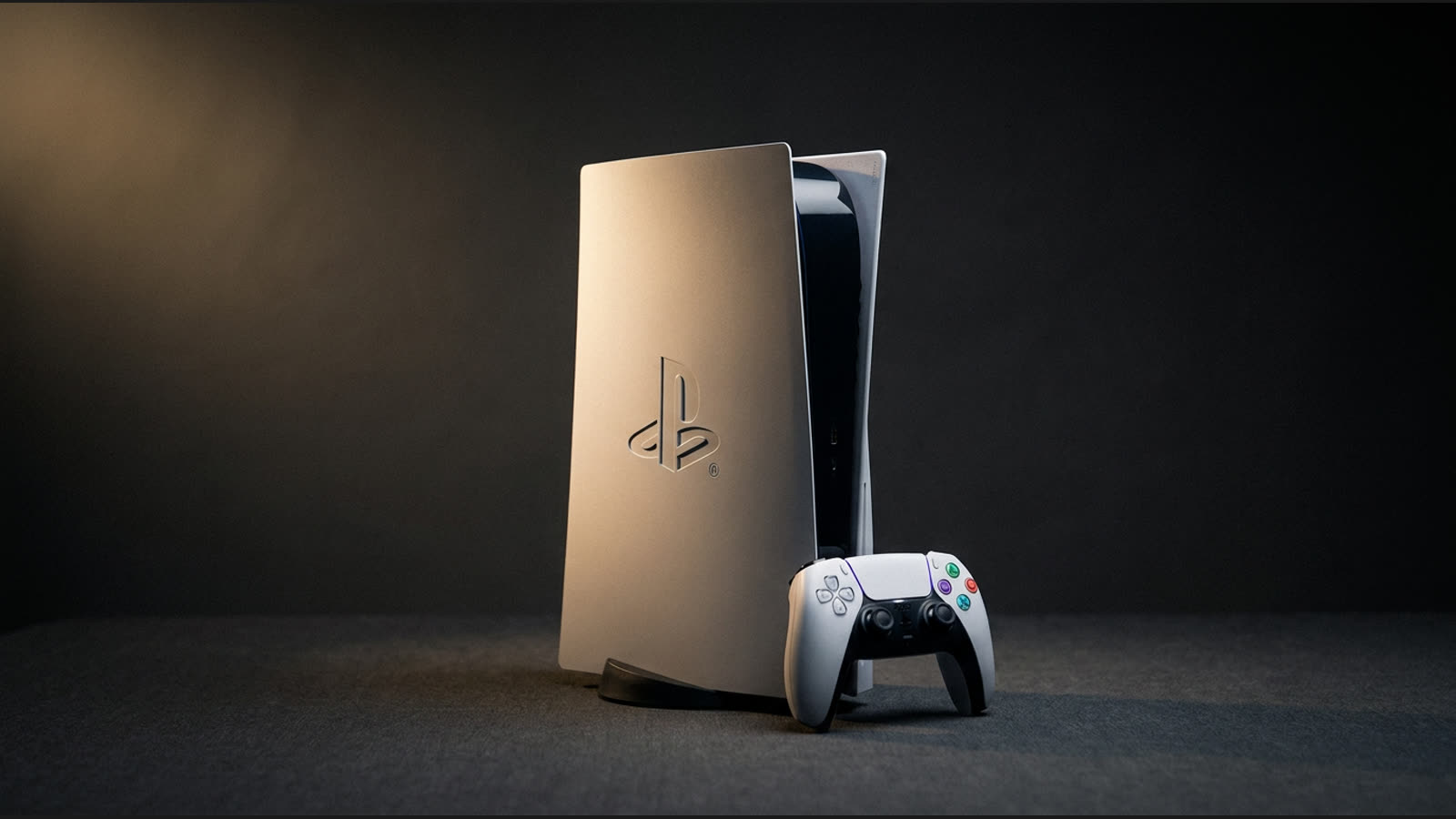
The philosophical stance conveniently aligns with Sony's supply-chain vulnerabilities. A memory crunch makes it harder to embed the kind of on-device AI that rivals are promising; tariffs make every component dollar precious. By framing AI as a back-end creative tool rather than a consumer-facing feature, Sony sidesteps the arms race for local inference chips while protecting margins on the PS5 Pro and its inevitable successor.
It also buys time. Sony's semiconductor division is investing heavily in image sensors and specialized chips, but the company remains dependent on external suppliers for the high-bandwidth memory that powers generative models. A human-first philosophy is easier to maintain when the alternative is not yet economically viable.
The talent play
Perhaps the shrewdest element is recruitment. The games industry is hemorrhaging experienced developers to AI startups and tech giants promising equity and novelty. Sony's public commitment to human creativity is a retention pitch dressed as corporate values—a signal to senior designers, writers, and directors that their expertise will not be optimized away.
Whether this holds under shareholder pressure is another question. Sony's entertainment divisions have historically enjoyed unusual autonomy, but a prolonged hardware slump or a competitor's AI-powered hit could test the doctrine quickly.
Our take
Sony is not rejecting AI; it is rejecting the idea that AI should be the story. In an industry addicted to hype cycles, that distinction may prove more durable than any technical advantage. The risk is that restraint looks like complacency if Microsoft or Tencent ship something transformative first. But Sony has always been a company that wins on taste rather than speed—and taste, for now, remains stubbornly human.