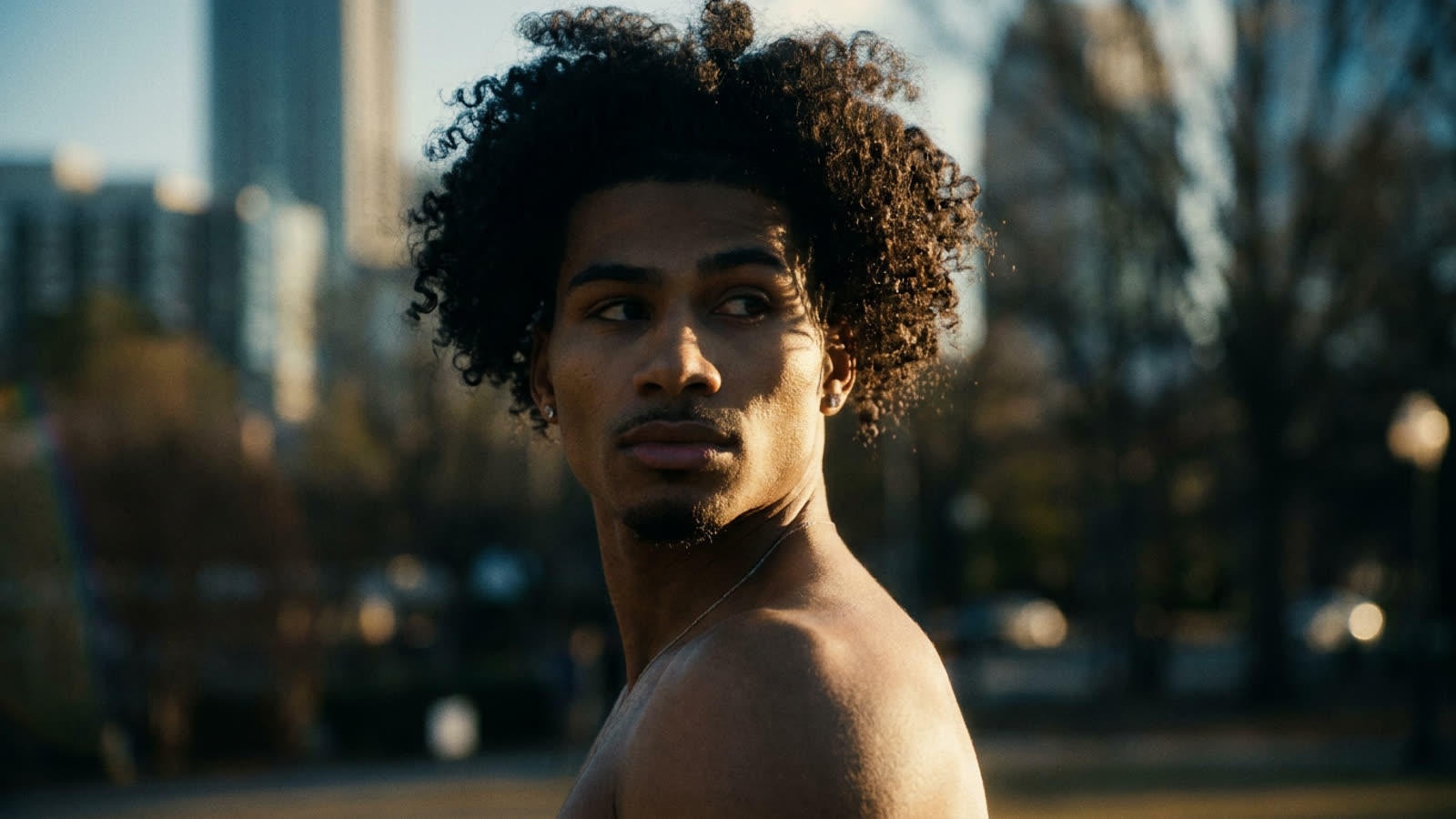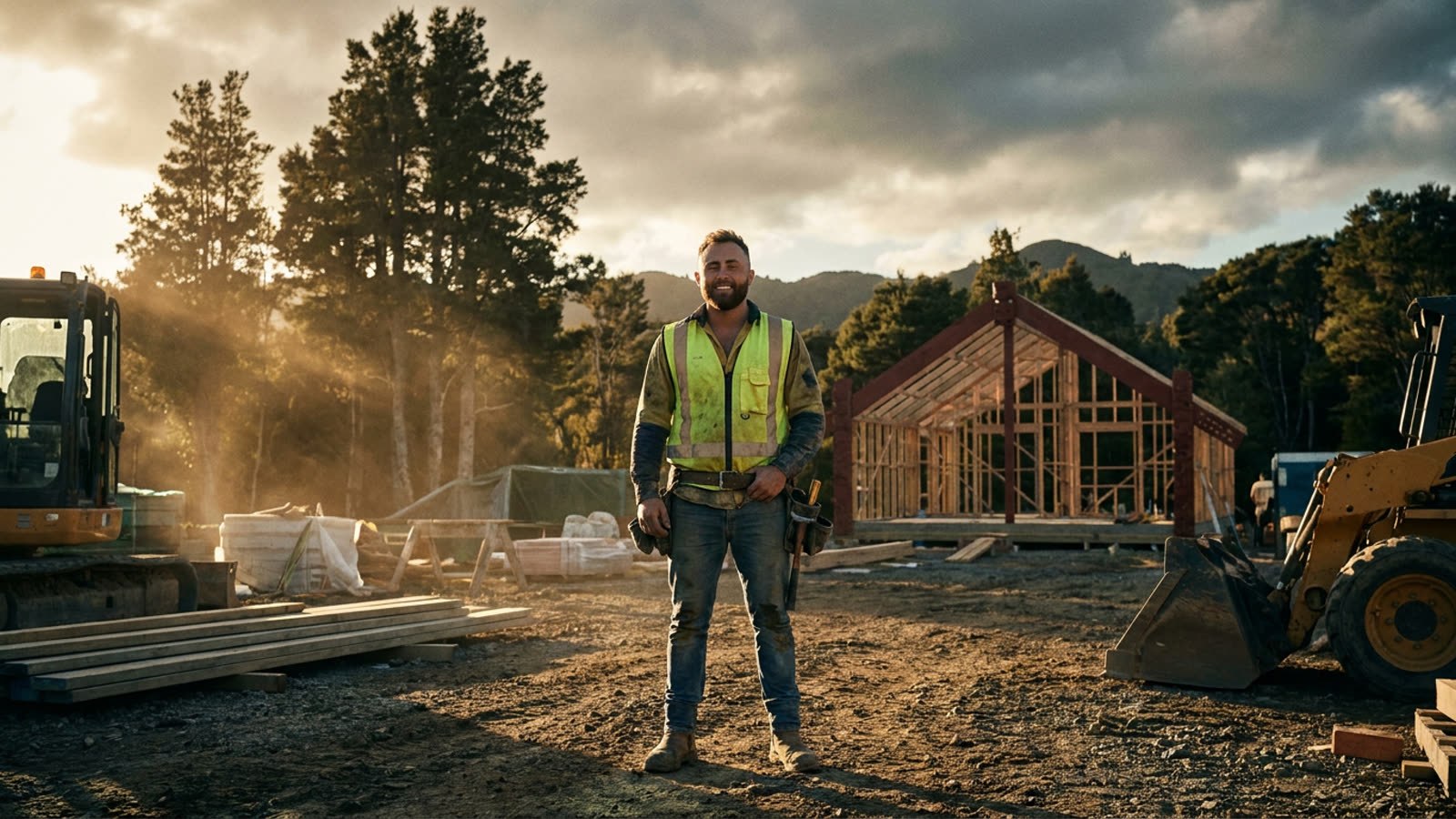
In an era when reality television has calcified into predictable archetypes—the villain edit, the underdog arc, the surprise showmance—Jordan Ngatikaura has done something genuinely rare: he's become famous for being himself.
The 28-year-old builder from Auckland has emerged as the breakout star of Stranded Love on the Marae Wilderness (SLOMW), the Māori-produced dating competition that has quietly become one of the most-watched unscripted series on streaming platforms across Australasia. Ngatikaura's appeal is difficult to reduce to a single quality. He's funny without being cruel, emotionally available without being performative, and possesses the kind of unforced charisma that makes casting directors weep with gratitude.
The anti-influencer playbook
What distinguishes Ngatikaura from the parade of abs-and-teeth contestants who populate most dating shows is his apparent indifference to the influencer economy that typically motivates reality TV participation. He has no skincare line in development, no podcast deal announced, no evident interest in leveraging his fifteen minutes into a lifestyle brand. His Instagram following has exploded, but his content remains stubbornly unglamorous: job sites, his dog, the occasional rugby match.
This refusal to optimise has, paradoxically, optimised his appeal. Audiences exhausted by the transactional nature of modern celebrity have found in Ngatikaura something that feels, if not entirely authentic, then at least authentically uncalculated.
Cultural export, cultural moment
SLOMW itself represents a broader shift in reality programming. The show, which weaves te reo Māori language and tikanga (customs) throughout its format, has demonstrated that culturally specific content can travel internationally without diluting its distinctiveness. Ngatikaura, who speaks te reo and has discussed his iwi (tribal) connections on camera, has become an unlikely ambassador for Māori culture to global audiences who might otherwise never encounter it.
The show's production company has reportedly fielded interest from American networks seeking format rights, though purists worry that any adaptation would strip away precisely what makes the original compelling.
Our take
Jordan Ngatikaura may or may not parlay this moment into lasting fame—reality TV stardom is notoriously fickle, and the graveyard of forgotten fan favourites is vast. But his emergence suggests that audiences, despite all evidence to the contrary, haven't entirely lost their appetite for sincerity. In a medium defined by its artifice, the man who refuses to perform is, inevitably, giving the best performance of all.