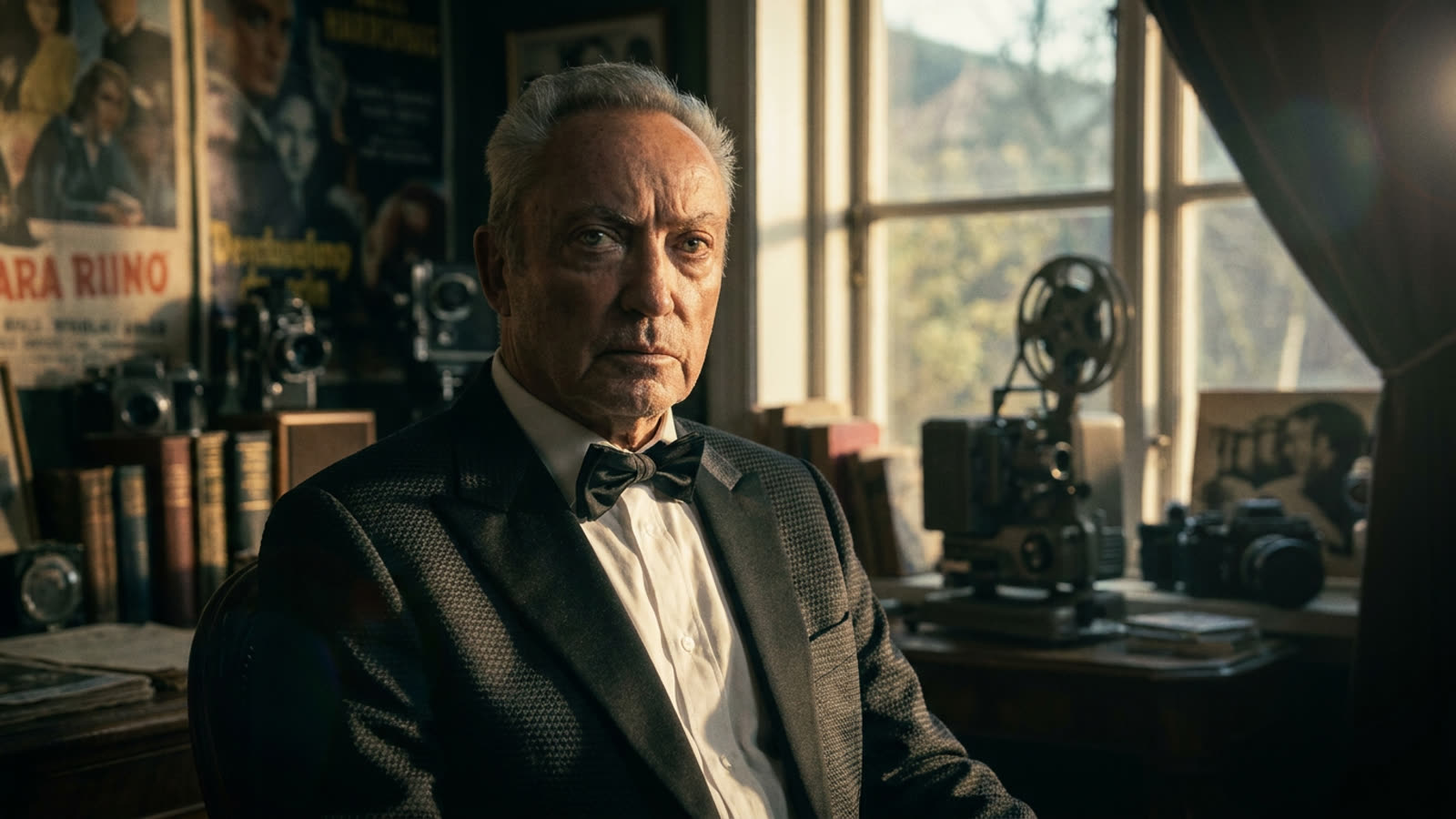
Udo Kier spent six decades proving that the line between prestige cinema and gleeful trash is thinner than auteurs like to admit. The German actor, who died this week at 81, appeared in over 200 films—a number that sounds like a typo until you consider that he treated every role, from Andy Warhol's Dracula to a henchman in Ace Ventura: Pet Detective, with the same unsettling intensity.
His death marks the end of an era for a particular kind of European character actor: one who could move between Lars von Trier's Dogme 95 experiments and direct-to-video schlock without ever condescending to either. Kier understood something most actors refuse to accept—that cinema's margins are often more interesting than its center.
The Warhol years and the art of the unironic villain
Kier's career began in the Factory orbit, starring in Paul Morrissey's Flesh for Frankenstein and Blood for Dracula in 1974. These were not respectable films by any measure of the time, but Kier played them straight, lending his gaunt features and unplaceable accent to monsters who seemed genuinely wounded by their monstrousness. It was a template he would refine for decades: the villain who believes himself the hero of his own story.
This quality made him catnip for directors who wanted menace without camp. Dario Argento, Gus Van Sant, and von Trier all came calling. In Melancholia, Kier plays a wedding planner whose fastidiousness becomes cosmic in the face of planetary annihilation—a small role that somehow captures the film's entire thesis about human absurdity.
The American detour
Hollywood's use of Kier was predictably reductive. He played Nazis, mad scientists, and assorted Euro-villains with interchangeable motivations. Ace Ventura cast him as a generic antagonist opposite Jim Carrey's manic energy; Blade made him a vampire elder. These were paycheck roles, and Kier cashed the checks without complaint.
But even in these films, something flickered. Kier never winked at the audience, never signaled that he was above the material. This refusal to be ironic gave his Hollywood work a strange dignity. He was the straight man in comedies that didn't deserve one.
Our take
Udo Kier's filmography is a rebuke to the contemporary obsession with curated careers and brand management. He said yes to everything and brought the same commitment to everything he said yes to. In an industry that increasingly rewards actors for being selective, Kier's promiscuity feels almost radical—a reminder that the work itself, not the prestige attached to it, is what endures. Eighty-one years and 200 films later, the man who played Dracula for Warhol and got punched by a rubber dolphin leaves behind something most respectable actors never achieve: a body of work that is genuinely, unironically fun to explore.