A professional sports team donating playoff tickets to community groups sounds like heartwarming corporate citizenship. When that team is doing it specifically to prevent opposing fans from buying those seats, it becomes something else entirely: an admission of defeat before the game even tips off.
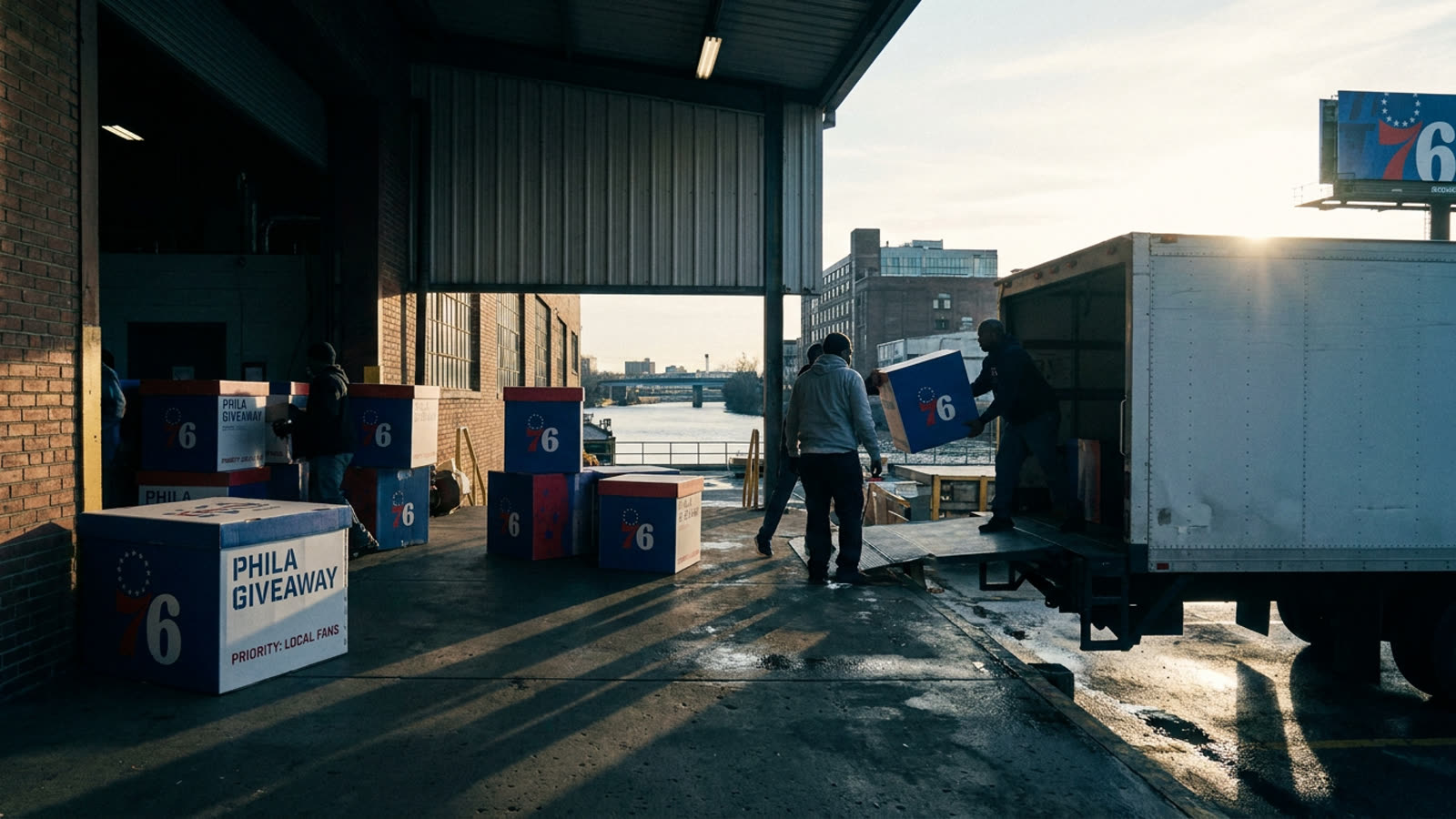
The Philadelphia 76ers announced Friday that they will donate 500 tickets for each remaining home second-round playoff game to local community organizations. The stated goal is to ensure more Philadelphia supporters fill the Wells Fargo Center. The unstated reality is that the franchise has watched Knicks fans colonize their arena for two consecutive games and has no market-based solution to stop it.
The economics of embarrassment
This is not a new problem for Philadelphia. Knicks fans have been infiltrating the Wells Fargo Center for years, armed with disposable income and the religious fervor that comes from supporting New York's only competent basketball franchise. The secondary market makes this invasion frictionless—a Knicks fan in Manhattan can buy a ticket in Philadelphia faster than they can order dinner.
What makes the 76ers' response remarkable is its tacit acknowledgment that demand for their own playoff product cannot compete with New York's traveling army. In a healthy market, a team facing a hostile takeover would simply raise prices until equilibrium favored local buyers. Philadelphia cannot do this because the local appetite is not there. The Process, it turns out, did not process into a passionate fanbase willing to pay premium prices to watch a team down 3-0.
The optics problem
Donating tickets to community groups is, on paper, a defensible PR move. These organizations will presumably distribute seats to young fans, underserved communities, and civic groups who might not otherwise attend a playoff game. That is genuinely good.
But the 76ers are not doing this because they woke up Friday morning with a philanthropic vision. They are doing it because the alternative—watching their home arena erupt in "Let's go Knicks" chants during an elimination game—is a branding catastrophe. The charity is real; the motivation is damage control.
Our take
There is something almost poignant about a franchise so desperate to manufacture home-court advantage that it has to give away the product. The 76ers have spent a decade asking Philadelphia to trust the process, endure the tanking, and believe that championships would follow. Instead, they are down 3-0 in the second round and begging community centers to please, please fill the seats before New York does. Joel Embiid's window is closing, the front office is in disarray, and now the team cannot even sell out a playoff game to its own fans. The tickets are free, but the cost to the franchise's dignity is considerable.