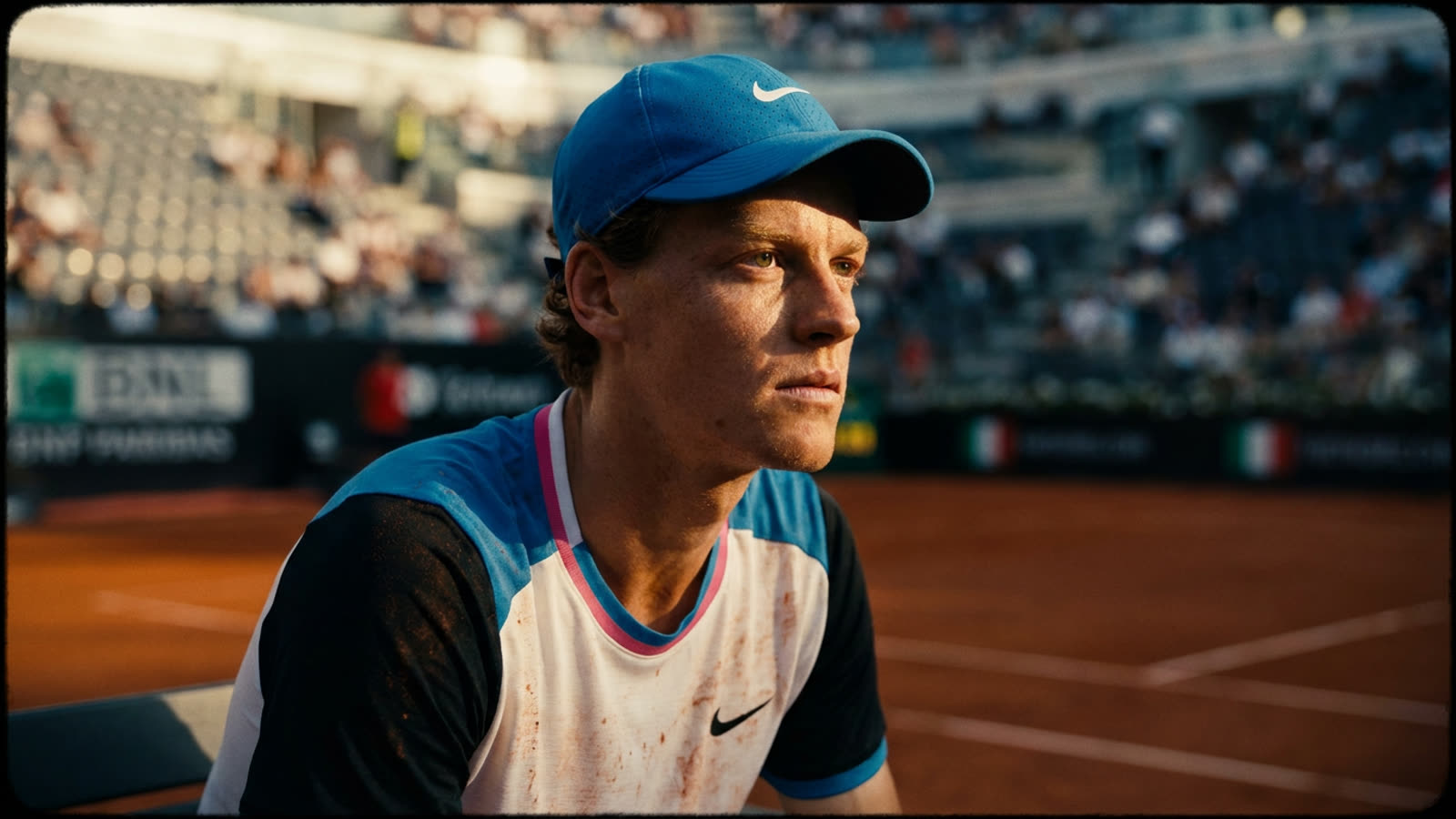
The numbers that define tennis greatness tend to cluster around Grand Slams, but the sport's true grind happens one level below. ATP Masters 1000 tournaments—nine events scattered across four continents, mandatory for top players, brutal on bodies—are where sustained excellence is hardest to fake. Novak Djokovic held the record for consecutive match wins at that tier. As of Thursday in Rome, Jannik Sinner owns it.
The 24-year-old Italian dispatched his quarter-final opponent to extend his Masters winning streak past Djokovic's benchmark, a sequence that now spans multiple tournaments and surfaces. It is not merely that Sinner is winning; it is how he is winning. Opponents are being suffocated by baseline pressure so relentless that rallies feel like foregone conclusions by the fourth ball.
Why Masters matter more than you think
Grand Slam titles remain the currency of legacy debates, but Masters results reveal who can perform week after week against elite fields with no soft draws. Djokovic's original record was accumulated during his most dominant stretch, when he seemed to win Indian Wells, Miami, and the European clay swing almost by default. Sinner surpassing that mark suggests he has entered a similar phase—except he is doing it younger, and with a playing style built for the modern power baseline game rather than Djokovic's defensive sorcery.
The home-court factor
Breaking the record in Rome adds narrative weight. The Foro Italico crowd has adopted Sinner as the first homegrown contender for sustained greatness since the brief Fognini flickers of the 2010s. Unlike the frenetic energy Italian fans once reserved for football, the atmosphere around Sinner is almost reverential—quieter between points, louder after winners, as if the audience understands they are witnessing something historic in real time.
What stands in his way
Two semi-final and potentially final matches remain before Sinner can claim the Rome title and extend the streak further. The draw has not been announced, but the likely opponents include players who have troubled him before. Clay, despite his recent form, is not his best surface; his 2024 Australian Open title came on hard courts. A loss this week would not diminish the record, but it would invite questions about whether his dominance is surface-dependent.
Our take
Records held by Djokovic are not supposed to fall this soon. The Serbian is still active, still dangerous, still accumulating his own milestones. For Sinner to leapfrog him in any category signals a genuine changing of the guard—not a ceremonial one where the old champion graciously steps aside, but a competitive one where the new king simply becomes impossible to stop. Tennis has spent years waiting for the next era. It appears to have arrived, and it speaks Italian.