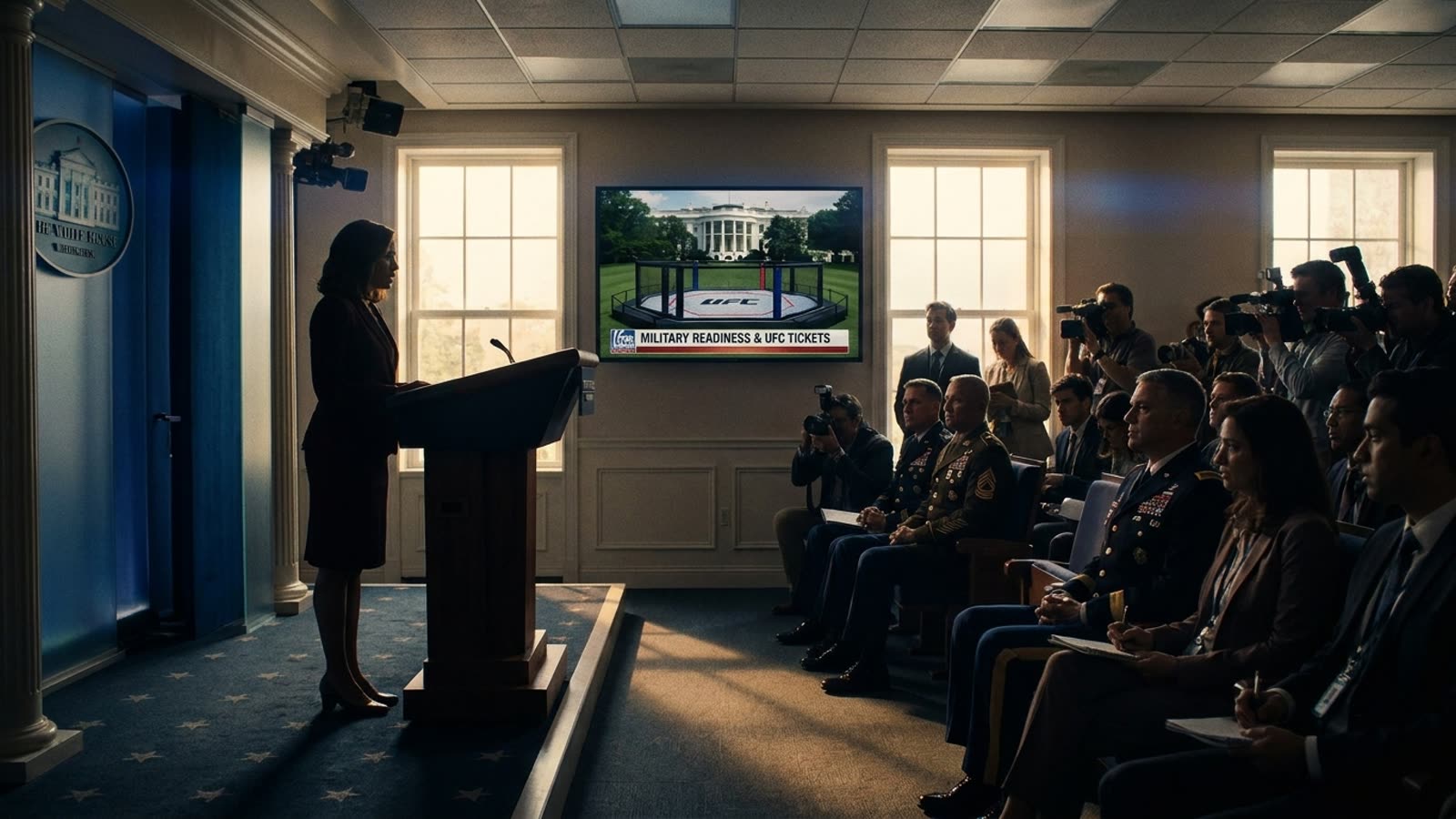
The anti-weaponization fund was always less about protecting persecuted conservatives than about testing how much constitutional erosion Republican senators would tolerate. Now, with the measure stalled by judicial intervention and a knife-edge vote looming, we are about to get an answer.
The fund, which would compensate individuals the administration deems victims of politically motivated federal prosecution, represents something genuinely novel in American governance: an executive-branch mechanism to effectively nullify judicial outcomes the president dislikes. That a federal judge has already halted its implementation suggests the judiciary grasps the stakes even if some legislators prefer not to.
The arithmetic of acquiescence
Senate Republicans hold a narrow majority, and the math is unforgiving. A handful of institutionalist holdouts—the usual suspects who occasionally rediscover their constitutional vocabularies—have expressed reservations. But reservations are cheap currency in this Congress. The question is whether any will convert principle into votes when the whip count tightens.
The White House has made clear that opposition will be remembered. In an era when primary challenges materialize against insufficiently loyal members with startling speed, that threat carries weight. Several senators facing reelection in swing states find themselves calculating whether suburban voters care more about separation of powers or about appearing to abandon a popular president.
What the fund actually does
Stripped of its rhetorical packaging, the anti-weaponization fund creates a parallel compensation system outside congressional appropriations control. The executive branch would determine who qualifies as a victim of weaponization, how much they receive, and from what budgetary sources. This is not oversight reform; it is the construction of a presidential discretionary fund with essentially no legislative guardrails.
The federal judge who issued the preliminary injunction focused precisely on this appropriations question. Congress controls the purse—or it did, until recent years made that principle increasingly theoretical. The fund would accelerate a trend that has already seen emergency declarations and executive actions redirect billions without meaningful legislative input.
Our take
The Senate GOP's dilemma is self-created. Years of treating institutional prerogatives as negotiable when politically convenient left them with few credible defenses when a president decided to test the boundaries. The anti-weaponization fund is not an aberration; it is the logical extension of a decade-long erosion of legislative authority that both parties enabled when it suited them. The senators who vote yes will not be betraying principles they actually hold. They will be confirming what their records already suggest: that the separation of powers is a talking point, not a commitment. Those who vote no will discover whether constitutional fidelity still has a constituency in a Republican primary. The smart money says it does not.