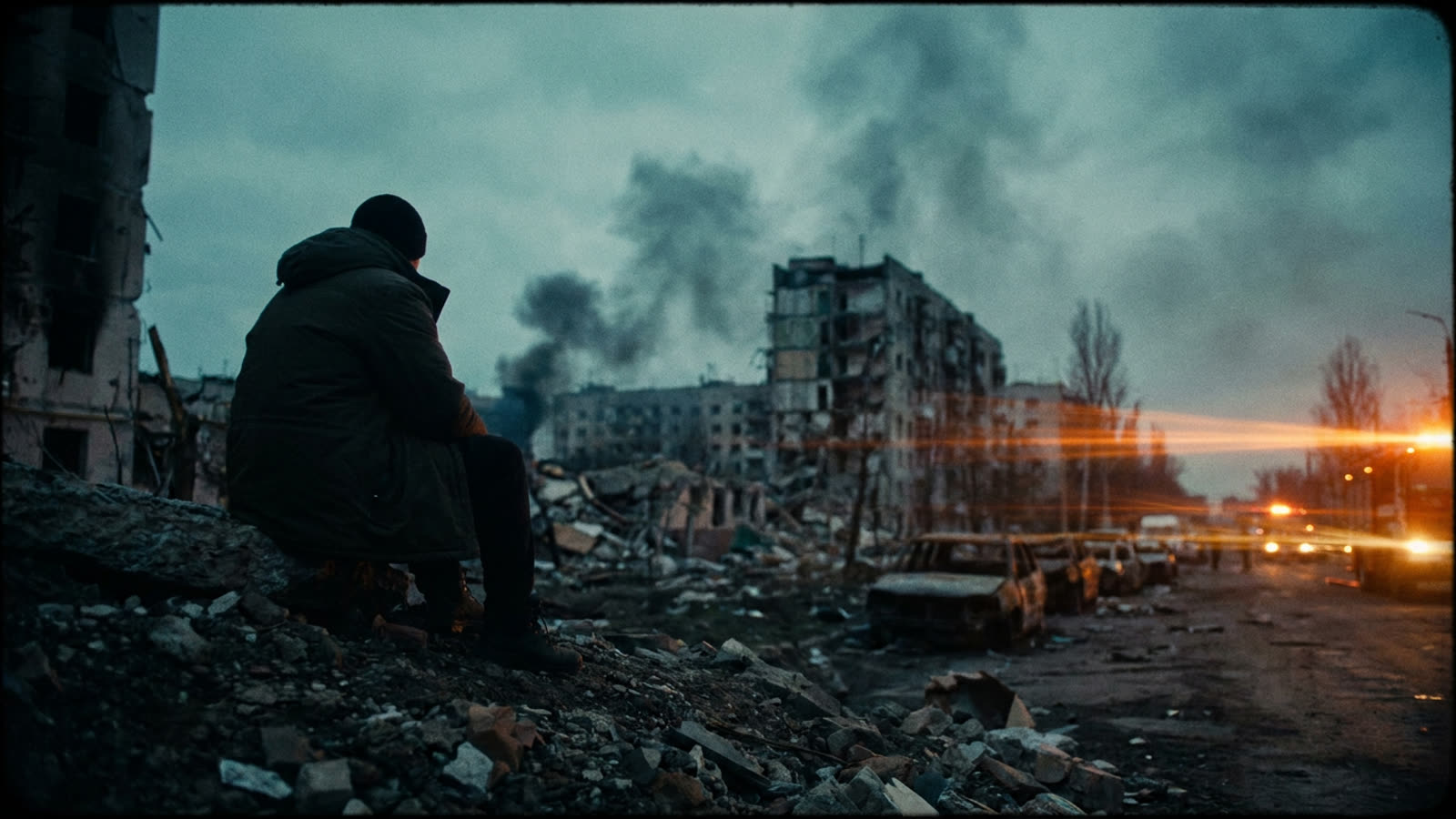
The arithmetic of modern warfare has always been brutal, but Ukraine's current predicament captures something particularly grim: the inverse relationship between suffering inflicted and justice delivered. As Russian missiles struck Kyiv and multiple Ukrainian cities in coordinated attacks this week, the international mechanisms meant to hold Moscow accountable are being systematically defunded by the very power that once championed them.
The Trump administration's cuts to Ukraine aid have extended beyond military hardware and humanitarian relief into territory that receives far less attention: the painstaking, unglamorous work of documenting war crimes. Investigators, forensic specialists, and legal teams building cases for eventual prosecution are watching their funding evaporate even as the evidence mounts.
The documentation deficit
War crimes prosecution is a peculiar enterprise. It requires preserving evidence in real time—satellite imagery, witness testimony, chain-of-custody documentation—while the conflict rages. Skip this work now, and the opportunity vanishes permanently. Mass graves become unmarked fields. Witnesses scatter or die. Digital evidence degrades or disappears.
The International Criminal Court issued an arrest warrant for Vladimir Putin in 2023. Three years later, the practical infrastructure needed to build comprehensive cases against Russian commanders and officials is being hollowed out. American funding supported Ukrainian prosecutors, international forensic teams, and NGOs doing the ground-level documentation that any eventual tribunal would require.
Moscow's calculation
The Kremlin has always bet on Western fatigue. The strategy is not subtle: outlast the attention span of democracies, wait for electoral cycles to produce more sympathetic governments, and trust that the urgency of today's atrocities will fade into tomorrow's diplomatic compromises.
This week's strikes on civilian infrastructure suggest Moscow sees little reason to moderate its conduct. When the prospect of accountability recedes, the incentive structure shifts accordingly. Why exercise restraint when the international community signals, through its budget priorities, that documentation and prosecution are expendable luxuries?
The precedent problem
Beyond Ukraine, the message reverberates. Authoritarian leaders worldwide are watching whether the post-World War II consensus on war crimes—imperfect and inconsistently applied as it has been—retains any practical force. If Russia can wage a grinding war of attrition against a European neighbor while the machinery of international justice rusts from disuse, the lesson is clear enough.
Our take
There is a reasonable debate about the scope and duration of American military aid to Ukraine. There is no reasonable debate about whether documenting war crimes serves American interests. The evidence being gathered today will matter for decades—for historical record, for eventual negotiations, for the basic principle that bombing apartment buildings carries consequences. Cutting this funding saves trivial sums while surrendering something far more valuable: the credible threat that atrocities will be remembered and, eventually, judged.