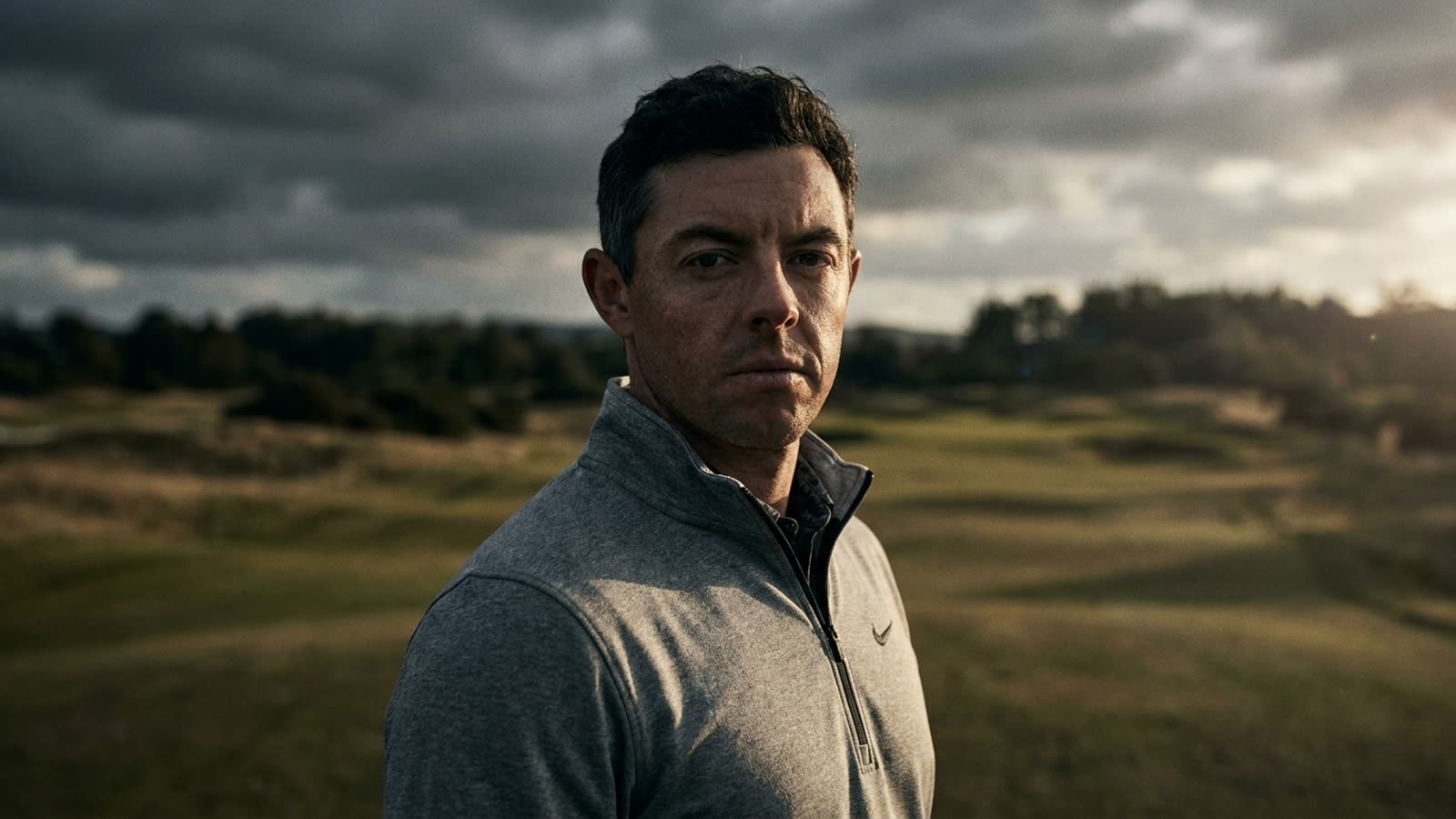
For three years, Rory McIlroy positioned himself as professional golf's moral compass—the man who walked away from nine-figure Saudi money and urged his peers to do the same. Now, in a stunning about-face, the four-time major champion has admitted he was wrong to push the PGA Tour toward its controversial merger with the Public Investment Fund.
The admission, delivered without the usual McIlroy bravado, marks a watershed moment for a sport still struggling to reconcile competitive integrity with sovereign wealth. When McIlroy shifted from LIV antagonist to unification advocate last year, he staked his considerable reputation on the belief that bringing the rebels back into the fold would heal golf's civil war. Instead, the marriage has produced precisely the dysfunction that skeptics predicted.
The architecture of regret
McIlroy's reversal stems from what sources describe as escalating tensions over player governance, scheduling conflicts, and the fundamental question of who controls professional golf's future. The unified structure promised streamlined decision-making; it has delivered boardroom paralysis. Tournament fields remain unbalanced, with legacy PGA players and former LIV defectors still operating under different competitive frameworks. Sponsors, promised clarity, have received chaos.
The Northern Irishman had wagered that integration would dilute Saudi influence over time. The opposite has occurred. PIF's leverage has only grown as the tour's financial dependence on Gulf capital has deepened, leaving players who championed the deal with diminishing say over the sport's direction.
What McIlroy loses
Beyond credibility, McIlroy surrenders the clarity that defined his brand. He was golf's last true believer in meritocracy—the player who insisted that 54-hole shotgun starts and guaranteed contracts would corrode the sport's competitive soul. That argument now rings hollow coming from someone who endorsed the very structure enabling those compromises.
His rivals have noticed. Players who took LIV money and endured McIlroy's public criticism are unlikely to extend grace now that he's admitted the alternative path led nowhere better. The locker room dynamics heading into major season will be fascinating and probably toxic.
Our take
McIlroy deserves modest credit for saying what other merger advocates won't: the deal isn't working. But his mea culpa arrives too late to matter. The PGA Tour sold its independence for financial security, and no amount of retrospective honesty changes that transaction. Golf's future now belongs to Riyadh, and McIlroy—for all his eloquence—helped write the contract.