We are, as a culture, so starved for uncomplicated goodness that a child politely asking a stranger's Ring camera for barbecue has become the most shared clip of the week. The boy—whose name has been wisely kept out of most coverage—approached a neighbor's door, noticed the camera, and with the earnest formality of a tiny diplomat, inquired whether any barbecue might be available. The homeowner, charmed into oblivion, obliged. The internet did the rest.
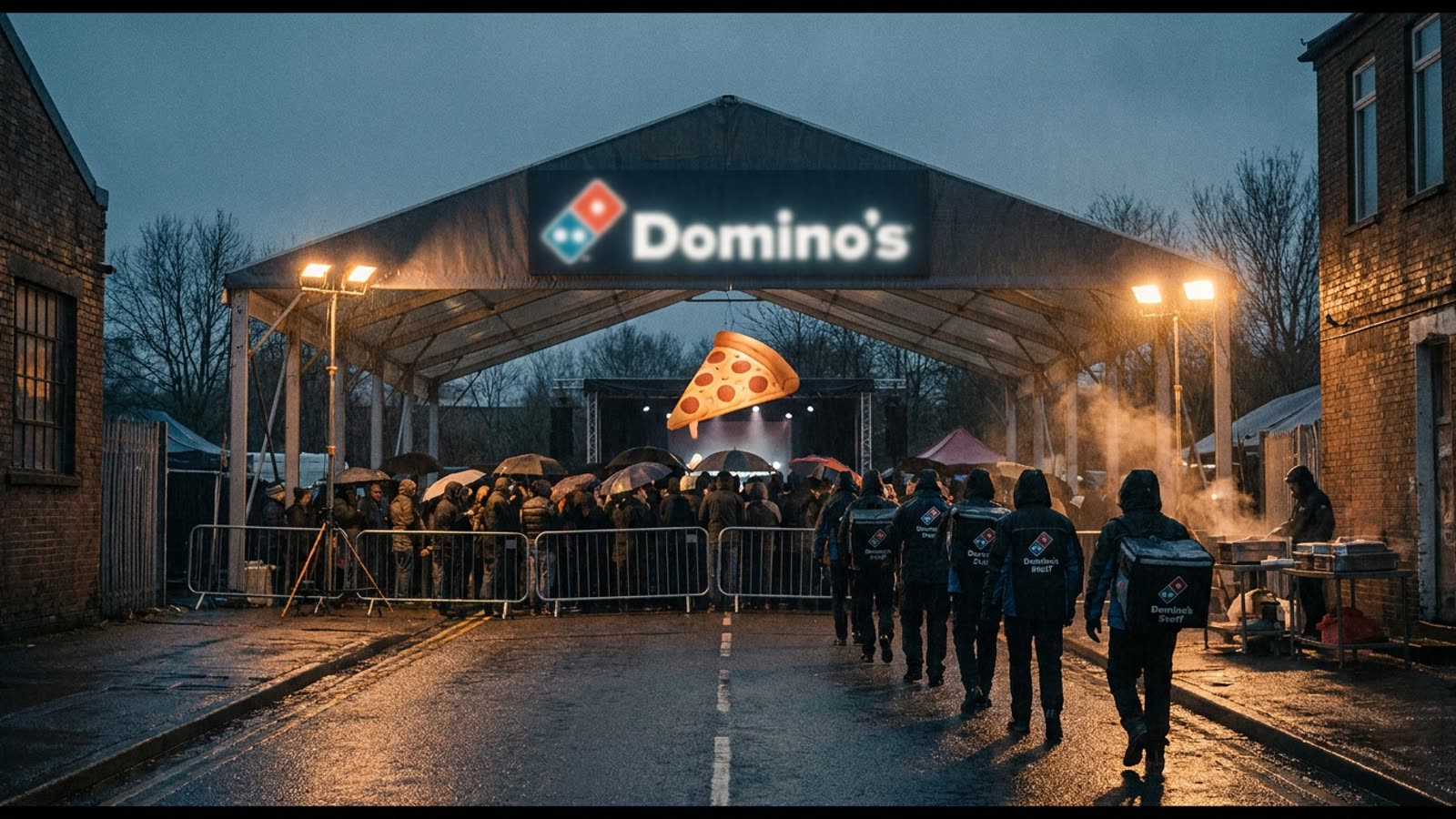
Now a pizza chain has extended a party invitation, because no viral moment of innocence can survive without a brand activation.
The anatomy of a wholesome viral hit
The clip works because it operates on multiple frequencies simultaneously. There's the comedy of a small person treating a surveillance device like a concierge service. There's the nostalgia for a time when children roamed neighborhoods freely, following their noses toward whatever grill was smoking. And there's the genuine sweetness of good manners deployed without calculation—the "please" and "thank you" that parents spend years drilling into children, finally paying dividends on a global stage.
The homeowner's response elevated the moment from cute to cathartic. Instead of ignoring the tiny supplicant or shooing him away with liability concerns, they simply... shared food. The transaction was so human, so uncomplicated by the usual anxieties of stranger interaction, that millions of viewers felt something loosen in their chests.
When brands smell opportunity
The pizza party invitation arrived with the inevitability of a sunset. A child goes viral for being adorable, and within 48 hours, marketing departments across America are drafting press releases. The pizza company in question has positioned the gesture as community celebration rather than customer acquisition, though the distinction matters less than the execution.
This is the 2026 playbook for wholesome content: identify the moment, insert your brand as a generous benefactor, harvest the goodwill. It's not cynical exactly—the child will presumably enjoy his pizza—but it does transform a spontaneous human connection into a sponsored event. The original barbecue, freely given by a neighbor with no audience in mind, becomes a footnote to the corporate follow-up.
The surveillance state's softer side
There's an irony worth noting: the same doorbell cameras that fuel neighborhood paranoia and enable package-theft vigilantism have also become the primary medium for recording moments of grace. The technology designed to catch porch pirates is now equally likely to capture a child's polite hunger or a delivery driver dancing to a customer's wind chimes.
Ring and its competitors have effectively turned American front porches into content studios, and the algorithm doesn't distinguish between threat detection and heartwarming footage. Both drive engagement. Both sell cameras.
Our take
The barbecue boy deserves his pizza party and whatever else comes his way, because he did nothing wrong except be himself in front of a camera. The rest of us might examine why a 30-second clip of basic neighborliness feels so remarkable. We've built a world where a child asking for food and an adult providing it registers as exceptional rather than ordinary. The viral response isn't really about one polite kid—it's about how rarely we encounter unguarded kindness, and how desperately we want more of it.