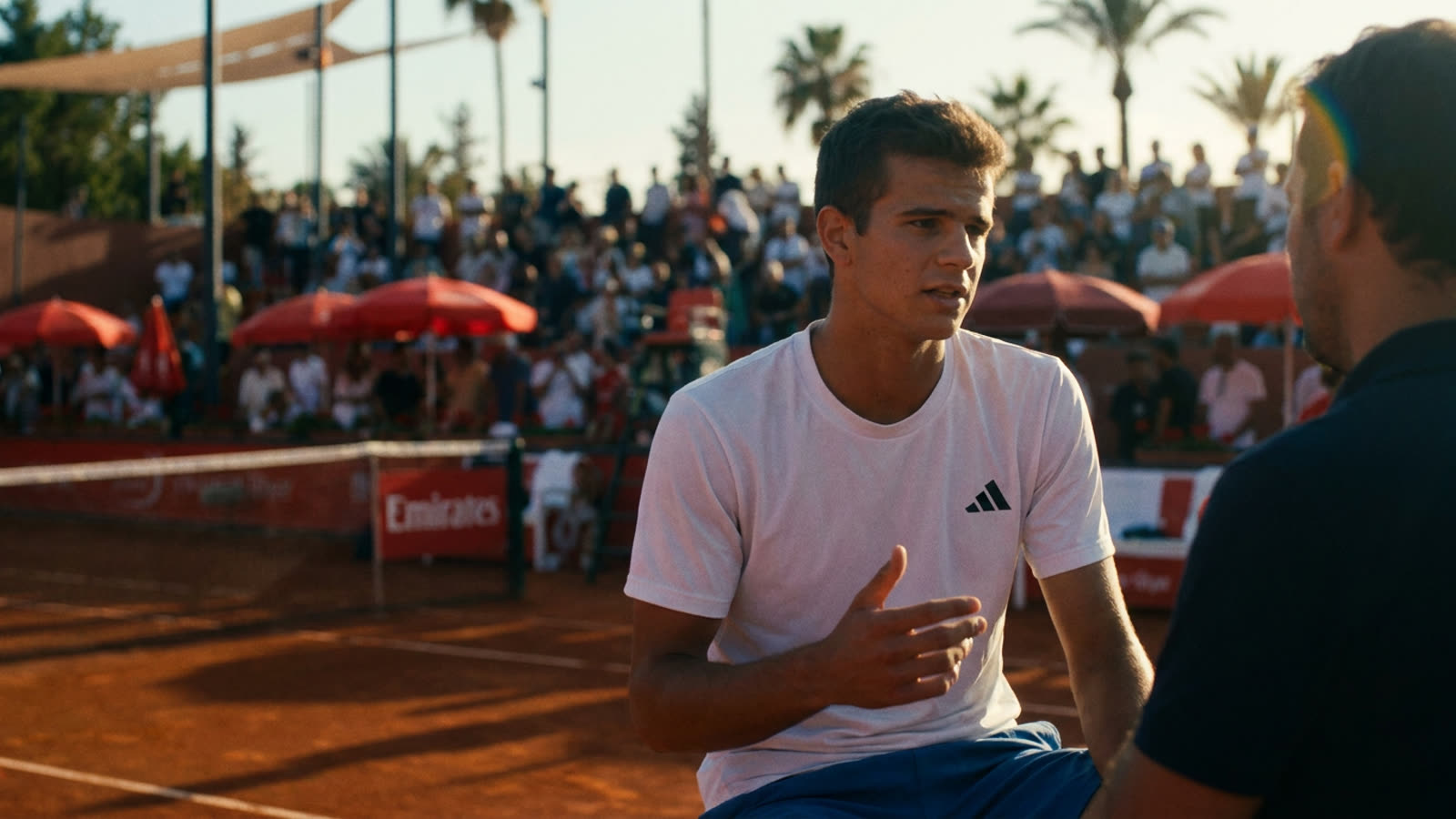
The clip looked damning: a grown man in tennis whites appearing to push a teenage ball girl out of his path during a match, her stumbling slightly as he strode past with apparent indifference. Within hours, Rafael Jodar—a 26-year-old Spanish player ranked outside the top 200—became the sport's newest villain, his mentions flooded with demands for suspension, lifetime bans, and creative suggestions about where he might store his racket.
Then the full video emerged, and the narrative collapsed.
The anatomy of a non-incident
What actually happened at the Challenger-level tournament was considerably more mundane than the cropped footage suggested. Jodar, moving quickly to his position between points, made incidental contact with a ball girl who had stepped into his path—the kind of minor collision that happens dozens of times per tournament when everyone on court is operating on muscle memory. The "stumble" was barely perceptible in the wider angle. The ball girl herself appeared unbothered, immediately resuming her duties.
Jodar took to social media to defend himself, posting the unedited footage and noting that he'd spoken with the ball girl after the match, confirming no harm done. Tournament officials backed his account. The original poster of the viral clip—an account with a history of context-free sports outrage—quietly moved on to the next controversy.
The trial-by-algorithm problem
This is now a familiar pattern: decontextualized footage, immediate moral certainty, belated corrections that reach a fraction of the original audience. Tennis has seen it before—remember when a player's frustrated towel toss became "assault" until the slow-motion replay showed it landing three feet from anyone? The sport's governing bodies have grown accustomed to fielding demands for action based on clips that wouldn't survive five minutes of actual review.
The Jodar incident is particularly instructive because it involved a player with almost no public profile. He had no reservoir of goodwill, no PR team capable of rapid response, no blue-check defenders. He was simply a working professional one bad edit away from career damage, saved only by the existence of additional camera angles.
Our take
The instinct to protect ball kids—often teenagers volunteering for the privilege of proximity to professional tennis—is admirable. But that instinct becomes corrosive when it's weaponized by engagement-farming accounts that know outrage travels faster than truth. Jodar deserves more than the grudging "well, I guess he didn't do it" that passes for exoneration in the attention economy. He deserves an internet that watches the whole video before reaching for the pitchfork. We are not holding our breath.