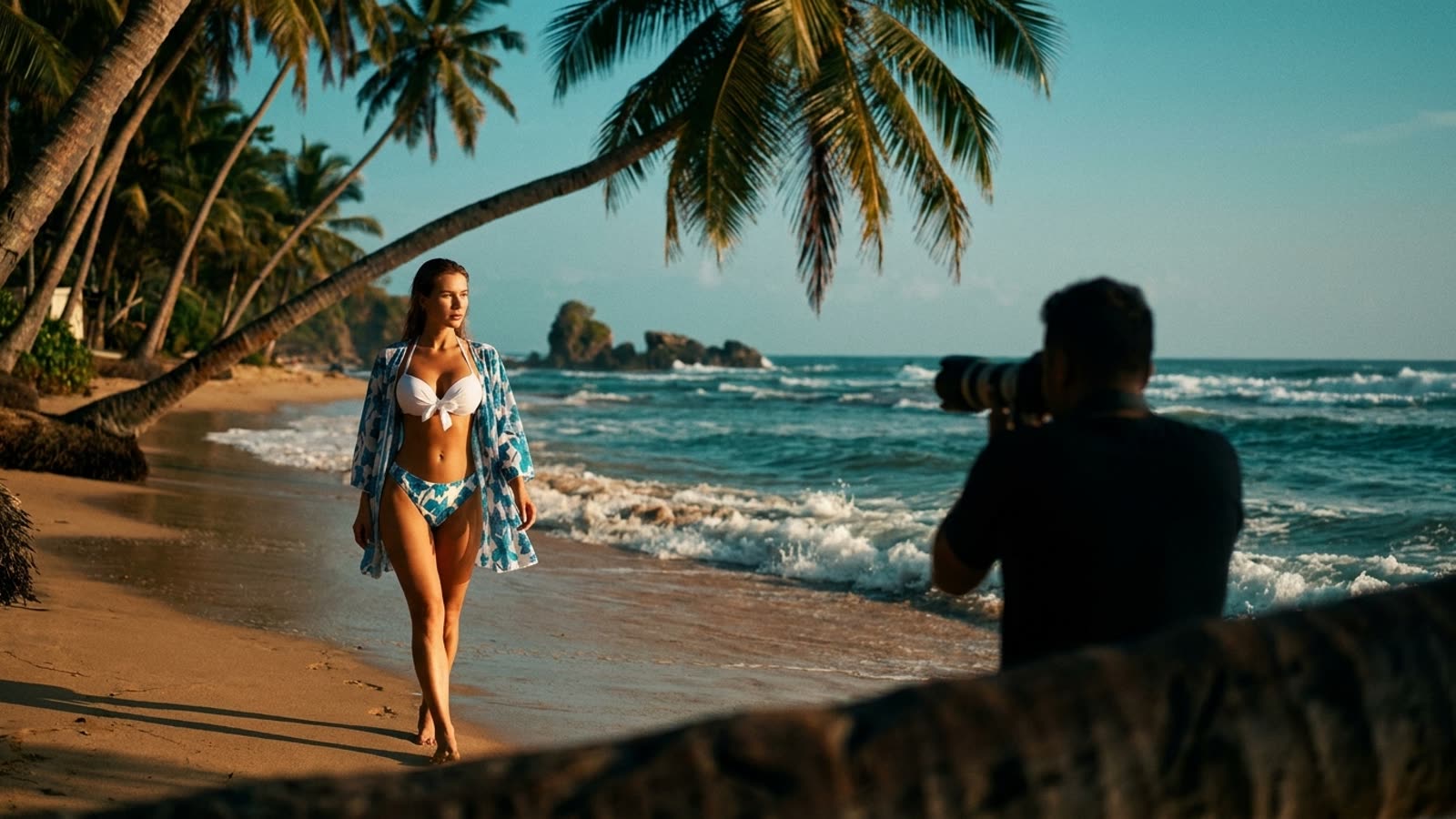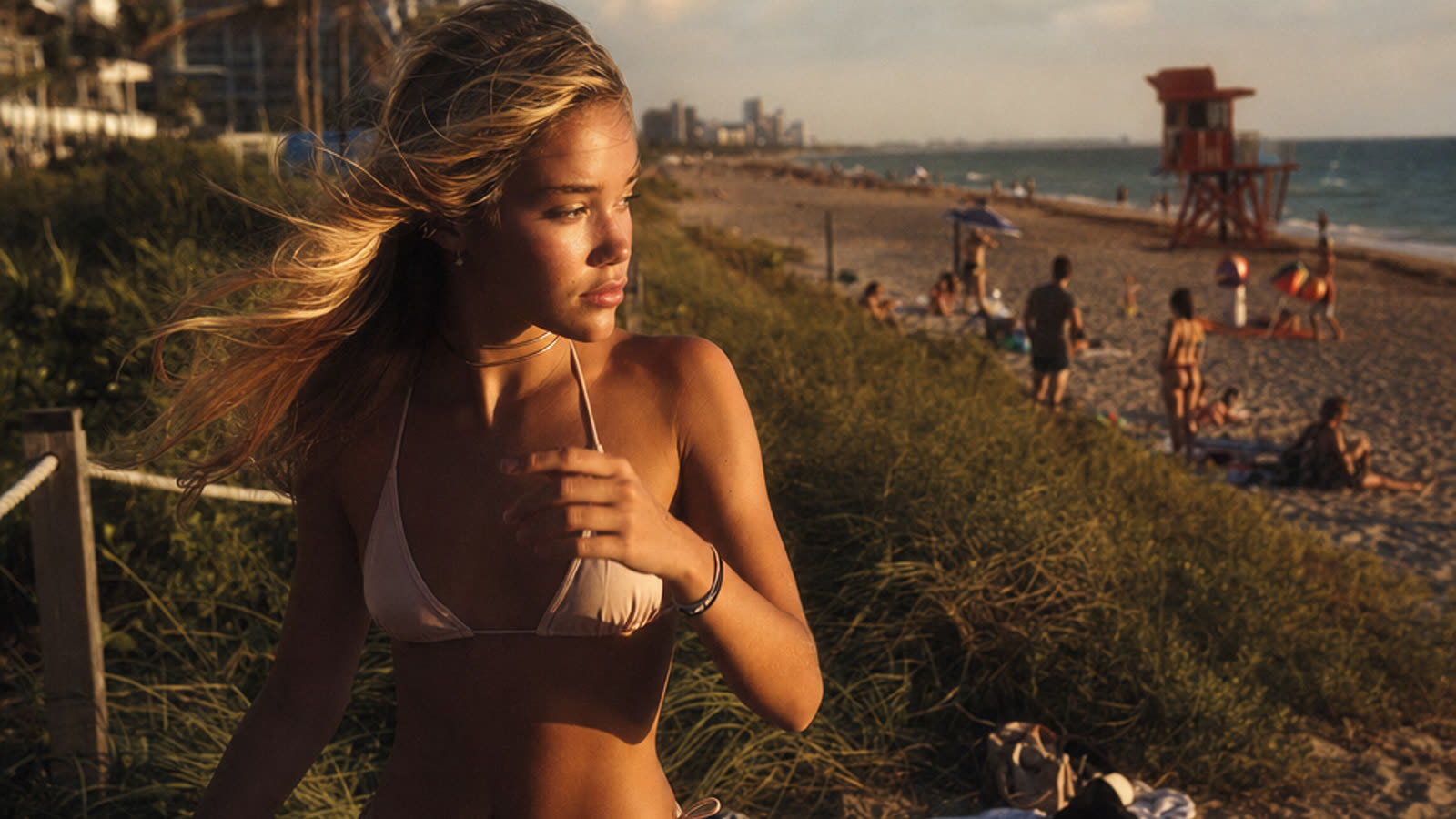
The economics of attention have never been more nakedly transactional than they are in 2026, and Olivia Ponton understands this better than most fashion executives twice her age. The TikTok-native model, now 22, has spent the past week flooding feeds with a series of green bikini shots that function less as vacation content and more as a masterclass in platform arbitrage.
Ponton's latest images—strategically tagged, algorithmically optimized, released during peak engagement windows—represent the logical endpoint of a decade-long shift in how fashion actually reaches consumers. The traditional pipeline of designer to magazine to consumer has been replaced by something far more direct: creator to phone screen to purchase link.
The metrics that matter
What makes Ponton's approach instructive is its ruthless efficiency. A single bikini post from an influencer of her caliber generates engagement rates that legacy fashion magazines can only dream of. While Vogue's Instagram hovers around 0.5% engagement, top-tier swimwear influencers routinely hit 3-5%. The math is unforgiving: a creator with 8 million followers generating 4% engagement reaches more actively interested eyeballs than a glossy cover story ever could.
The swimwear category has become particularly fertile ground for this model. Unlike haute couture or even ready-to-wear, bikinis occupy a price point accessible enough for impulse purchases and a product category where "try before you buy" has been replaced by "see on someone who looks like my aspirational self." Brands like Frankies Bikinis, Triangl, and Monday Swimwear have built nine-figure businesses almost entirely through influencer partnerships.
The professionalization of thirst
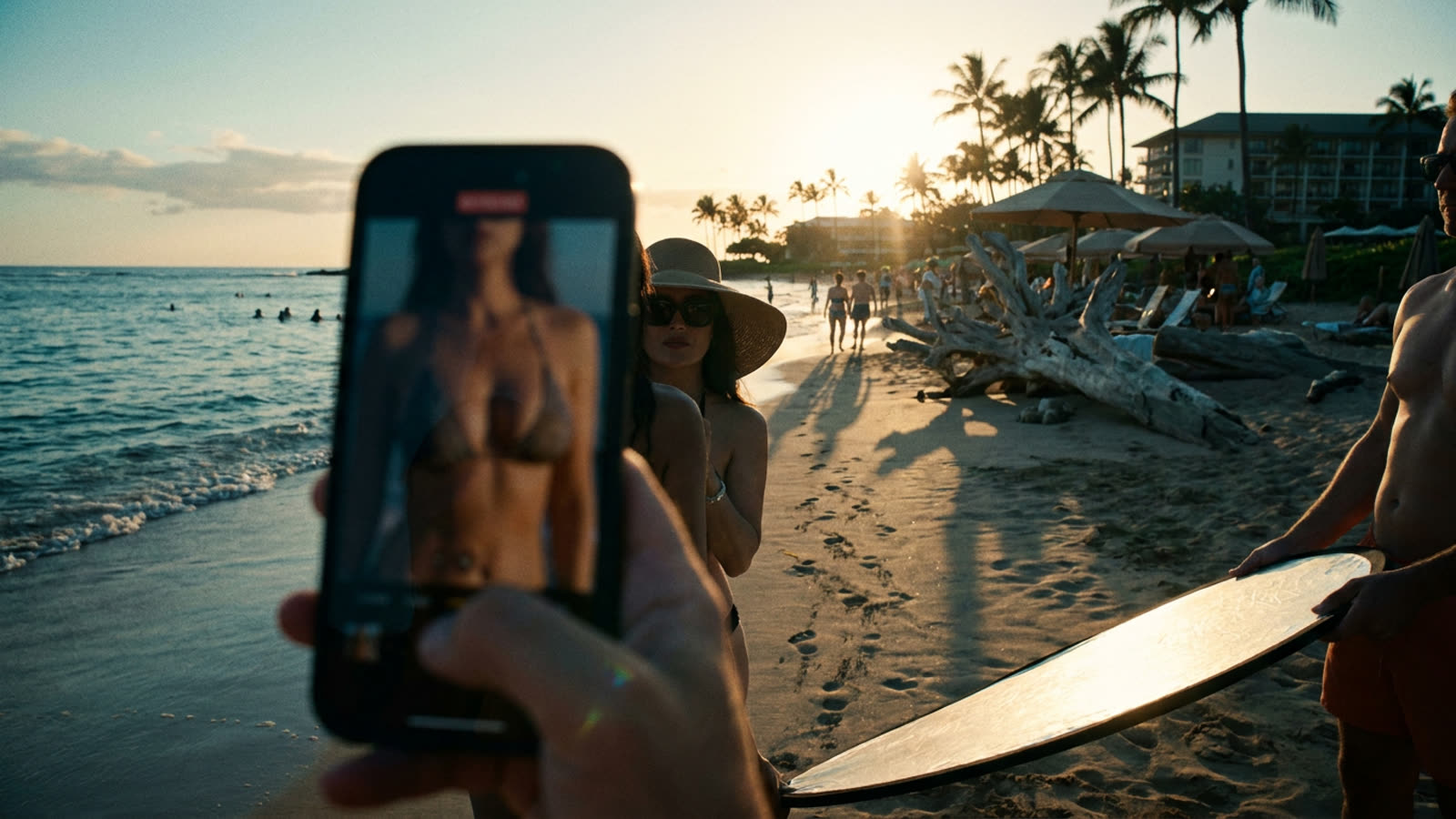
What distinguishes the current generation of swimwear influencers from their predecessors is the degree of business sophistication behind the content. Ponton, who began her career as a competitive swimmer before pivoting to social media, now operates with a team that includes managers, agents, and content strategists. The "casual" beach shot involves lighting considerations, posting schedules calibrated to time zones, and caption copy workshopped for maximum algorithmic favor.
This professionalization has created a curious inversion in the fashion industry. Traditional models increasingly seek influencer-style followings to remain relevant, while influencers like Ponton land campaigns that would have once required years of editorial credibility. The gatekeepers have been routed.
Our take
There is something both admirable and slightly exhausting about the efficiency of it all. Ponton and her cohort have identified a market inefficiency—the gap between what people actually want to see and what fashion's traditional arbiters thought they should want—and exploited it with venture-capital-style precision. Whether this represents democratization or merely a new form of commodification depends largely on your tolerance for watching the sausage get made. Either way, the old rules are not coming back.