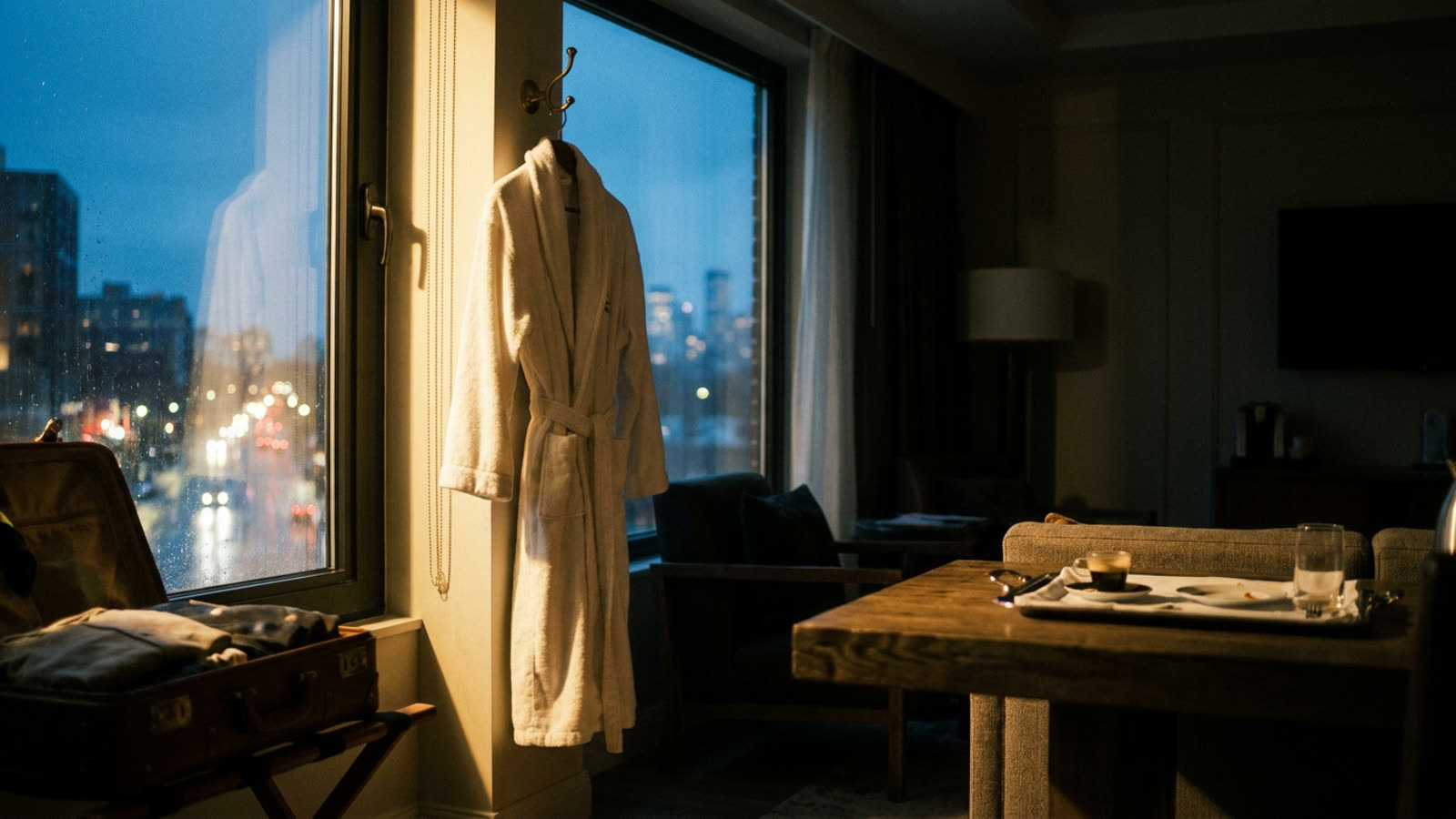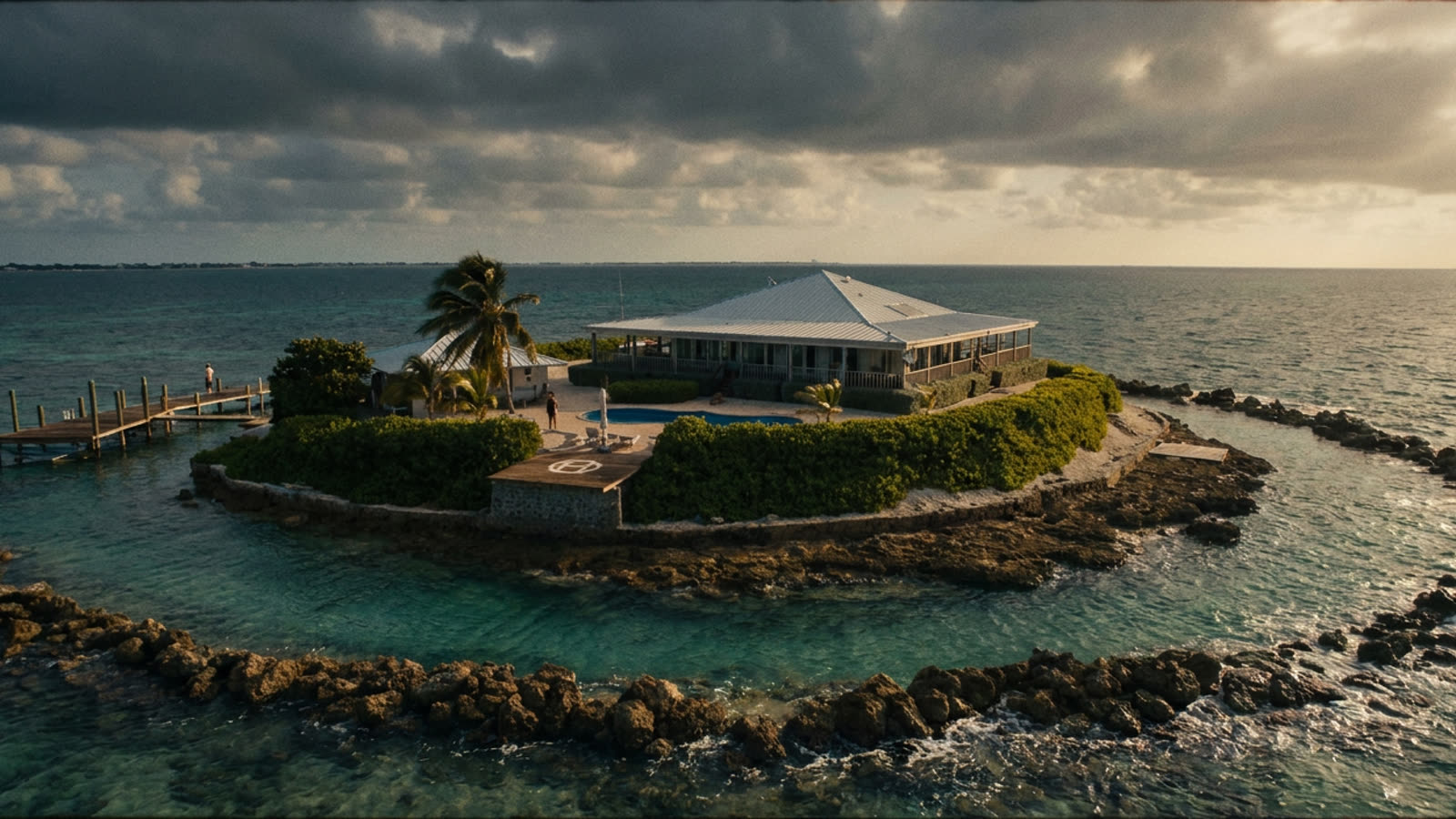
The fantasy of the private island has always been about escape — from society, from scrutiny, from the tedious logistics of sharing a coastline with strangers. For most of the twentieth century, realizing this fantasy required the kind of capital that made the island itself almost incidental: you bought Necker or Skorpios because you could, and the island became an extension of your identity, a fixed point on the map that bore your name.
That model is rapidly becoming a relic. The contemporary ultra-wealthy traveler increasingly treats private islands the way an earlier generation treated hotel suites — as amenities to be booked, experienced, and vacated. The shift reflects something deeper than real estate economics. It reveals a fundamental change in how extreme wealth relates to permanence itself.
The logistics of manufactured solitude
Running a private island is, by any reasonable measure, a nightmare. The infrastructure required to maintain a habitable luxury property on a remote landmass — desalination plants, generators, supply chains, staff housing, hurricane insurance — represents a perpetual drain that makes even billionaires wince during quarterly reviews. A Caribbean island that costs eight figures to acquire can easily demand seven figures annually just to keep the lights on and the beach raked.
The rental market emerged as the logical solution. Platforms now broker access to hundreds of private islands worldwide, from modest Bahamian cays accommodating a dozen guests to sprawling Fijian archipelagos with full resort infrastructure. Owners offset their carrying costs; renters access experiences that would otherwise require generational wealth to maintain. Weekly rates range from roughly the price of a luxury car to the price of a luxury apartment, depending on location, size, and the elaborateness of the staff.
The psychology of temporary sovereignty
What the rental model sacrifices in permanence it gains in variety. The new island consumer collects experiences rather than deeds. The same family might celebrate one anniversary in the Maldives, another in the Exumas, a third in French Polynesia — each time enjoying the complete privacy and bespoke service that island ownership promises, without the obligation to return to the same beach year after year.
This is, in some ways, a more honest expression of what private islands have always offered. The appeal was never really about the land itself but about the experience of being unreachable, of controlling every element of one's environment, of existing temporarily outside the social contract. Ownership was simply the only mechanism available to secure that experience. Now that alternatives exist, the deed looks less like a privilege and more like a burden.
Our take
The private island rental market is a perfect microcosm of how contemporary wealth operates: fluid, experiential, allergic to commitment. There is something almost poignant about the shift — the old tycoon planting his flag on a permanent kingdom, the new one sampling kingdoms like wine flights. Neither model is morally superior; both represent staggering resource consumption in pursuit of manufactured solitude. But the rental version at least acknowledges what the ownership fantasy always obscured: that isolation, like everything else, is just another service to be purchased and eventually returned.