The backlash was inevitable. What's surprising is where it arrived first — not in the tech-skeptical precincts of San Francisco or the over-burdened grids of Northern Virginia, but in the rolling farmland of Pennsylvania, where residents packed a town hall this week to denounce the data center developments reshaping their communities.
The meeting, which drew hundreds of residents from several affected townships, offered a preview of a political fight that will define the next decade of AI infrastructure: the collision between the industry's insatiable appetite for land, power, and water, and the communities being asked to absorb the externalities of the artificial intelligence boom.
The resource arithmetic
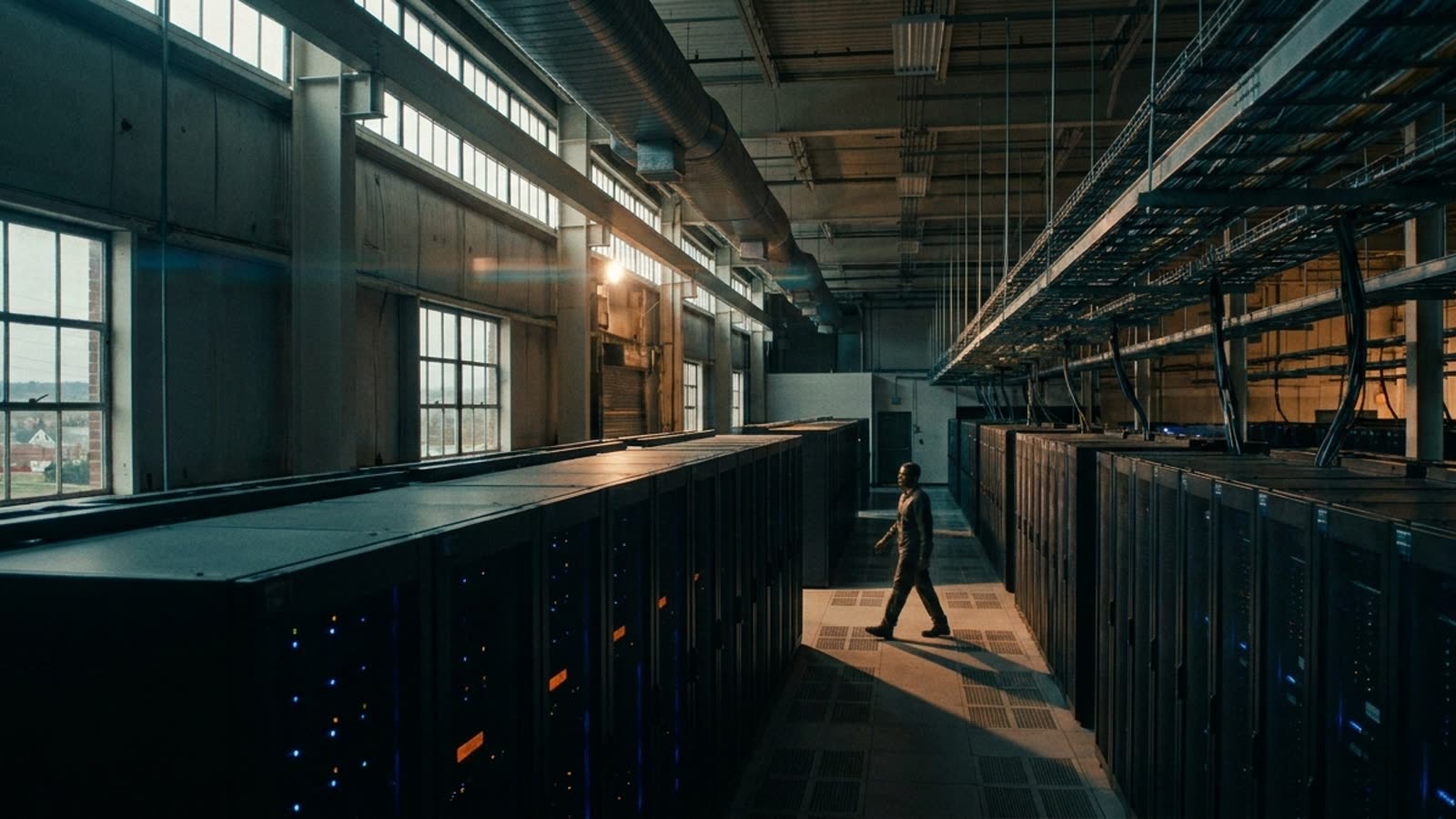
Data centers have always been thirsty, power-hungry neighbors. But the computational demands of large language models have transformed them from quiet industrial tenants into resource behemoths. A single hyperscale facility can consume as much electricity as a small city and millions of gallons of water daily for cooling — resources that don't magically appear when a tech company writes a check.
Pennsylvania's appeal is obvious: relatively cheap land, proximity to East Coast population centers, and a power grid that still leans on reliable (if carbon-intensive) baseload generation. What the spreadsheets in Menlo Park didn't account for was the political economy of communities watching their aquifers draw down and their electric rates climb.
The town hall featured testimony from farmers who've seen wells run dry, homeowners whose property taxes haven't budged despite the promised economic windfall, and local officials struggling to explain why their constituents should bear the costs of training models they'll never use.
The jobs mirage
The economic development pitch for data centers has always been thin. Unlike manufacturing plants or corporate campuses, these facilities employ remarkably few people once construction ends — a skeleton crew of technicians monitoring servers that largely run themselves. The promised tax revenue often evaporates into the abatement deals that lured the facilities in the first place.
Pennsylvania residents articulated this arithmetic with precision. One speaker noted that a proposed facility would consume more power than every home in the county combined while employing fewer people than the local grocery store. Another pointed out that the tax incentive package effectively meant residents were subsidizing a trillion-dollar industry's electricity bills.
This isn't NIMBYism in the traditional sense. These communities aren't objecting to density or change in the abstract. They're making a rational calculation that the costs of hosting AI infrastructure exceed the benefits — and demanding that someone show them the math proving otherwise.
Our take
The AI industry has spent years insisting that its products will transform human productivity and generate untold economic value. Fair enough. But that value is captured in San Francisco and Seattle, while the costs — the drained aquifers, the strained grids, the industrial facilities scarring pastoral landscapes — are exported to communities with less political power to resist. Pennsylvania's town hall suggests that calculation is changing. The industry can either get ahead of this backlash with genuine community benefit agreements and environmental mitigation, or it can watch its expansion plans die in zoning hearings across the American heartland. The servers need to go somewhere. The question is whether anyone will let them.