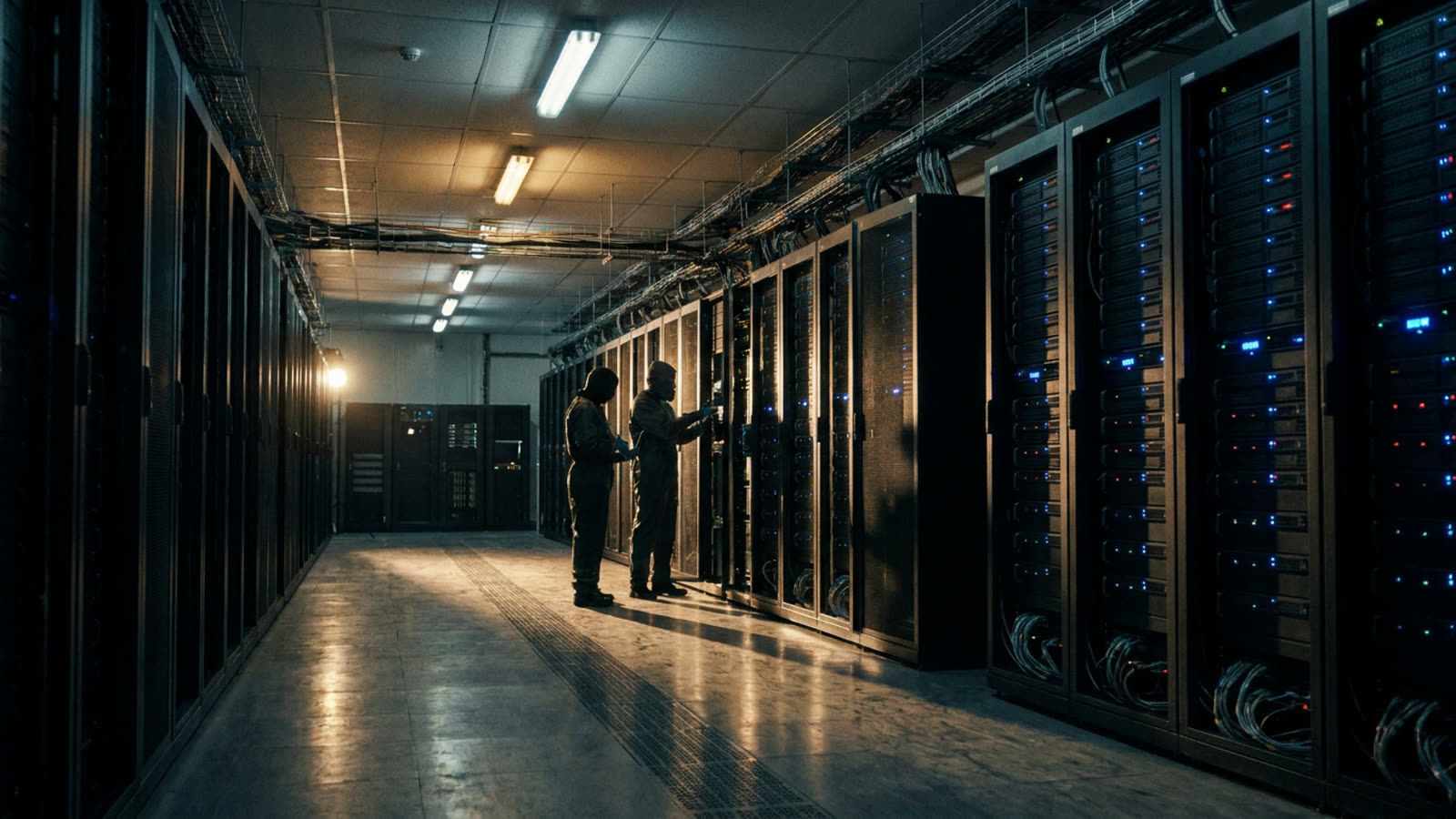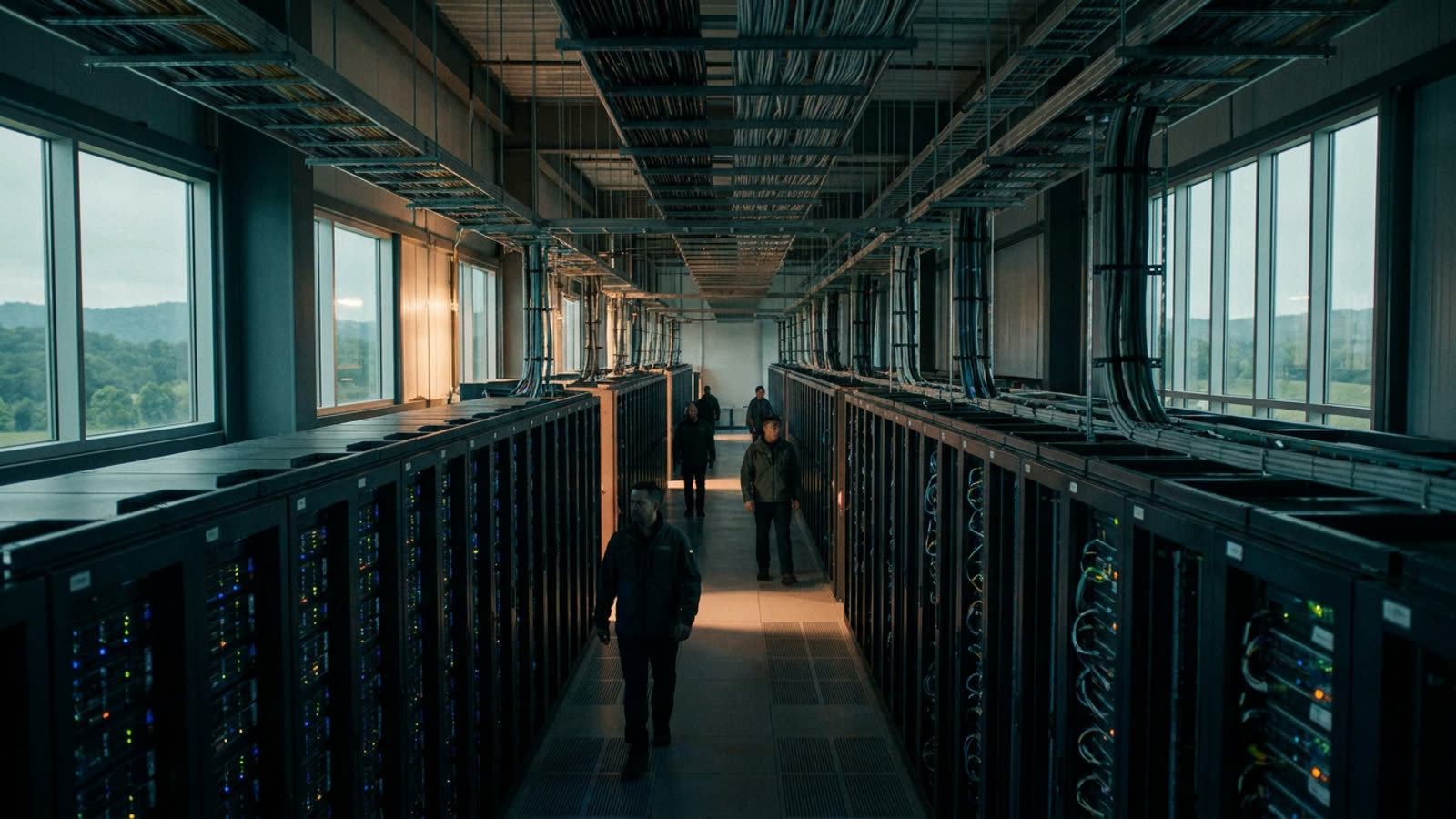
The AI industry has spent three years perfecting its pitch to Wall Street, Washington, and the world's largest enterprises. It has spent approximately zero time perfecting its pitch to the people who live next to its power-hungry facilities. That oversight is now becoming expensive.
At a town hall meeting in Lancaster County, Pennsylvania last week, residents delivered a blunt verdict on the data center boom transforming their community: they want it to stop. The complaints were familiar—noise, water consumption, strain on the electrical grid, property value concerns—but the intensity was not. Local officials who had welcomed the facilities as job creators and tax base expanders found themselves facing organized, articulate opposition that framed data centers not as economic development but as extraction.
The infrastructure paradox
The confrontation exposes a tension the AI industry has largely ignored. The same models that promise to revolutionize medicine, accelerate scientific research, and automate drudgery require physical infrastructure that is neither invisible nor benign. A single large data center can consume as much electricity as a small city. In regions where the grid is already strained—which describes most of the United States—that demand creates zero-sum competition with residential and commercial users.
Pennsylvania has become a particular flashpoint because it offers what developers want: relatively cheap land, proximity to major population centers, and a deregulated energy market. What it also offers is a population that remembers what happened when previous industries promised prosperity and delivered environmental degradation. The fracking boom of the 2010s left a complicated legacy in the state, and residents are pattern-matching.
The political economy of compute
The tech industry's standard playbook for local opposition—emphasize job creation, offer community benefit agreements, wait for the controversy to fade—may not work here. Data centers employ remarkably few people relative to their footprint and energy consumption. A facility that draws hundreds of megawatts might employ a few dozen workers. The economic case that worked for manufacturing plants and distribution centers does not translate.
More significantly, the opposition is learning to organize across jurisdictions. Residents in Lancaster County are coordinating with counterparts in Virginia, Arizona, and Ireland—all places where data center expansion has generated friction. The playbook is evolving: demand environmental impact assessments, challenge water permits, pressure utilities to prioritize residential customers, and make approval processes slow and expensive.
Our take
The AI industry has treated infrastructure as a solved problem—just a matter of capital allocation and permitting. Pennsylvania suggests otherwise. The companies racing to build the physical substrate of artificial intelligence may discover that the hardest intelligence to model is the collective decision-making of communities who see the costs arriving before the benefits. This is not a problem that scales away.