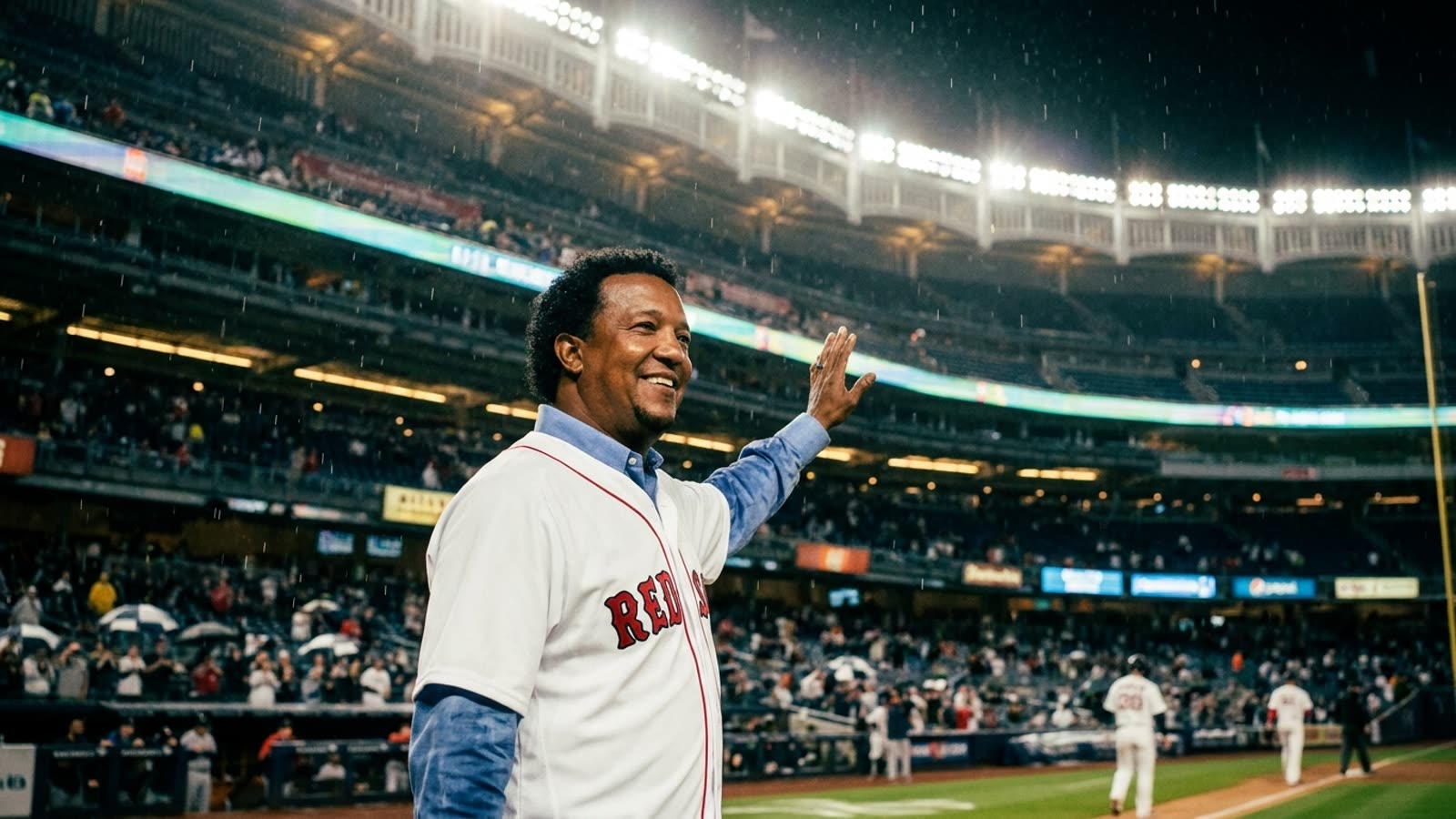
The sight of Pedro Martinez offering soothing words to Yankees fans is about as natural as a cat comforting mice. Yet here we are in late May, with the Hall of Fame pitcher and notorious Yankees antagonist playing therapist to a fanbase watching their expensive roster underperform expectations.
The panic is real, but is it justified?
Martinez's advice comes at a moment when Yankees Twitter has reached peak meltdown. The team that entered the season with World Series aspirations finds itself navigating the choppy waters of .500 baseball, prompting the usual May overreactions that have become as predictable as the seventh-inning stretch.
What makes Martinez's intervention particularly notable isn't just the messenger—though the irony of a Red Sox icon counseling Yankees fans is delicious—but the timing. Baseball's 162-game grind has a way of exposing early-season hysteria for what it is: premature judgment rendered before Memorial Day.
History suggests patience pays
The Yankees themselves offer compelling evidence for Martinez's thesis. Over the past two decades, slow starts have become something of a franchise specialty. The 2009 championship team sat at 15-17 in mid-May. The 2019 squad that won 103 games was treading water at .500 through their first 40 games.
More broadly, baseball's extended season rewards patience in ways other sports don't. The Braves were under .500 at the All-Star break in 2021 before winning the World Series. The Nationals' 2019 championship run began with a 19-31 start that had fans calling for manager Dave Martinez's head.
Our take
Martinez's advice cuts against every instinct of modern sports fandom, where hot takes are currency and patience is weakness. But he's right. The Yankees' problems—inconsistent starting pitching, a sputtering offense—are real but hardly terminal. What's more interesting than the advice itself is what it reveals about baseball's unique relationship with time. In an era of instant analysis and social media pile-ons, the sport's deliberate pace and marathon schedule remain stubbornly analog. Sometimes the best response to May panic is exactly what a Red Sox legend prescribed: just relax.