The NCAA Baseball Tournament has reached its penultimate stage, and the sixteen teams still standing represent both the sport's enduring hierarchies and its capacity for occasional upheaval. Super regionals begin this weekend, with eight best-of-three series determining who advances to the College World Series in Omaha.
College baseball operates in a peculiar competitive space—more volatile than college football's playoff, less chaotic than March Madness. The double-elimination regional format rewards depth and pitching, which tends to favor programs with established recruiting pipelines. Yet the compressed timeline also creates openings for hot teams to ride momentum further than their regular-season résumés might suggest.
The usual suspects
The SEC, as it does most years, dominates the bracket. The conference placed multiple teams in the super regional round, a testament to its recruiting advantages and the brutal regular-season schedule that prepares teams for postseason pressure. Tennessee, Texas A&M, and LSU all survived their regionals, and none will be surprised to see the others across the field in Omaha.
The ACC and Big 12 also contributed their expected representatives. Wake Forest's pitching staff has been the story of the tournament's early rounds, posting an ERA that suggests the Demon Deacons could be dangerous in a short series against anyone. Virginia, perpetually excellent without quite breaking through to a national title, is back again.
The interlopers
More interesting are the programs that rarely reach this stage. College baseball's economic realities—limited scholarships, regional recruiting patterns, the MLB draft's constant talent extraction—make sustained excellence difficult for schools outside the traditional powers. When a mid-major or rebuilding program punches through to super regionals, it usually represents years of incremental progress finally manifesting in a single electric weekend.
This year's bracket includes at least two teams whose fan bases are experiencing something approaching collective disbelief. For programs that measure success in regional appearances rather than Omaha trips, simply reaching the final sixteen constitutes a generational achievement. The players on these rosters will be remembered locally for decades, regardless of what happens next.
The format's quiet genius
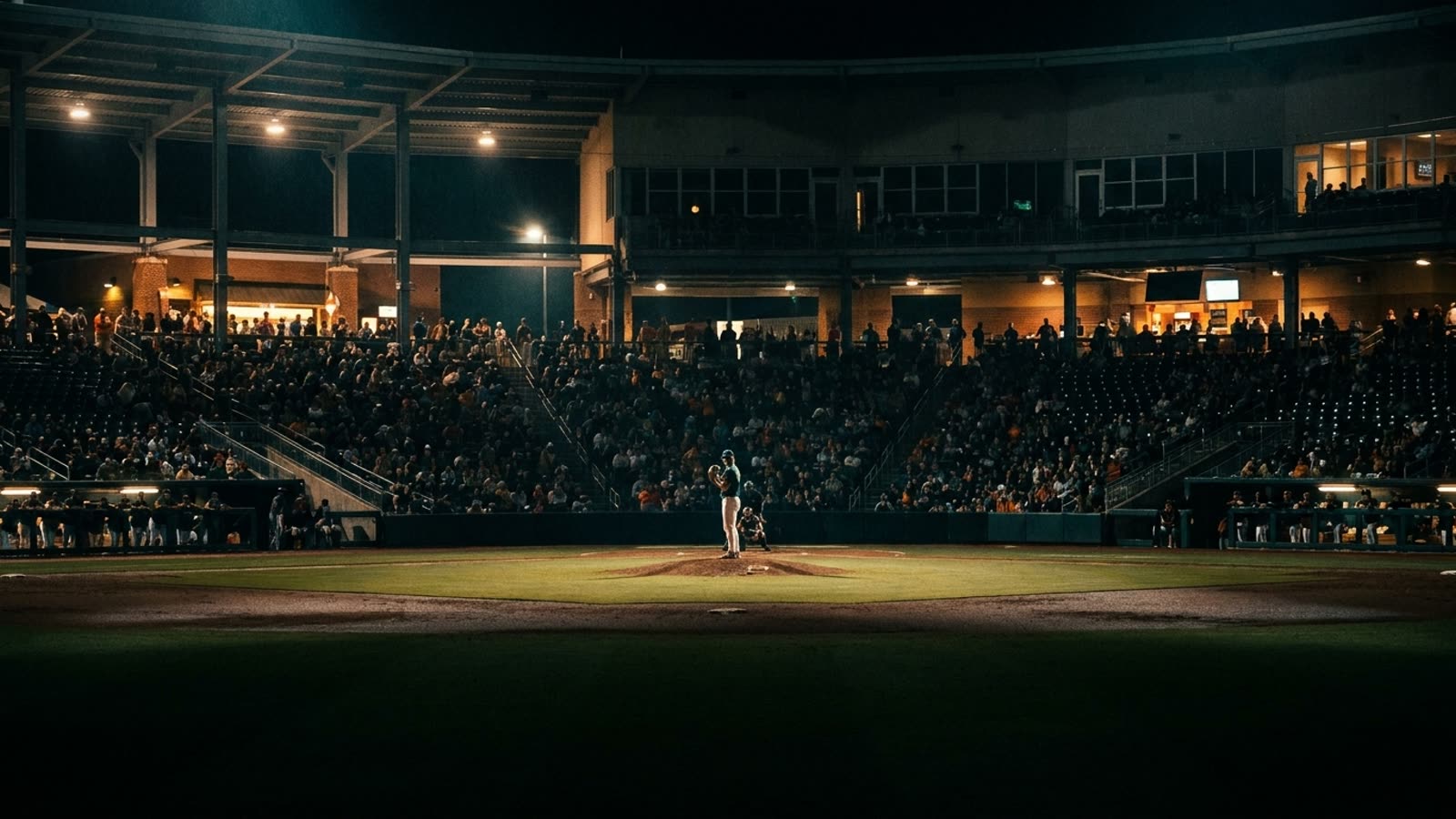
The super regional format—best-of-three, hosted by the higher seed—creates an intimacy that the College World Series sometimes lacks. These games are played in campus stadiums before crowds that have followed their teams through entire seasons, not neutral-site audiences assembled for a single event. The atmosphere can be genuinely hostile for visiting teams, and home-field advantage matters more than in almost any other college sport.
The compressed schedule also forces difficult pitching decisions. Do you ride your ace for two starts, hoping he can close out the series in Game 3 if necessary? Or do you save him for Omaha, trusting your depth to get you there? These calculations often determine outcomes as much as raw talent.
Our take
College baseball remains the most underrated postseason in American sports. The tournament lacks football's cultural footprint and basketball's bracket-pool ubiquity, but it offers something increasingly rare: genuine uncertainty combined with elite athletic performance. The sport's relative anonymity—most of these players won't become household names, even if they reach the majors—keeps the focus on the games themselves rather than the personalities. Super regionals weekend is worth your attention, even if you haven't followed a single college baseball game all year. The stakes are real, the baseball is excellent, and Omaha awaits.