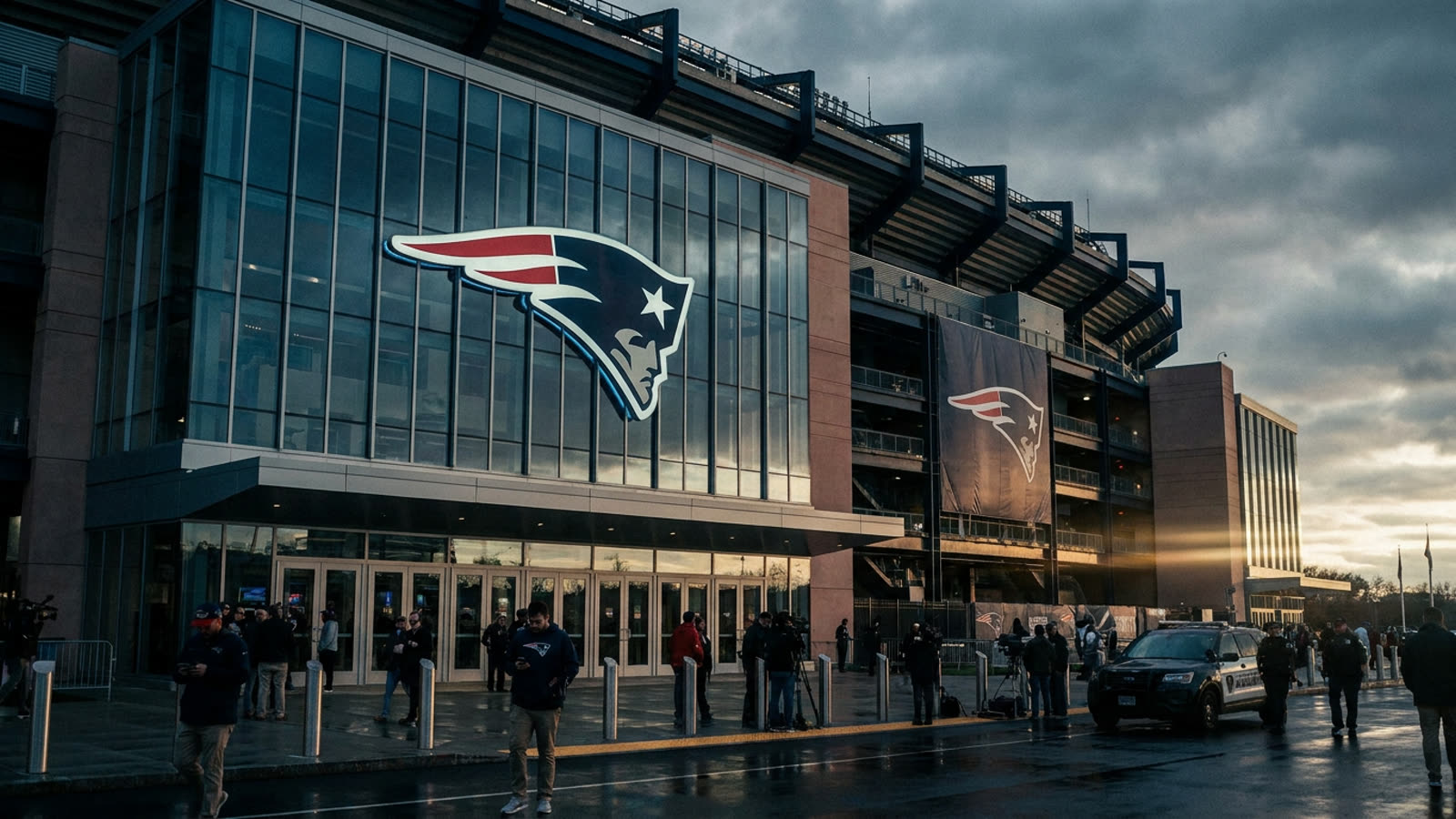
New England has spent the post-Tom Brady era searching for a number-one receiver with the desperation of a franchise that forgot how to evaluate the position. They drafted N'Keal Harry. They signed Nelson Agholor. They watched as every promising young quarterback wilted behind a receiving corps that couldn't separate from a parking cone. Now, in a move that would have made Belichick's eye twitch, the Patriots have acquired A.J. Brown from Philadelphia in a blockbuster that finally gives New England a genuine alpha receiver.
The trade—which reportedly sends multiple premium draft picks to the Eagles—represents a philosophical departure for a franchise that historically preferred to accumulate assets rather than spend them on skill positions. Brown, who turned 27 in June, remains one of the league's most complete receivers: a physical specimen who wins at all three levels, runs precise routes despite his size, and has averaged over 1,100 receiving yards per season since entering the league.
Why Philadelphia moved on
The Eagles' decision to part with Brown speaks to the uncomfortable math of the modern NFL salary cap. Philadelphia faces significant financial constraints heading into 2027, with quarterback and defensive line commitments eating an enormous portion of their cap space. Brown's contract, while reasonable for his production, became expendable when the Eagles determined they could redirect resources toward their defensive rebuild. It's a coldly rational calculation that will nonetheless infuriate Philadelphia fans who watched Brown become the heart of their offense.
What this means for Drake Maye
The real beneficiary here is Drake Maye, who enters his second NFL season with something no Patriots quarterback has enjoyed since Brady's final years: a receiver who demands double coverage. Maye showed flashes of legitimate franchise-quarterback ability as a rookie, but his supporting cast forced him into hero ball too often. Brown changes the geometry of every defensive scheme New England will face. Safeties can no longer cheat toward the run. Cornerbacks must respect the deep ball. The intermediate zones that Maye struggled to attack will open up simply because Brown exists.
The cost of doing business
New England reportedly surrendered a first-round pick and additional compensation—a steep price for a player entering his late twenties. But the Patriots have stockpiled draft capital precisely for moments like this, and their recent drafting record suggests those picks might have become replacement-level players anyway. Sometimes the smartest use of draft picks is trading them for proven talent.
Our take
This is the kind of move the Patriots needed to make three years ago. Instead, they watched Mac Jones deteriorate behind a receiving corps that would have struggled in the Big Ten. Brown doesn't guarantee New England returns to contention—the AFC East remains brutal, and the roster has other holes—but he guarantees that Maye will get a fair evaluation. After a half-decade of organizational drift, that clarity alone is worth the price.