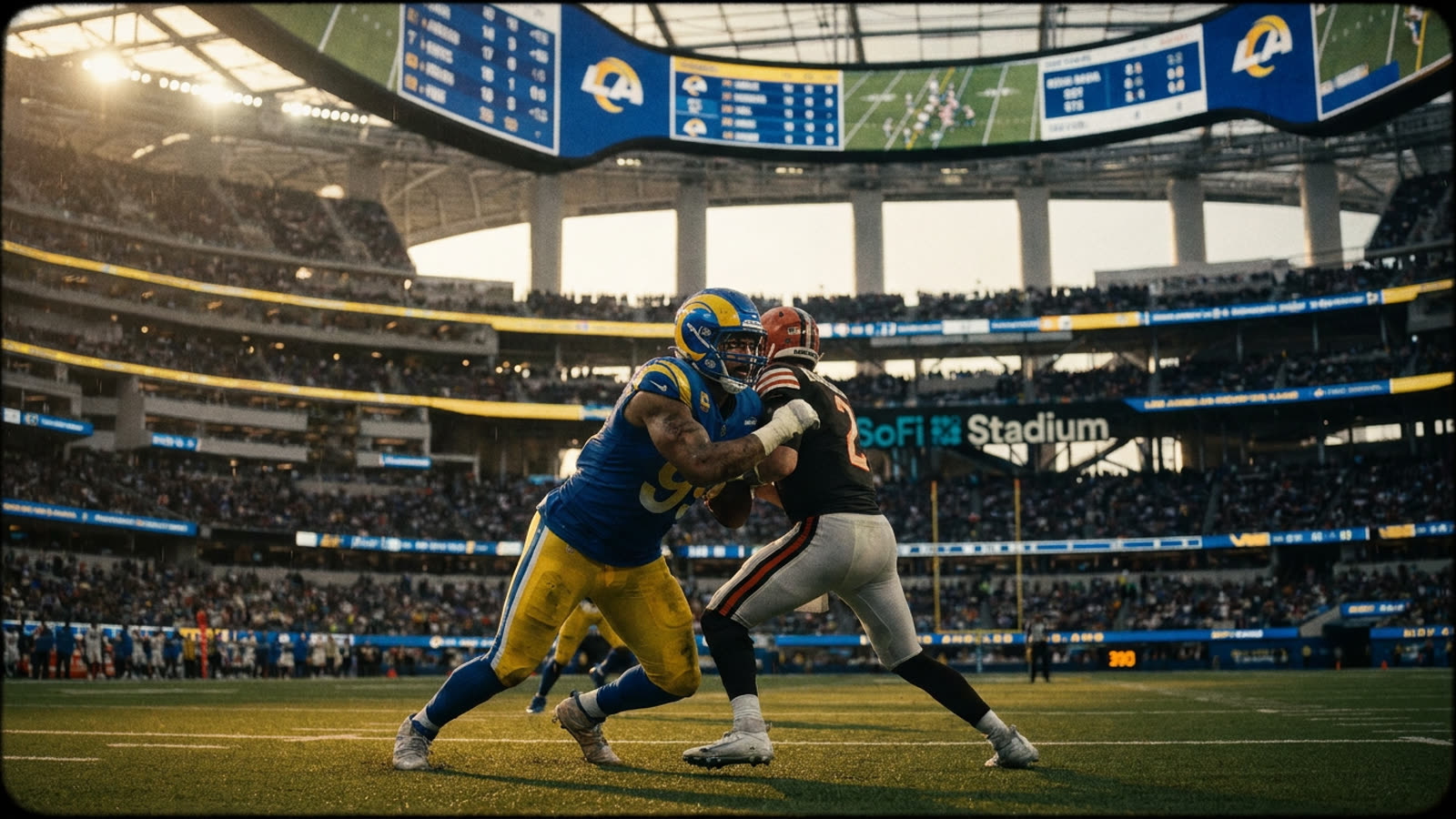
The NFL free agency tracker in early June reads less like a shopping list and more like an archaeological dig. The headline moves happened months ago; what remains tells us something more interesting about how thirty-two franchises actually think about roster construction.
The players still unsigned at this stage fall into predictable categories: veterans whose price tags never matched their self-assessments, specialists whose value is real but narrow, and reclamation projects that require a specific kind of organizational patience. The teams still shopping are equally telling—some are genuinely one piece away from contention, while others are simply maintaining the appearance of activity for fan bases that demand it.
The market for the overlooked
Every June, a handful of legitimately useful players remain available because their situations are complicated rather than their talent deficient. Pass rushers coming off injury-shortened seasons, cornerbacks whose coverage metrics don't match the eye test, interior offensive linemen who were overshadowed by flashier signings—these are the players who could swing a playoff game but who require homework to identify.
The smart organizations treat this period as an extension of the draft process, not a clearance sale. They've already done the medical evaluations, the scheme-fit analysis, the locker room background checks. When they sign someone in June, it's because the value proposition finally aligned, not because they suddenly noticed the player existed.
What the tracker actually measures
The public obsession with free agency trackers reveals something about how fans consume football in the offseason: the transaction itself becomes the content. A signing, any signing, generates coverage, debate, fantasy football implications. The quality of the move matters less than its existence.
This creates perverse incentives. Teams feel pressure to do something visible, even when the wisest move is to do nothing. The franchises that resist this pressure—that let their roster spots sit empty rather than fill them with warm bodies—are often the ones that find themselves with cap flexibility when a midseason opportunity emerges.
Our take
The NFL's June free agency period is a Rorschach test for front offices. Some see opportunity in the margins; others see an obligation to perform activity for its own sake. The tracker will update throughout the summer, but the most meaningful entries will be the ones that don't happen—the signings that teams were smart enough to avoid, the cap space preserved for a better moment. Patience is the scarcest resource in professional football. The organizations that demonstrate it now will be the ones celebrating in February.