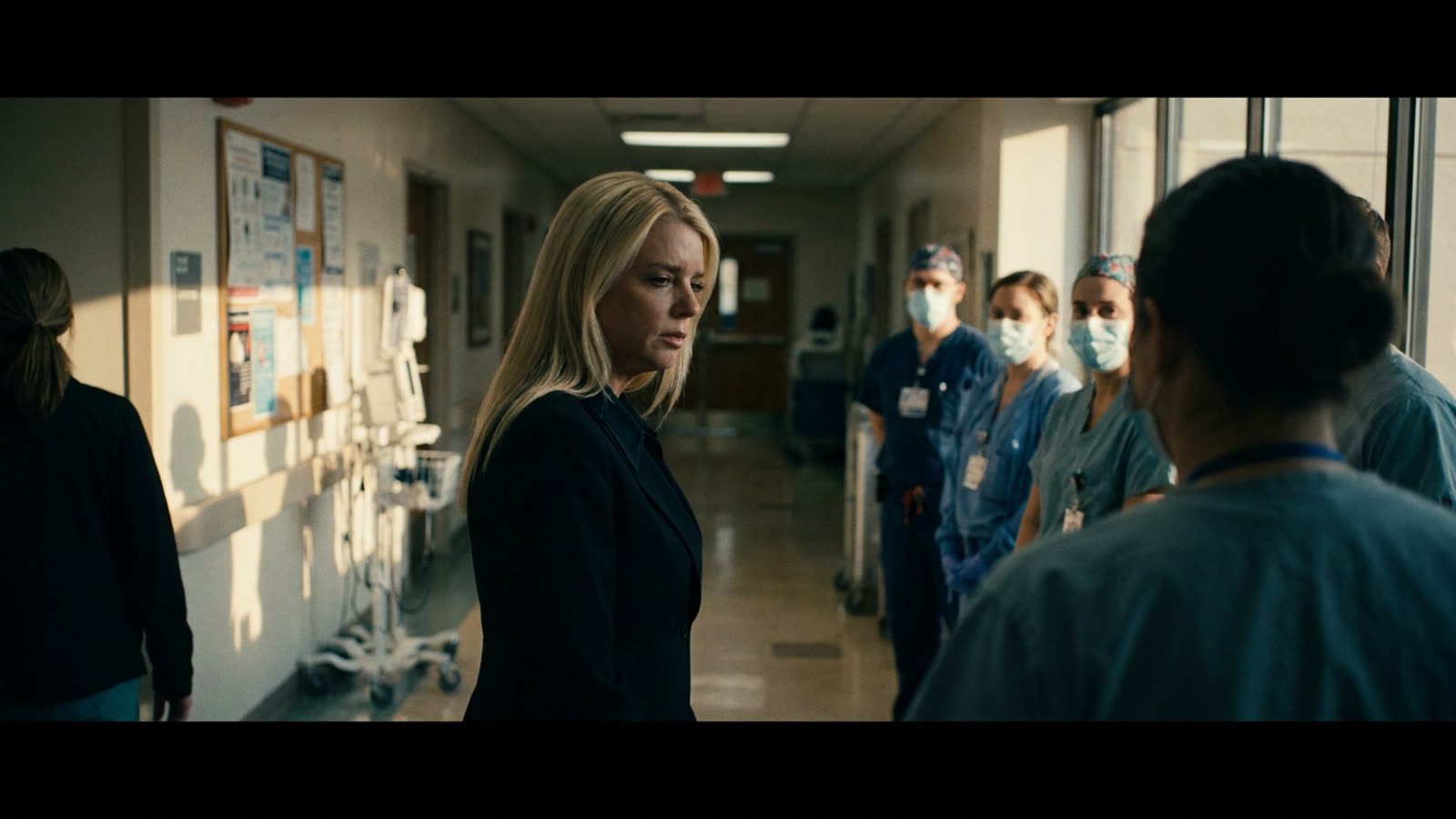
The Trump administration's senior ranks have absorbed another health blow. Pam Bondi, the former Florida Attorney General who served as one of Trump's most visible legal defenders, has been diagnosed with thyroid cancer and is recovering from treatment, CNN reported Tuesday.
Bondi's disclosure arrives at a moment when the administration is already navigating personnel turbulence on multiple fronts—from the Iran policy debates roiling the cabinet to ongoing questions about institutional knowledge and bench depth. Thyroid cancer, while generally among the most treatable malignancies, nonetheless forces a principal out of full operational tempo during a period when the White House can ill afford gaps.
The pattern problem
Bondi is not the first Trump-world figure to face a significant health challenge in recent years, and the cumulative effect matters more than any single diagnosis. An administration that prizes loyalty above nearly all other qualities has, by design, created a shallow talent pool. When a trusted figure steps back—even temporarily—the replacement options are limited to those who have already passed the ideological and personal litmus tests.
This is not unique to Trump; every presidency confronts the actuarial reality that senior government service attracts people in their fifties, sixties, and beyond. But the current White House's allergy to outside expertise compounds the vulnerability.
What thyroid cancer means, practically
The five-year survival rate for most thyroid cancers exceeds 98 percent when caught early. Treatment typically involves surgery, sometimes followed by radioactive iodine therapy, and patients often return to normal activity within weeks. Bondi's statement that she is "recovering" suggests the acute phase has passed.
Still, recovery is not the same as full capacity. Fatigue, medication calibration, and follow-up monitoring create drag on anyone's schedule—let alone someone operating in the permanent crisis environment of Trump's orbit.
Our take
Wishing Bondi a swift recovery is the decent human response, and we do. But the political reality is that her diagnosis is a reminder of a structural weakness this administration has chosen not to address: it runs hot, it runs lean, and it runs old. When the inevitable health events occur, there is no deep bench waiting. That is a governance problem dressed up as a loyalty virtue.