The most expensive property dispute in California history is no longer really about a beach. It is about whether a sufficiently wealthy individual can outlast democratic institutions through sheer financial attrition—and what happens to governance when the answer appears to be yes.
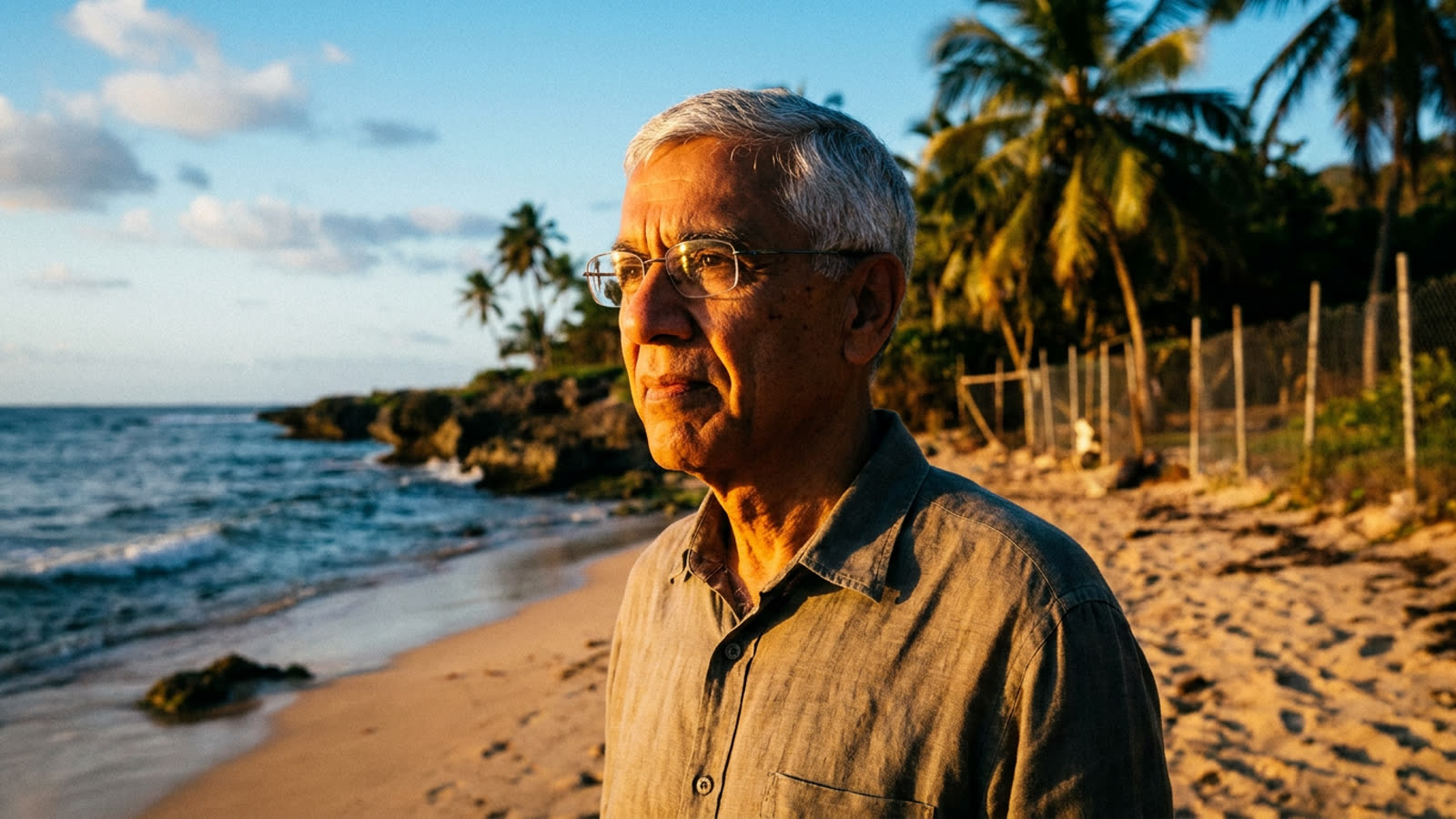
Vinod Khosla, the Sun Microsystems co-founder turned venture capitalist, purchased the 89-acre Martins Beach property south of Half Moon Bay in 2008 for approximately $32.5 million. Almost immediately, he closed a gate that had allowed public access to the cove for nearly a century. What followed has become a masterclass in how concentrated wealth can paralyze public policy: seventeen years of litigation, multiple court losses for Khosla, and yet the beach remains effectively private. The billionaire has now demanded $400 million from the state to restore access—a figure roughly twelve times his original purchase price and a sum that would make it the most expensive beach acquisition in American history.
The constitutional trap
California's Coastal Act of 1976 is among the strongest public-access statutes in the nation, requiring that development permits maintain shoreline access. Khosla has lost repeatedly on this basis: the California Coastal Commission, state courts, and federal courts have all ruled against him. Yet enforcement remains elusive. The state cannot simply seize the land without compensation, and Khosla's $400 million demand—backed by appraisals his team commissioned—creates a standoff that could take another decade to resolve through eminent domain proceedings.
Half Moon Bay Mayor Joaquin Jimenez has emerged as Khosla's most vocal antagonist, pushing for the state to condemn the property and calling the billionaire's tactics "extortion dressed up as property rights." But Jimenez governs a city of roughly 12,000 people with an annual budget under $30 million. He cannot compel Sacramento to act, and Governor Gavin Newsom's administration has shown little appetite for a nine-figure legal battle over a single beach.
What the price tag actually means
Khosla's demand is not arbitrary. His team argues the property's value has appreciated dramatically since 2008, that the coastal location commands premium pricing, and that the state must compensate for the "highest and best use"—which, in their telling, includes potential development rights. Critics counter that the inflated figure is designed to make acquisition politically impossible, allowing Khosla to claim he offered to sell while ensuring no transaction occurs.
The broader implication troubles housing economists. If a single wealthy owner can effectively price public access out of reach, the precedent extends far beyond beaches. California's housing crisis is fundamentally a land-use crisis, and the Martins Beach saga demonstrates how existing owners—particularly those with unlimited litigation budgets—can resist any policy they dislike. The Coastal Act's enforcement gap is a preview of what happens when zoning reform meets determined opposition.
Our take
Khosla will eventually lose this fight, but not before proving that "eventually" can mean decades when you have a few billion dollars in reserve. The real lesson is institutional: California has strong laws and weak enforcement, which means rights exist on paper until someone with resources decides to test them. Jimenez is right that $400 million is absurd. He is wrong if he thinks moral clarity translates into political will. The beach will probably become public again sometime in the 2030s, after Khosla has extracted maximum reputational damage to the concept of public goods. That is not a victory for anyone except the lawyers.