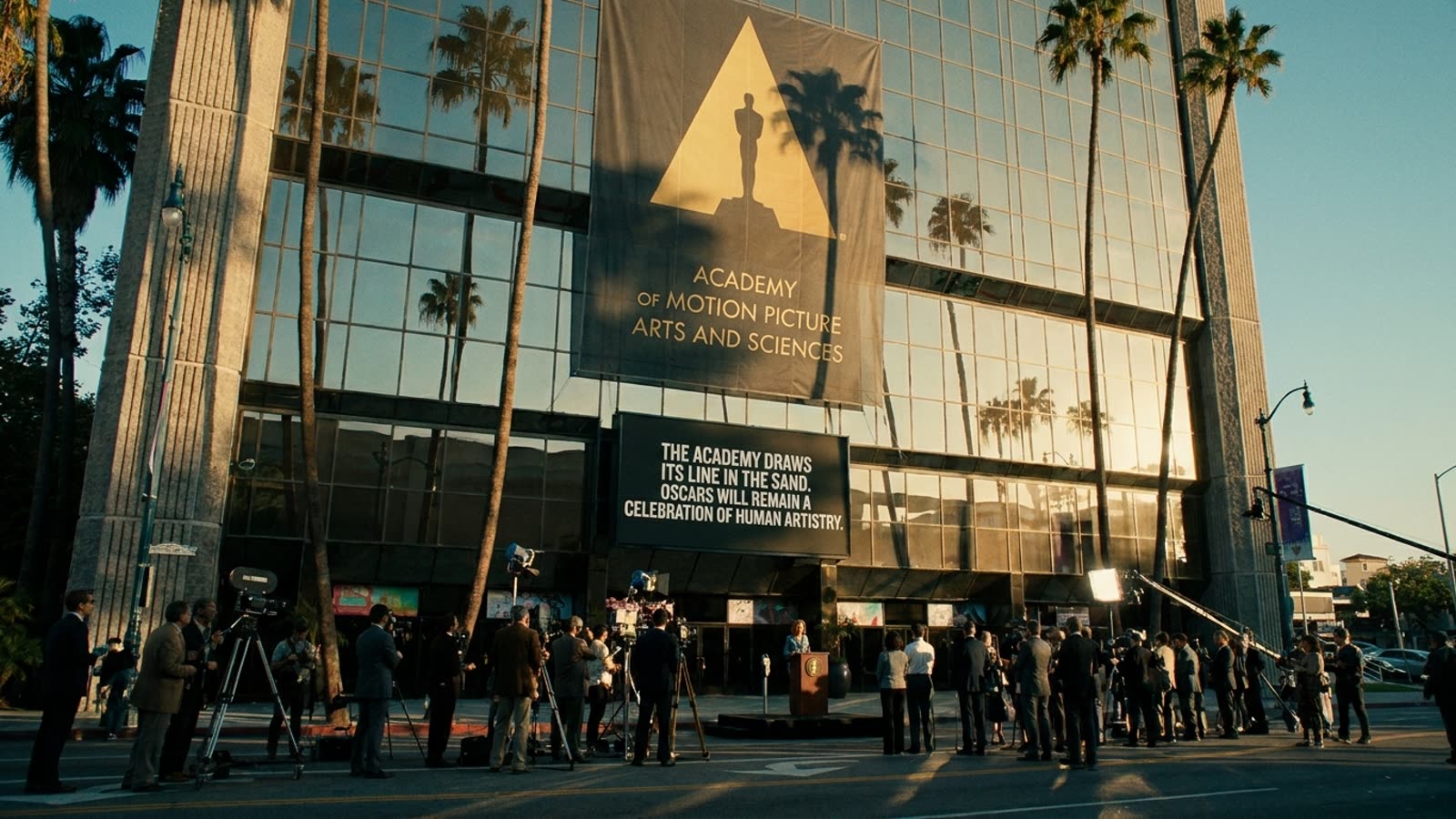
The Academy of Motion Picture Arts and Sciences has spent a century cultivating an image of exclusivity, the kind of institution where membership is whispered about and the gold statuette remains the most coveted prize in entertainment. Now, in a conference room at the Tokyo International Film Festival, CEO Bill Kramer is making the case for something that sounds almost heretical: opening the doors wide and giving the show away for free.
Kramer's pitch, delivered this week to an audience of Japanese film industry executives, frames the Academy's global expansion as an inevitability rather than a gamble. International membership has grown substantially since the "Parasite" victory in 2020, which Kramer described as "a pivot, a shift" in how the organization sees itself. The plan involves aggressive recruitment in underrepresented countries, a new festival-qualifying pathway to nomination that bypasses traditional theatrical distribution, and—most significantly—free streaming of the ceremony on YouTube for global audiences.
The Parasite Problem
The trouble with citing "Parasite" as a turning point is that it increasingly looks like an outlier rather than a harbinger. Six years later, the Academy's international expansion has produced more nominees but not necessarily more winners. The ceremony still runs on Los Angeles time, the speeches still thank American agents and managers, and the after-parties still happen in Beverly Hills. Growing the voting body is one thing; shifting the cultural center of gravity is another entirely.
Kramer's Tokyo appearance was strategic—Japan represents both a mature film industry with global ambitions and a market where Oscar prestige still carries weight. But the YouTube gambit reveals the underlying anxiety. Traditional broadcast ratings have cratered, and the ceremony's relevance to younger viewers is increasingly theoretical. Free streaming sounds democratic; it also sounds desperate.
The Festival Pathway Gamble
The new qualification rules allowing festival premieres to serve as a pathway to nomination could genuinely reshape the competitive landscape. Films that would never secure American theatrical distribution—the kind of work that wins at Cannes or Venice but disappears before awards season—now have a legitimate route to Oscar consideration. This is the most substantive change in the Academy's approach in decades.
But it also creates a two-tier system where some nominees emerge from traditional campaigns and others arrive via festival credentialing. Whether voters will treat these paths equally remains to be seen. The Academy's history suggests that familiarity and accessibility still matter enormously—and a film that premiered at Tokyo or Busan may struggle to achieve either in the minds of Los Angeles-based members.
Our take
The Academy is trying to solve a legitimacy problem with a scale solution, hoping that more members from more countries will somehow make the Oscars feel less parochial. It might work. But there's a reason luxury brands don't chase mass-market distribution: exclusivity is the product. The Oscars have always derived their power from being difficult to win and glamorous to watch. Kramer's global vision could expand the tent or simply remind everyone that the tent was always smaller than it appeared.