The most consequential election night in a generation found the world's most valuable artificial intelligence companies doing something they have never done before: watching television and refreshing Twitter like the rest of us, except with billion-dollar reputations on the line.
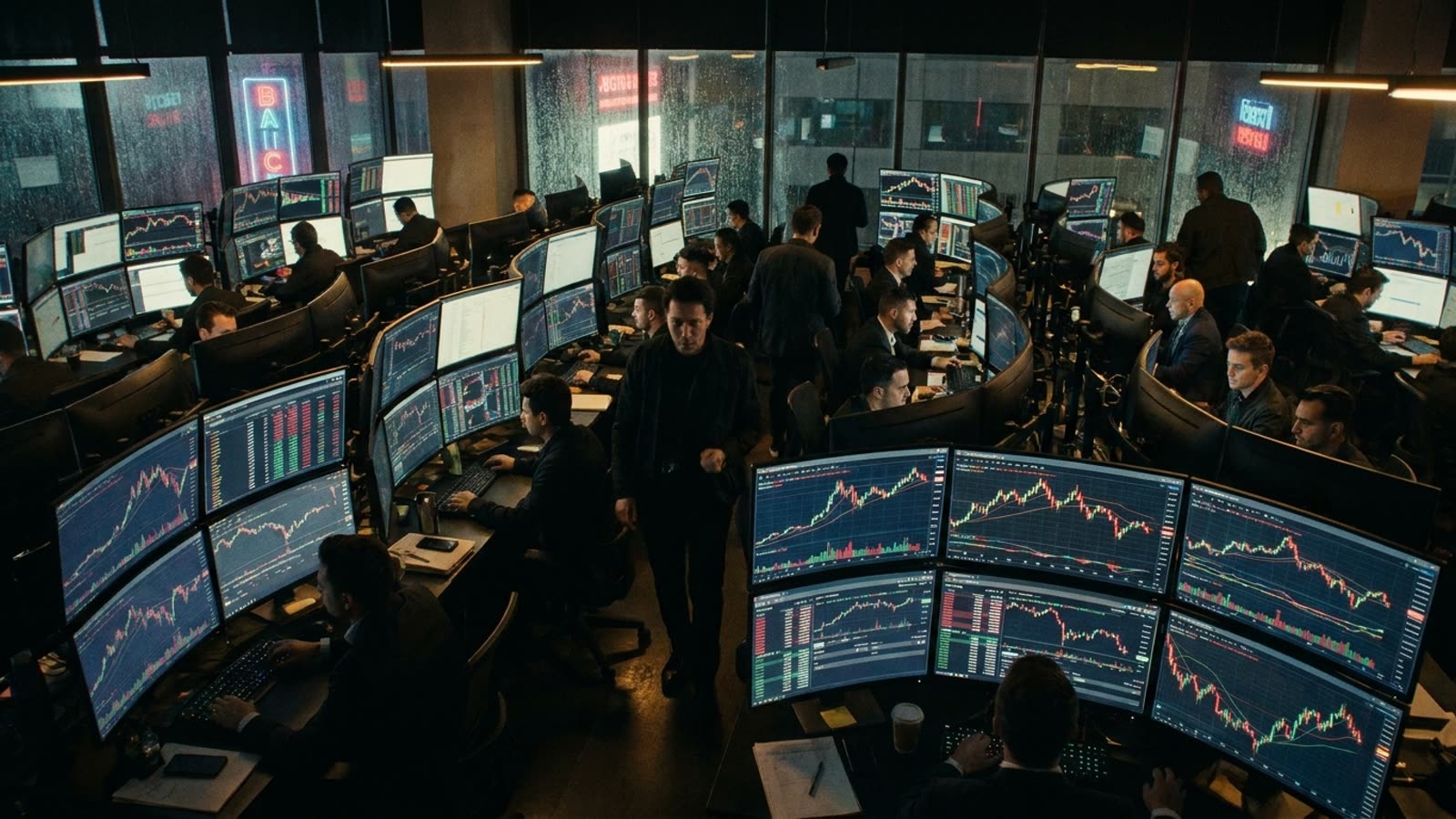
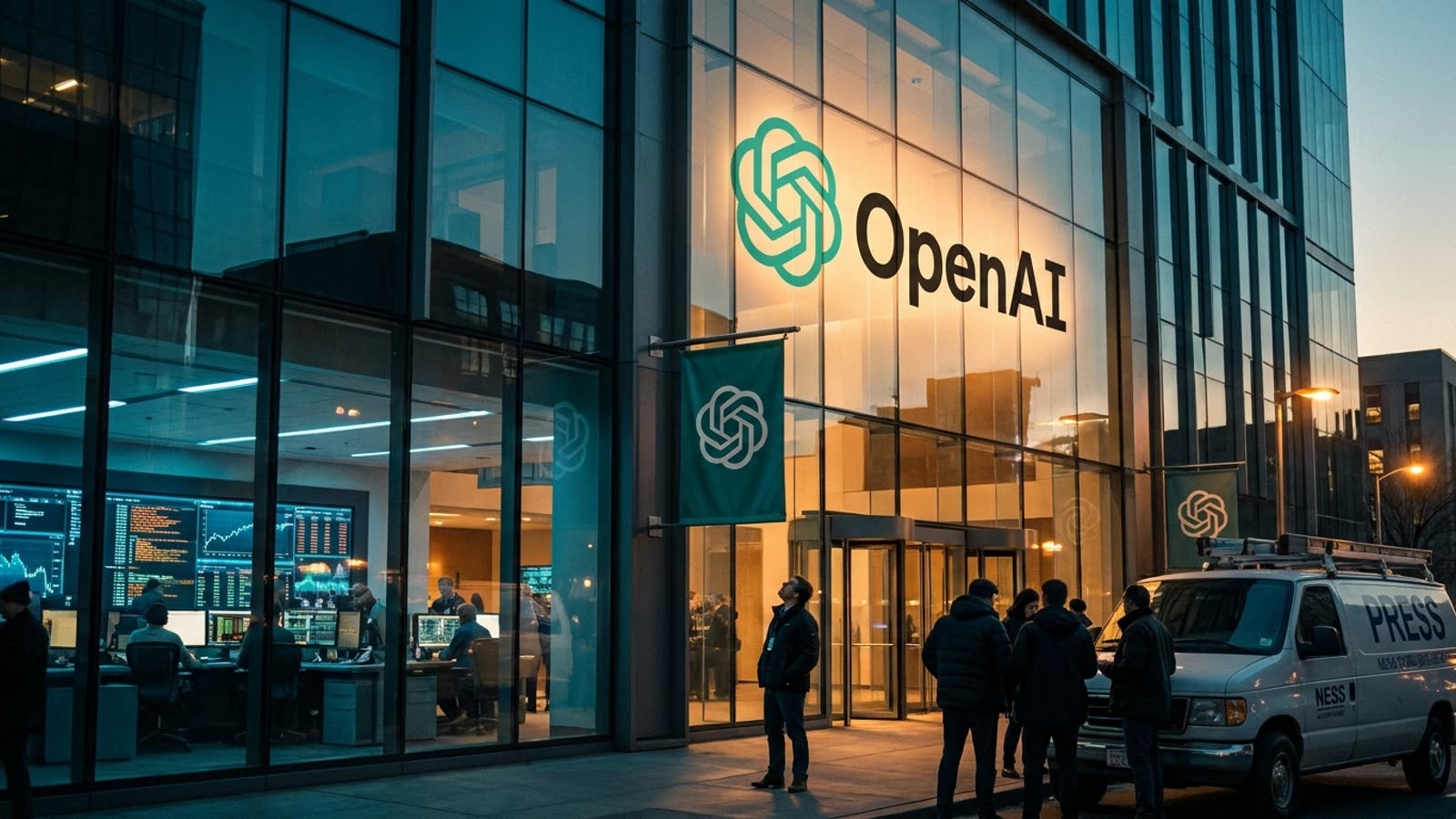
OpenAI, Anthropic, and their peers have established what they are calling "war rooms" — dedicated teams monitoring their platforms for AI-generated disinformation that could undermine Tuesday's midterm elections. The setup is part crisis management, part performance art. These companies have spent two years insisting their models are safe enough to deploy at scale. Now they must prove that claim in real time, with the entire American political establishment watching.
The self-regulation gambit
The timing is not coincidental. Congressional hearings on AI oversight have intensified throughout 2026, with bipartisan momentum building for mandatory content-labeling requirements and liability frameworks that would fundamentally alter how generative AI companies operate. By visibly policing their own systems during a high-stakes election, OpenAI and Anthropic are making an implicit argument: external regulation is unnecessary because responsible self-governance is already happening.
Whether this argument holds depends entirely on what the war rooms actually catch — and what slips through. The companies have been deliberately vague about their detection capabilities, citing security concerns. What we know is that both firms have implemented watermarking systems for AI-generated images and have trained classifiers to identify synthetic text. What we do not know is how effective these tools are against adversarial actors who have had months to probe their weaknesses.
The economics of trust
For OpenAI, which closed a funding round valuing the company at more than $150 billion earlier this year, election integrity is existential brand management. A single viral deepfake traced back to ChatGPT or DALL-E could trigger the regulatory crackdown the company has spent years trying to forestall. Anthropic, positioning itself as the "safety-first" alternative, faces similar pressures with additional irony: its entire corporate identity rests on being more cautious than its competitors.
The war room strategy also serves a secondary commercial purpose. Enterprise clients — governments, media organizations, financial institutions — have grown increasingly skittish about AI procurement amid concerns over liability and reputational risk. Demonstrating robust election-integrity protocols provides valuable reassurance to exactly the customer segments both companies are targeting for their next growth phase.
Our take
There is something faintly absurd about companies that have spent years racing to deploy increasingly powerful AI systems now positioning themselves as democracy's guardians. The war rooms are real, the monitoring is genuine, and the threat of AI-enabled disinformation is not trivial. But the spectacle also functions as an elaborate insurance policy — a way for Big AI to say "we tried" regardless of what happens next. If the midterms pass without incident, the companies will claim vindication. If something goes wrong, they will point to their war rooms as evidence of good faith. It is a bet that costs relatively little and might pay off enormously. In Silicon Valley, they call that a smart trade.