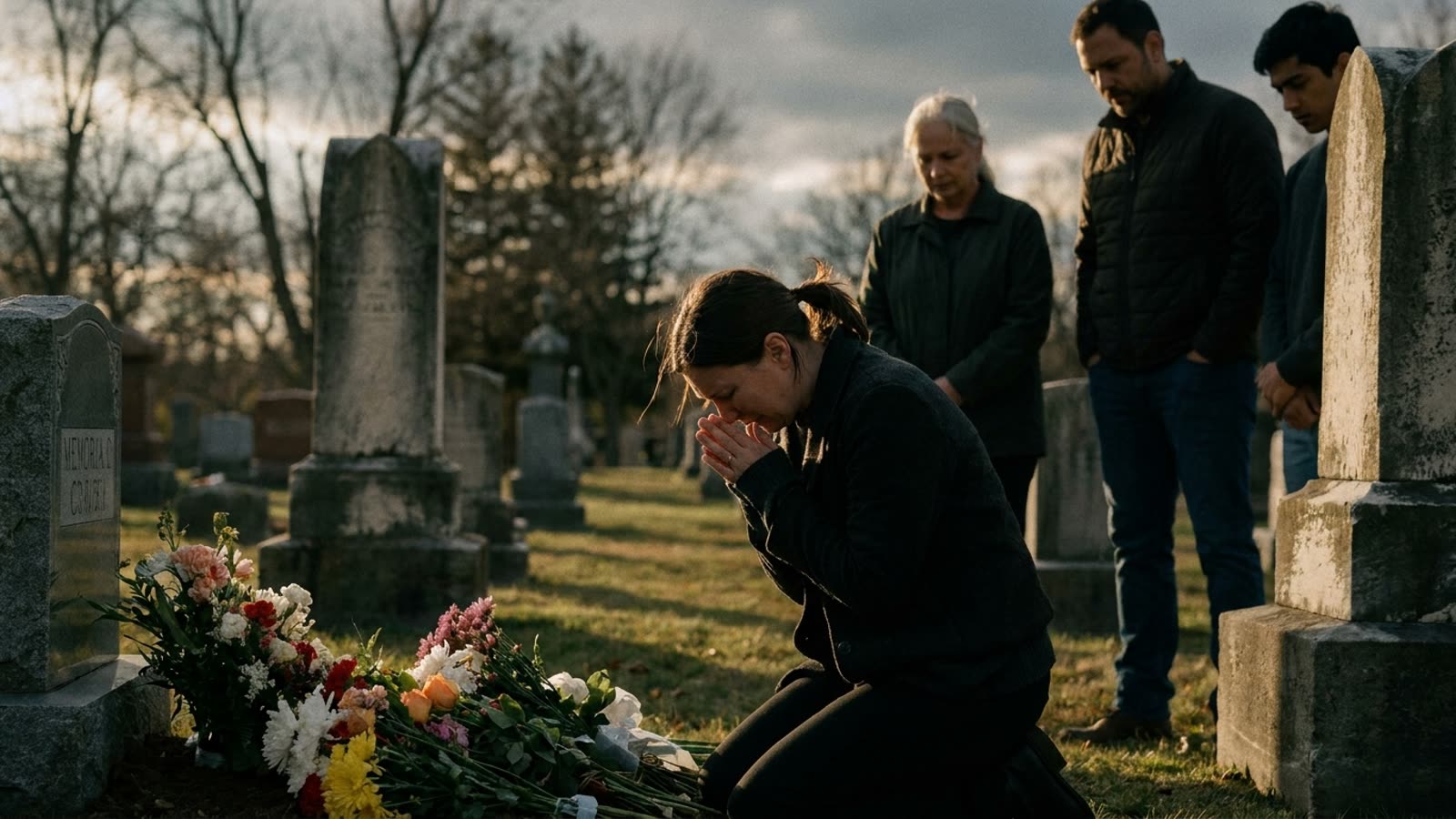
When Michaela Rylaarsdam collapsed in tears at her sentencing hearing this week, she became the unlikely face of a question the legal system has long avoided: where does consent end and culpability begin when adults choose to film dangerous acts for profit?
The OnlyFans model was convicted of manslaughter after a BDSM encounter she was filming resulted in the death of her partner. The specifics remain grim and contested, but the broader implications are clear. A multi-billion-dollar creator economy has normalized the monetization of increasingly extreme content, while the law remains stuck in frameworks designed for an era when such footage could never have found a mass audience.
The consent paradox
Defense attorneys in cases like Rylaarsdam's inevitably invoke consent—the victim agreed to participate, knew the risks, perhaps even requested the acts in question. But American criminal law has always placed limits on what one can consent to. You cannot consent to your own murder. You cannot waive liability for gross negligence. The question is whether BDSM practices, even those that carry genuine mortal risk, fall within the protected zone of bodily autonomy or outside it.
Courts have historically been inconsistent. Some jurisdictions treat rough sex gone wrong as a mitigating factor; others view it as evidence of reckless disregard. What makes Rylaarsdam's case different is the camera. The presence of a profit motive—content destined for paying subscribers—transforms an intimate act into something closer to an unregulated workplace, complete with the safety questions that implies.
The platform's invisible hand
OnlyFans and its competitors have built empires by maintaining plausible deniability. They host the content, collect the fees, and take their cut, but they disclaim responsibility for what creators actually do. Terms of service prohibit illegal activity, but enforcement is reactive at best. The platforms have no interest in scrutinizing content too closely; their business model depends on creators pushing boundaries.
This creates a perverse incentive structure. Creators who produce vanilla content compete against those willing to go further. The algorithm rewards engagement. Subscribers, shielded by anonymity, request acts they would never suggest in person. And when something goes catastrophically wrong, the platform shrugs. The creator faces the consequences alone.
Our take
Rylaarsdam's meltdown was genuine, and her sentence is a personal tragedy. But the case is also a warning. The creator economy has outpaced the regulatory frameworks meant to govern it. We have labor laws for film sets and safety standards for stunt performers, yet a generation of content creators operates in a legal gray zone where the only rule is what the audience will pay for. Until platforms face real accountability for the ecosystems they profit from, Rylaarsdam will not be the last creator to discover that consent is not a magic word and that the camera offers no protection.