Two names keep surfacing in the same breath this summer: Olivia Rodrigo, 23, and Zendaya, 29. Both are at career peaks. Both command the kind of attention that makes publicists weep with joy. And both have spent the past several weeks executing visibility strategies so different they might as well be playing different sports.
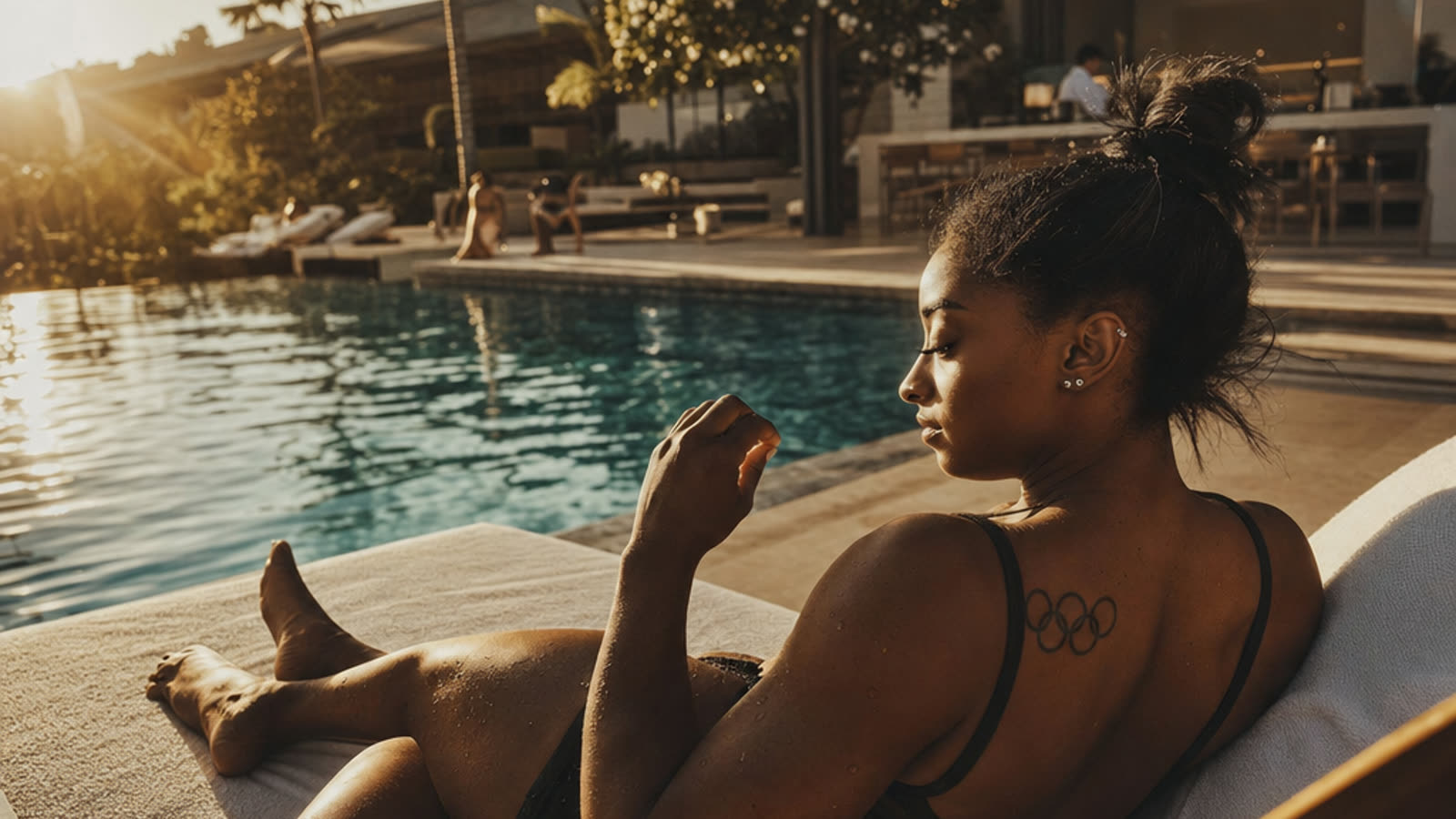
Rodrigo is everywhere in the traditional sense—tour dates, festival appearances, the kind of strategic bikini content that reminds fans she exists between album cycles. Zendaya, meanwhile, has largely vanished from the casual scroll, resurfacing only for carefully orchestrated fashion moments and the occasional Tom Holland adjacency. The question isn't who's doing it right. It's what each approach tells us about the bifurcating economics of fame.
The saturation play
Rodrigo's summer strategy is classic pop-star mechanics: stay in the feed, stay in the conversation, convert attention into streaming numbers and ticket sales. It works. Her GUTS world tour continues to sell out arenas, and her social presence maintains the parasocial intimacy that Gen Z audiences expect from their artists. The risk is fatigue—the same overexposure that turned millennial pop stars into punchlines by their late twenties.
But Rodrigo has an advantage her predecessors lacked: she came up in the content-saturated era and seems to understand its rhythms intuitively. Her visibility feels less like desperation than maintenance, the steady hum of a machine that knows exactly how much fuel it needs.
The scarcity model
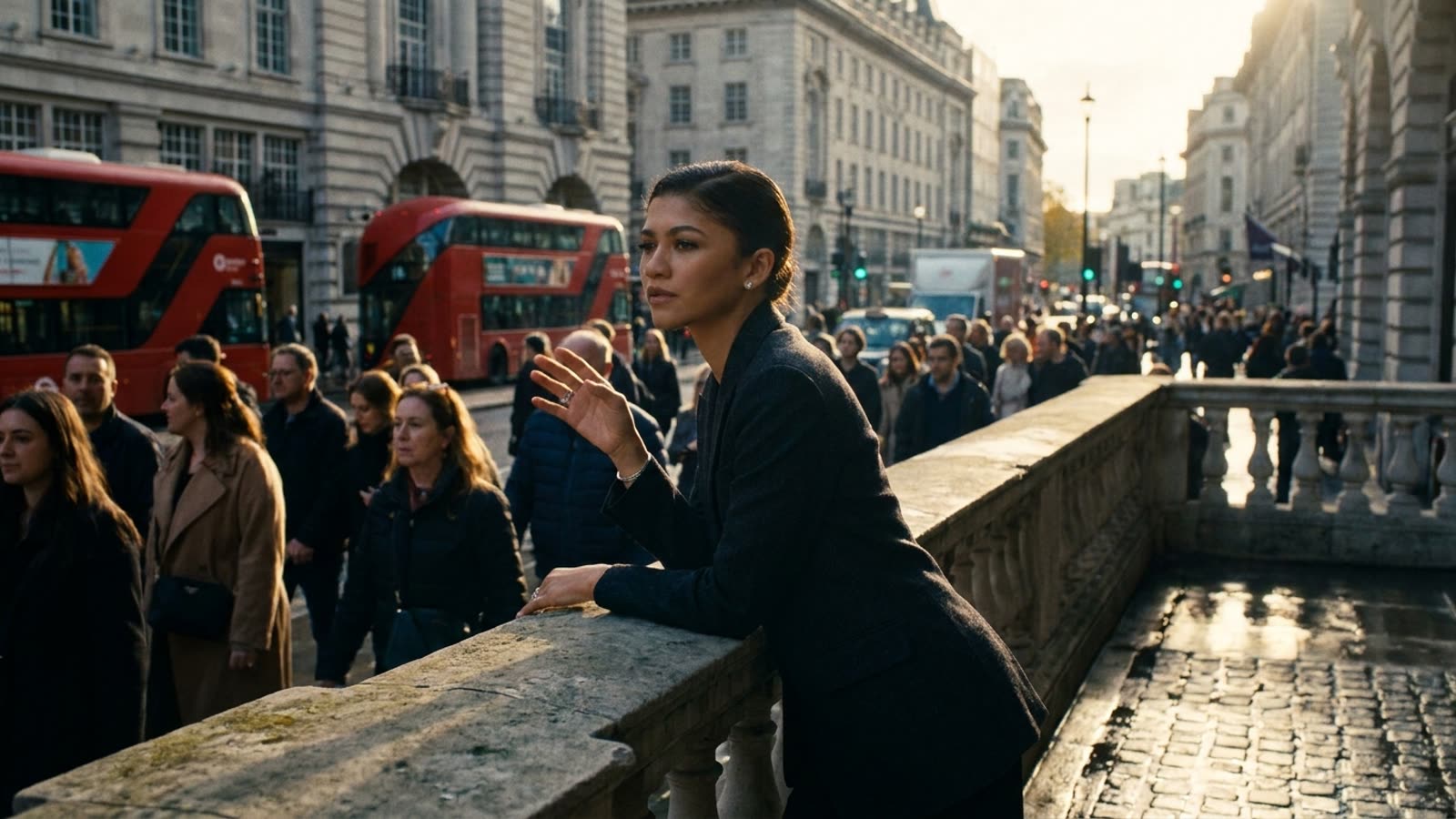
Zendaya has chosen the opposite path, and it's a bet that only someone with her particular leverage can make. She's transitioned from Disney Channel alumna to genuine fashion-industry darling to Oscar-adjacent dramatic actress without ever seeming to chase any of it. Her summer appearances have been limited to a handful of high-impact fashion moments—each one generating more coverage than a month of someone else's content calendar.
This is the luxury-brand approach to celebrity: restrict supply to increase perceived value. It requires confidence that the demand will still be there when you resurface, and it requires a body of work substantial enough to sustain interest during the silences. Zendaya has both. Whether Rodrigo will in six years is the open question.
Our take
The entertainment press loves to frame young female celebrities as rivals, but Rodrigo and Zendaya aren't competing—they're modeling two viable paths through an attention economy that punishes both overexposure and irrelevance. Rodrigo is playing the volume game because pop music demands it. Zendaya is playing the prestige game because her career has earned her that option. The smarter observation isn't who's winning this summer. It's that both strategies require a level of self-awareness that most celebrities never develop, and both women seem to possess it in unusual abundance.