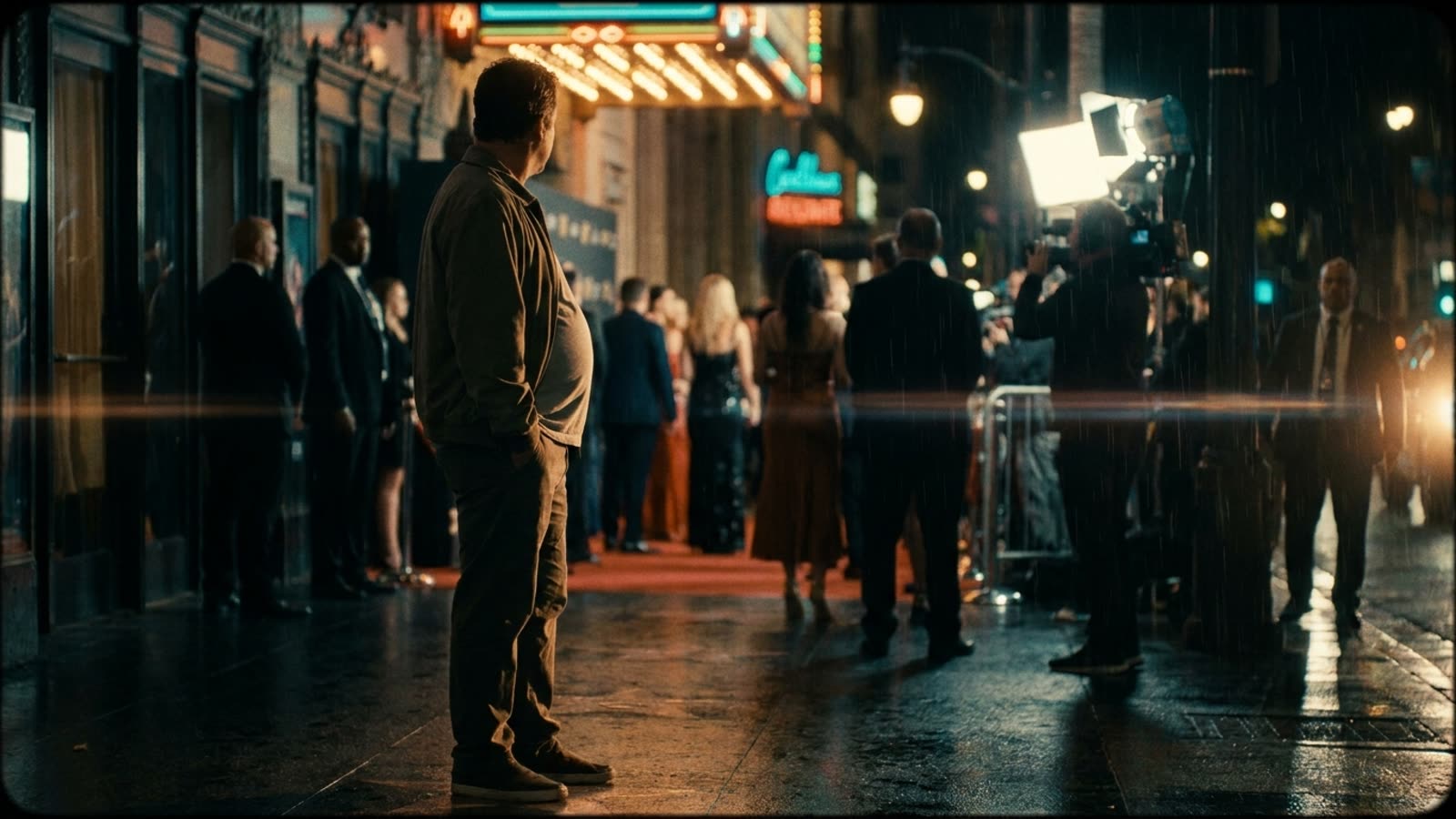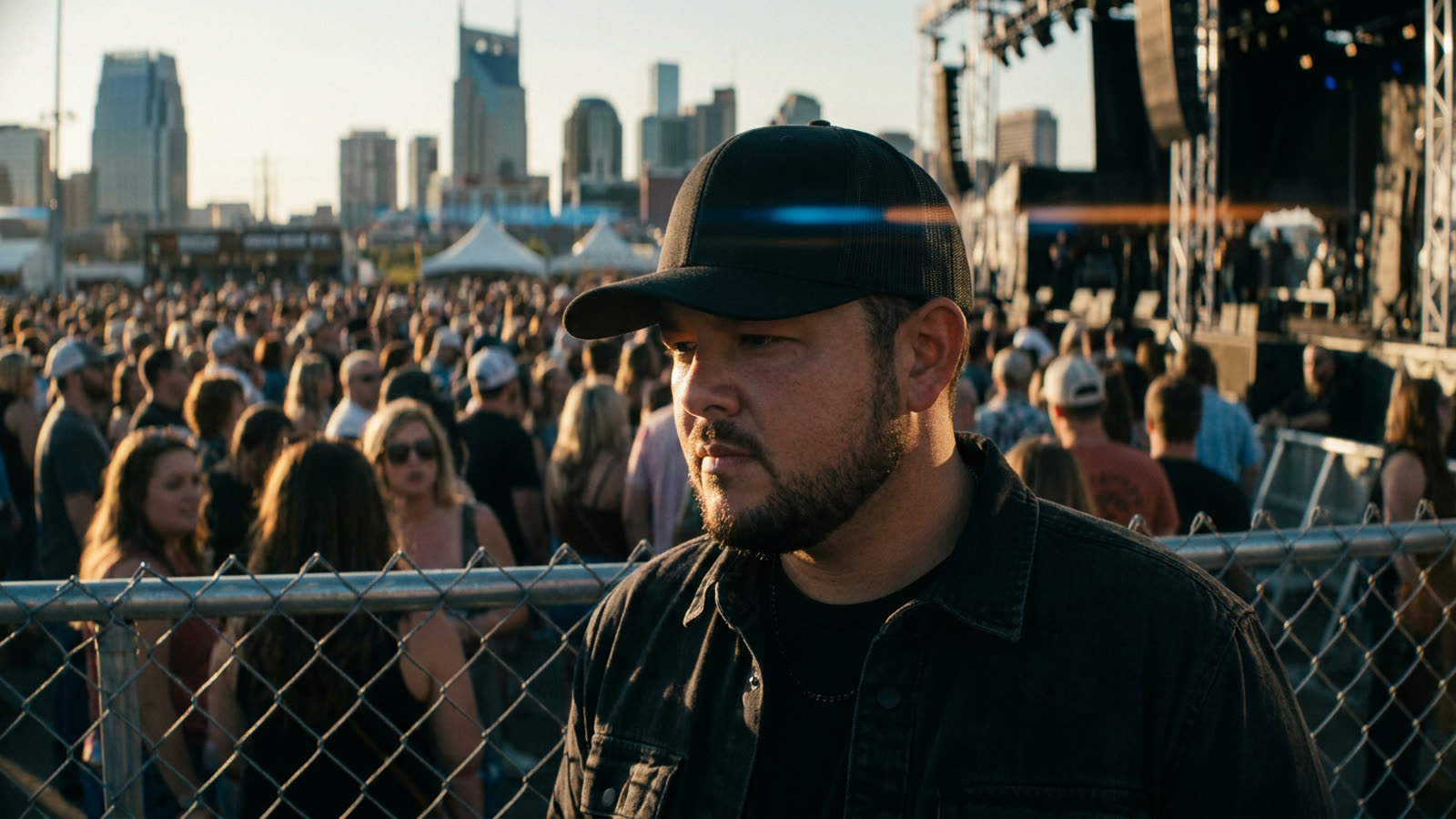
A construction worker from rural Kentucky with a voice that sounds like it was aged in a bourbon barrel has become the unlikely focal point of two parallel cultural conversations: whether singing competitions can still launch legitimate careers, and whether country music has any idea what it wants to be.
Josh Sanders' journey to The Voice finale is, on paper, the kind of origin story Nashville's marketing departments dream about. Blue-collar background, small-town values, the kind of weathered authenticity that focus groups consistently identify as "relatable." But his success arrives at a peculiar moment for both the competition show format and the genre he represents.
The Voice's credibility gambit
The Voice has spent over a decade trying to distinguish itself from American Idol's pop-factory reputation, positioning itself as the more serious, artist-focused alternative. The spinning chairs and blind auditions were always meant to signal that vocal talent trumps marketability. Whether that premise has ever been entirely honest is debatable, but Sanders represents the show's best argument for itself in years.
His performances have leaned into traditional country stylings that feel almost contrarian in 2026, when the genre's biggest commercial successes increasingly blur into pop and hip-hop adjacent territory. The show's producers, whether by design or happy accident, have allowed him to stay in his lane rather than forcing the genre-hopping versatility that typically defines competition show strategy.
Nashville's authenticity industrial complex
Country music has been engaged in a decades-long argument with itself about what constitutes the real thing. The genre that once excommunicated the Dixie Chicks now streams Morgan Wallen at record-breaking numbers despite—or perhaps because of—his controversies. It simultaneously celebrates working-class identity while its biggest stars live in gated mansions and fly private.
Sanders slots into this contradiction neatly. He is, by all accounts, genuinely the thing Nashville claims to value: a working man who learned to sing in church and at family gatherings, not in a performance arts academy. But his path to visibility runs through a network television competition owned by a major media conglomerate, complete with celebrity coaches and carefully edited narrative arcs.
The question isn't whether Sanders is authentic—by any reasonable measure, he appears to be—but whether the infrastructure that delivered him to a national audience can convey that authenticity without metabolizing it into something else entirely.
The post-finale reality
Voice winners have historically faced a brutal statistical reality: the show's track record of producing lasting stars is remarkably thin. For every rare success story, there are dozens of winners who released an album to modest sales before fading into the touring circuit or abandoning music entirely. The show creates visibility, not necessarily careers.
Sanders' traditional country positioning might actually serve him better than the pop-leaning winners who preceded him. Country audiences have proven more loyal to artists who maintain stylistic consistency, and the genre's touring infrastructure—county fairs, honky-tonks, festival circuits—provides a sustainable career path that doesn't require pop-level streaming numbers.
Our take
Josh Sanders is probably the most interesting Voice finalist in years, not because he's the most talented—though he may be—but because his success exposes the contradictions in how we discover and consume musical artists in 2026. He's a throwback being delivered through thoroughly modern machinery, an authentic voice amplified by an authenticity-manufacturing apparatus. Whether he becomes a genuine country star or a trivia question will depend less on his considerable gifts than on whether anyone in Nashville knows what to do with an artist who actually is what they all claim to be.