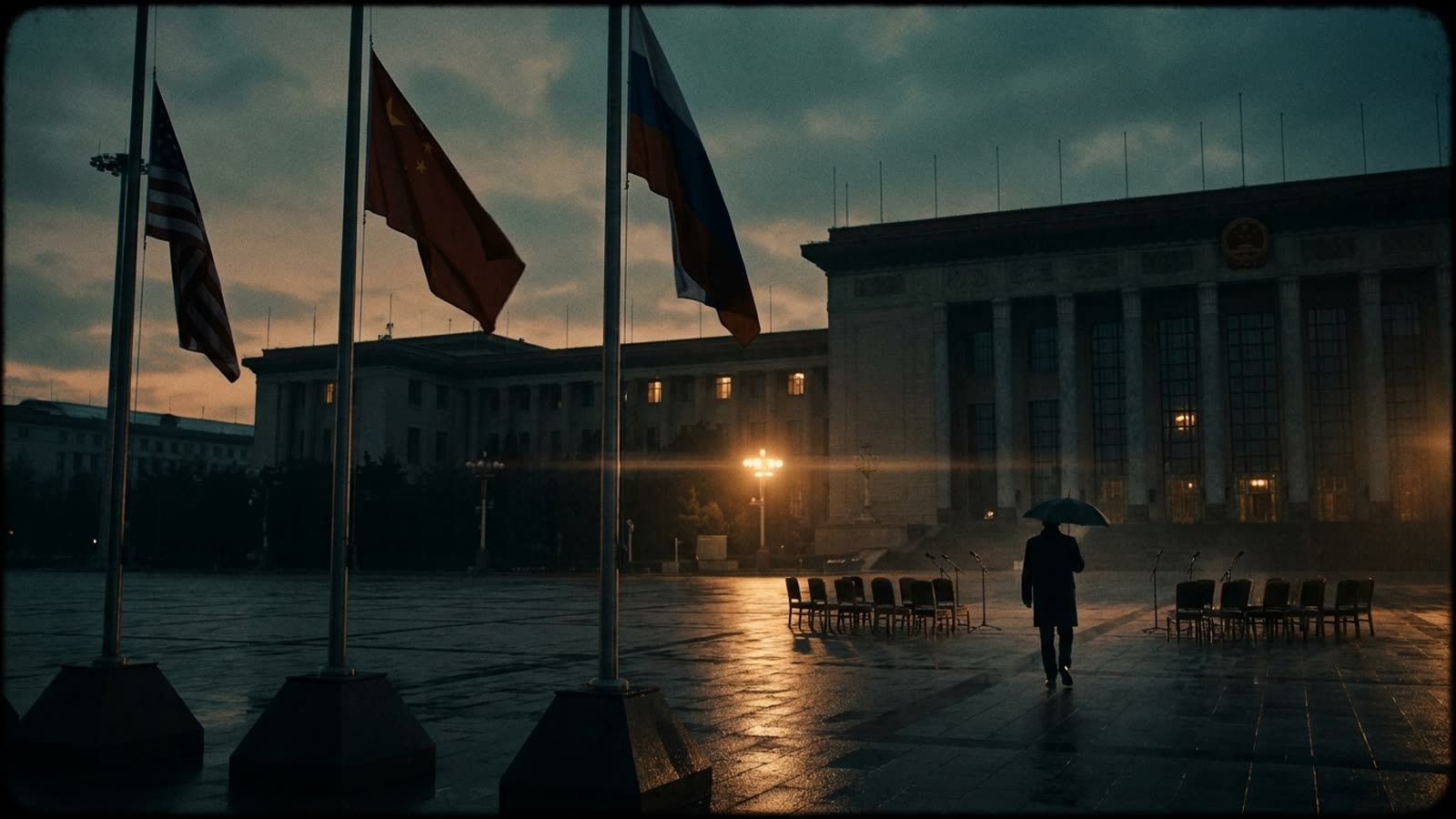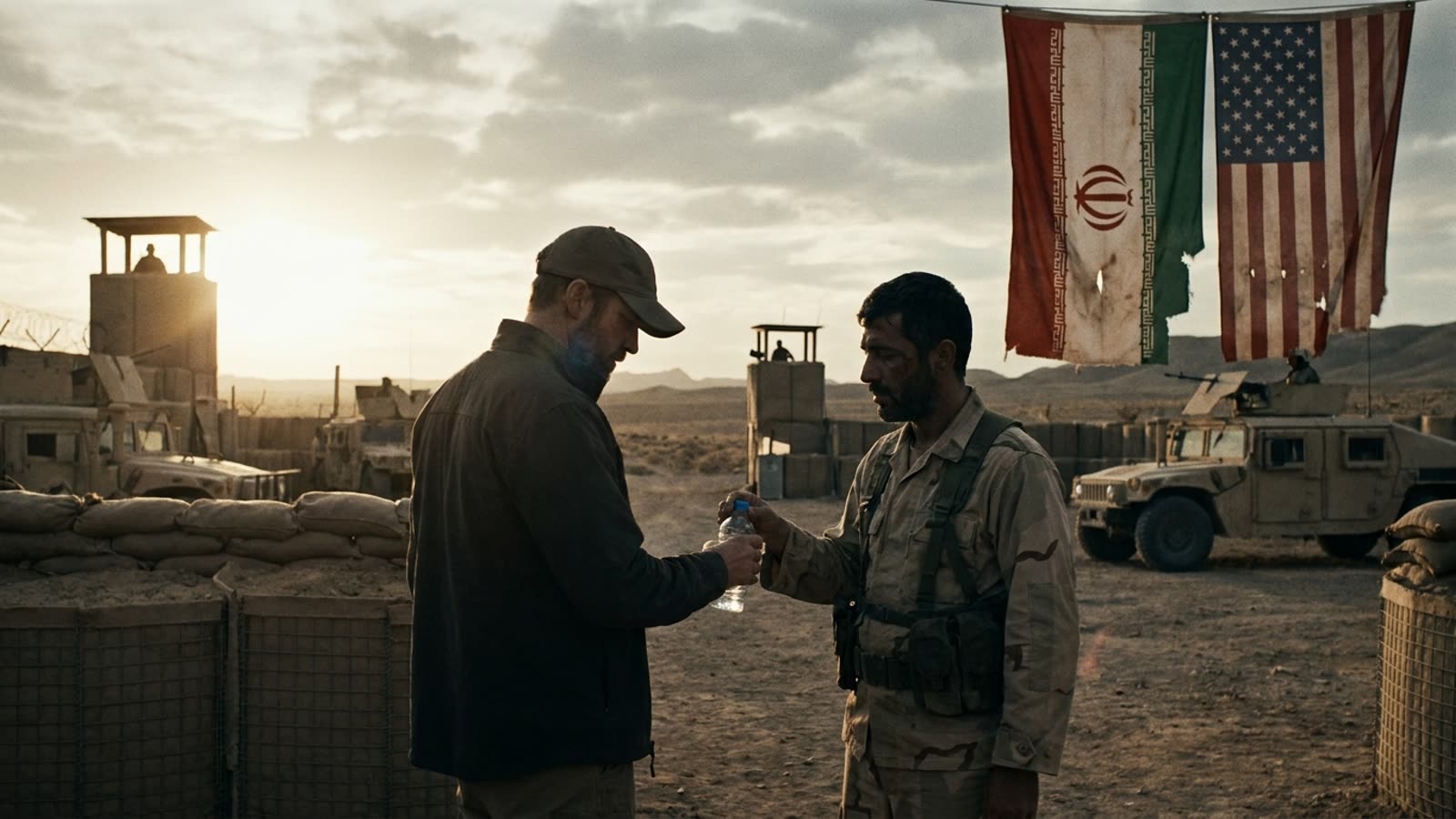
Crude oil fell roughly two percent within hours of the United States and Iran signing their ceasefire agreement at Versailles, a market reaction that speaks louder than any diplomatic communiqué. For traders who spent weeks pricing in disruption risk across the Strait of Hormuz, the ink on paper was permission to unwind hedges and bet on calmer waters.
The drop is modest in absolute terms but significant in context. Oil had climbed steadily throughout the spring as the conflict threatened tanker routes responsible for roughly a fifth of global petroleum transit. Brent crude hovered near multi-year highs just days ago. The rapid reversal suggests the market views the ceasefire as credible enough to justify repricing—though not so transformative as to trigger a collapse.
What the price says about the deal
Markets are not moralists; they are probability machines. A two-percent decline implies traders assign meaningful odds that hostilities will not resume imminently, but they are not yet convinced the region has achieved durable peace. The spread between near-term and longer-dated contracts—known as backwardation—narrowed modestly, indicating reduced urgency to secure immediate supply. Still, the curve did not flatten entirely. Skepticism lingers.
Part of that skepticism stems from the agreement's terms, which leave enforcement mechanisms vague. Part stems from President Trump's own caveat that he could resume attacks if Iran violates its commitments. Traders have learned to price in rhetorical volatility from this administration.
Winners and losers in the short term
American consumers stand to benefit if lower crude translates into cheaper gasoline, though the pass-through typically takes weeks. Airlines and shipping companies, whose fuel costs ballooned during the conflict, saw their shares tick upward in after-hours trading. Energy producers face a more ambiguous picture: lower prices squeeze margins, but stability allows capital planning that was impossible when a stray missile could reshape the supply curve overnight.
For oil-exporting nations outside the conflict zone—Saudi Arabia, the UAE, even Russia—the ceasefire removes a source of windfall revenue but also reduces the risk of contagion. A wider regional war would have threatened infrastructure across the Gulf.
Our take
Two percent is not a ringing endorsement; it is a cautious sigh of relief. Energy markets are telling us they believe the ceasefire is real but fragile, that supply disruptions are off the table for now but not forever. That measured reaction is probably the most honest assessment available. Diplomats will spend weeks debating who won at Versailles. The oil pits have already moved on to the next variable.