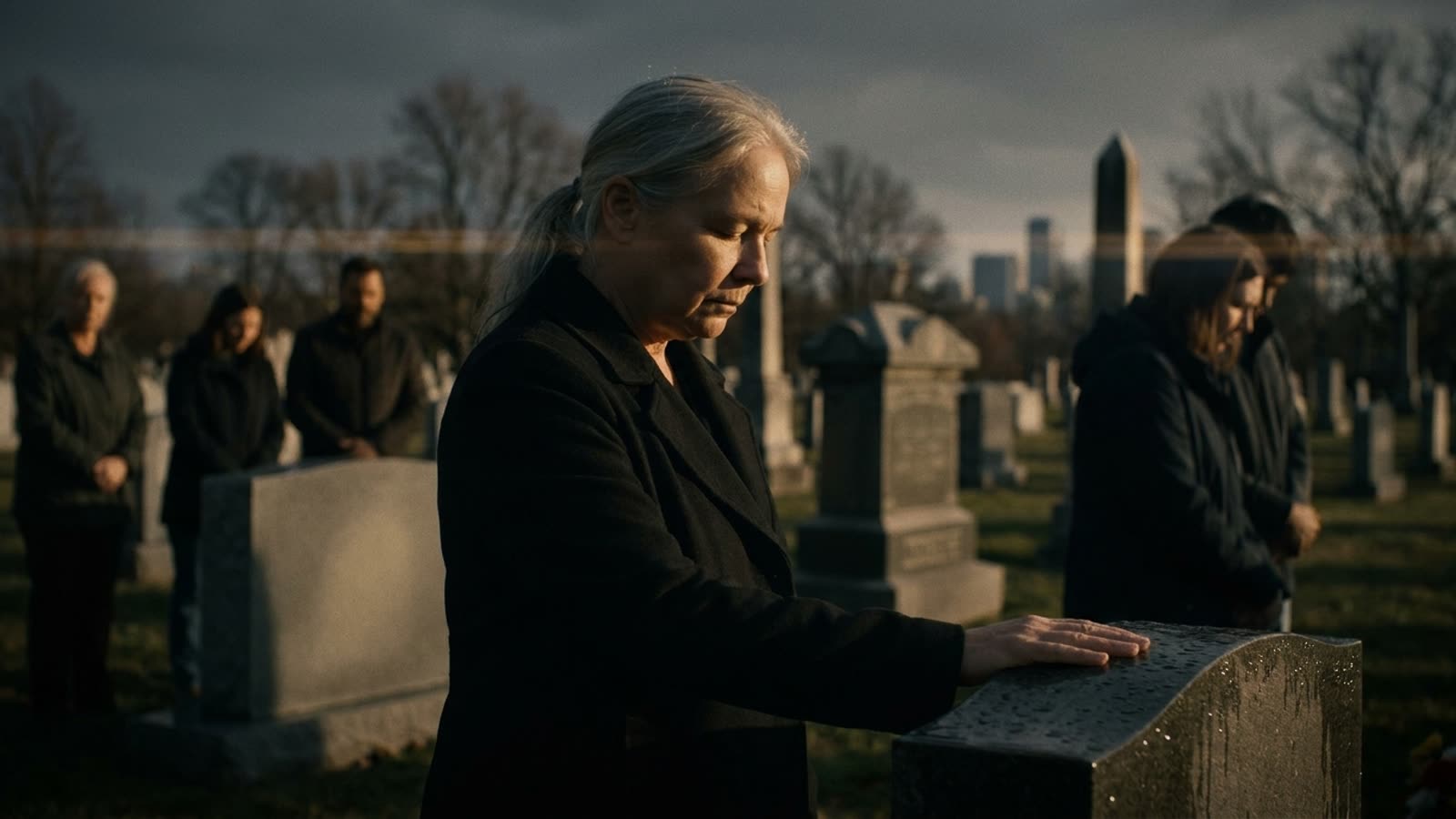
The American legal system offers two distinct forms of accountability for the same tragedy: criminal punishment and civil compensation. Carol Maraj, mother of Nicki Minaj, has now collected on the second after years of pursuing both against the man who struck and killed her husband Robert Maraj in a hit-and-run incident more than five years ago.
The settlement, reportedly in the six-figure range, resolves a wrongful death lawsuit that Carol Maraj filed after Robert Maraj, 64, was fatally struck while walking near his Long Island home in February 2021. The driver, Charles Polevich, initially fled the scene but was later arrested and ultimately pleaded guilty to leaving the scene of an incident, serving time in prison before his release.
The two tracks of justice
Polevich's criminal case concluded in 2022 when he was sentenced to one year in prison—a term that many observers, including the Maraj family, considered inadequate for a death. The civil lawsuit represented the family's attempt to extract a different kind of reckoning, one measured in dollars rather than days behind bars. Six figures, while substantial by ordinary standards, registers as modest given both the defendant's apparent assets and the plaintiff's famous daughter's wealth. The settlement suggests a pragmatic calculation: protracted litigation carries its own costs, emotional and otherwise.
Nicki Minaj, who rarely discusses her father publicly, has occasionally referenced the loss in interviews, describing the complicated grief of losing a parent with whom she had a difficult relationship. Robert Maraj's struggles with addiction and allegations of domestic violence during Minaj's childhood were detailed in her music long before his death made him a subject of tabloid coverage.
When private grief meets public narrative
Celebrity wrongful death cases occupy an uncomfortable space in American culture. The families pursue accountability through the same legal mechanisms available to anyone, yet the proceedings unfold under scrutiny that transforms personal tragedy into content. Carol Maraj's lawsuit was covered not as a routine civil matter but as an extension of her daughter's celebrity narrative—every filing, every hearing, another opportunity for headlines.
The settlement's confidential nature represents a small victory for privacy, though the fact of the payout itself has already entered the public record. For the Maraj family, the resolution likely means less about the money than about closing a file that has remained open for half a decade.
Our take
Six figures cannot restore a father, compensate for a complicated relationship left permanently unresolved, or erase the particular cruelty of a hit-and-run—the cowardice of fleeing compounding the tragedy of the collision. What settlements like this one actually purchase is finality, the legal system's formal acknowledgment that a wrong occurred and that some price, however inadequate, has been paid. For Carol Maraj, that may have to suffice. The American civil justice system is not designed to heal; it is designed to close.