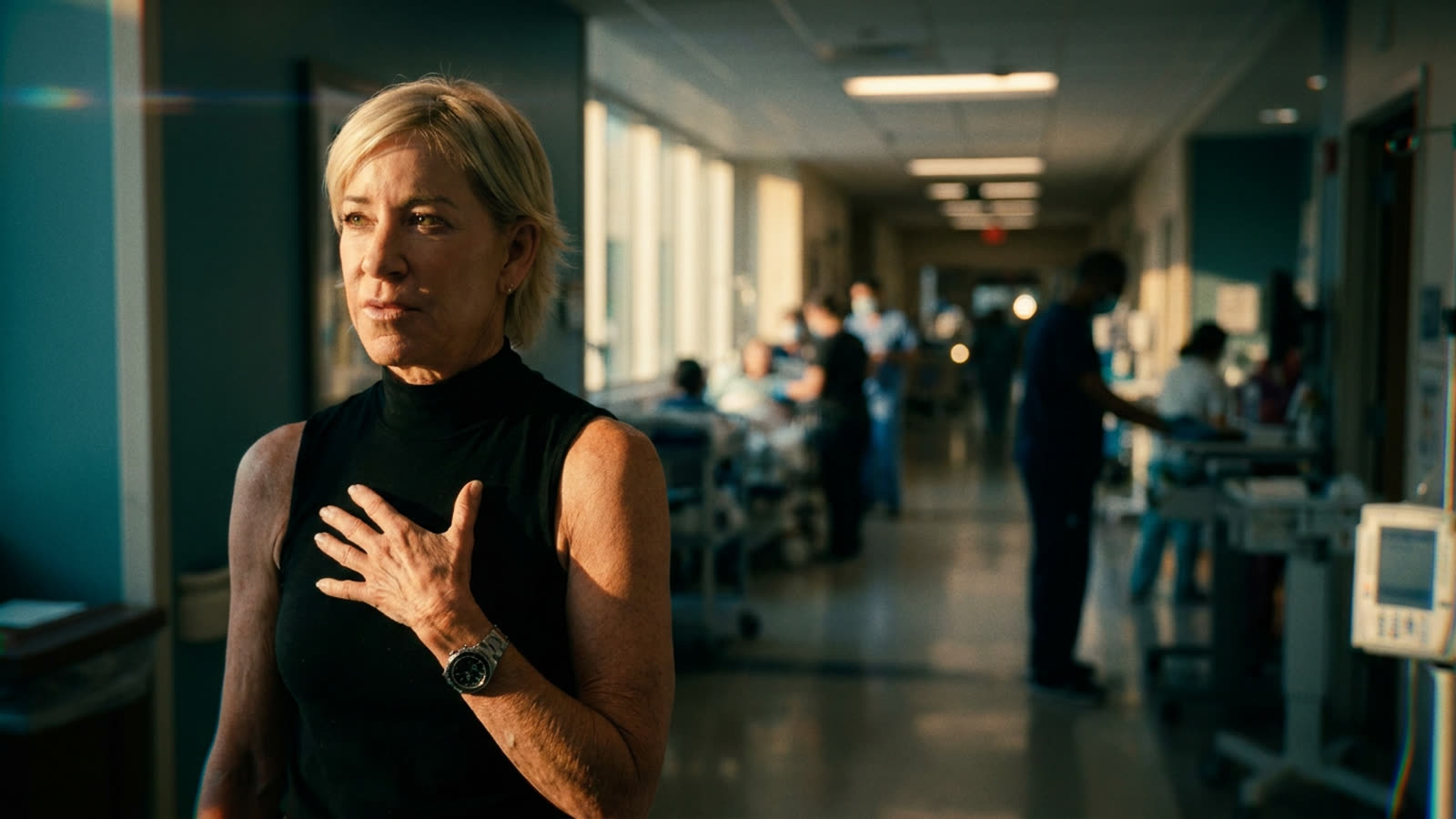
There is a particular kind of authority that comes from having dominated a sport so completely that your name becomes synonymous with excellence, and then choosing to spend that capital on something far more vulnerable than victory laps. Chris Evert, who turned seventy last December and who won more major singles titles than any American woman in tennis history, has been doing exactly that since her ovarian cancer diagnosis in late 2021.
The timing of her renewed visibility this week—appearing at various tennis events and speaking engagements as Wimbledon approaches—offers a useful reminder that celebrity health disclosures exist on a spectrum from performative to genuinely useful. Evert has landed firmly on the latter end.
The BRCA conversation she forced
When Evert went public with her diagnosis, she did something unusual: she named the genetic mutation responsible. She carries BRCA1, the same gene variant that prompted Angelina Jolie's preventive surgeries in 2013. But where Jolie's disclosure sparked a brief media frenzy, Evert has pursued something more sustained—a years-long campaign to get women, particularly those with family histories of breast or ovarian cancer, tested for BRCA mutations.
The approach is characteristically methodical. Evert's younger sister Jeanne died of ovarian cancer in 2020, and it was only after that loss that Chris discovered her own genetic risk. She has been blunt about this failure of medical communication, noting that earlier testing might have saved her sister's life and caught her own cancer sooner. Her remission, achieved after chemotherapy in 2022, has held.
Why athletes make effective advocates
There is something counterintuitive about elite athletes becoming health advocates. Their bodies have been instruments of extraordinary performance; illness represents a kind of betrayal of the central narrative. But this tension is precisely what makes figures like Evert effective. She spent decades projecting invincibility on clay courts from Paris to Rome. Admitting vulnerability now carries weight that a civilian disclosure simply cannot match.
Evert has also avoided the trap that snares many celebrity health advocates: she has not made her diagnosis primarily about herself. Her public statements consistently redirect toward actionable information—get tested, know your family history, advocate for yourself with doctors who may dismiss concerns.
Our take
The sports world excels at celebrating champions and largely ignores them once they stop winning. Evert's post-competitive career could have consisted entirely of commentary gigs and corporate appearances. Instead, she has leveraged her platform for something genuinely difficult: talking about mortality, genetics, and the failures of a medical system that still catches too many cancers too late. It is not the legacy anyone would choose, but it may prove more valuable than another trophy.