Professional sports leagues sell access. Television contracts, sponsorship deals, and the entire apparatus of modern fandom depend on a steady stream of postgame quotes, locker-room reaction shots, and the theater of accountability that unfolds when a reporter shoves a microphone toward a sweaty athlete. The NHL just reminded everyone that this access is not optional.
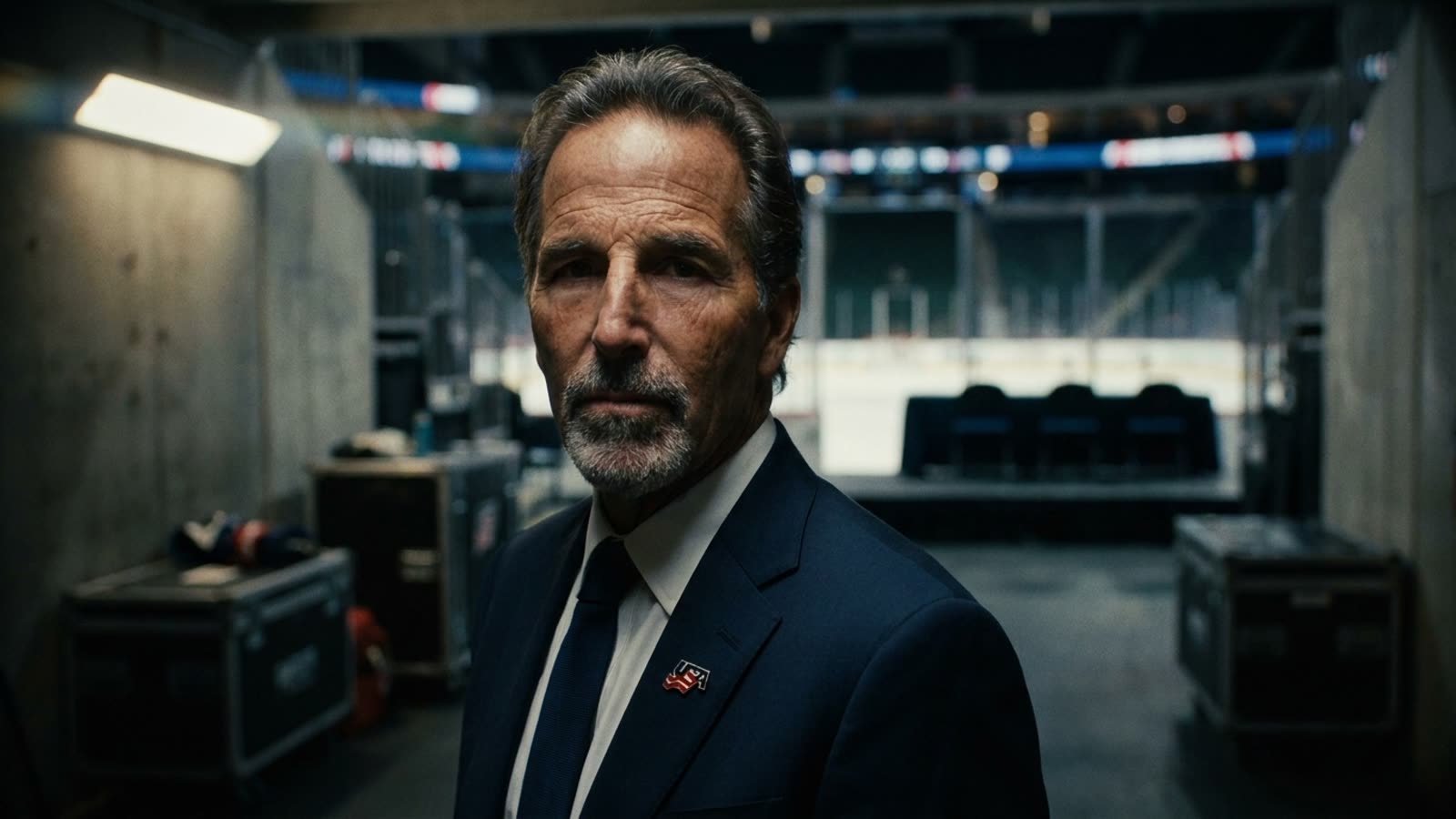
The Golden Knights' decision to avoid media availability after clinching their playoff series against the Ducks seemed, at first glance, like a minor act of defiance—the kind of thing a team might try when riding high on a win and annoyed by repetitive questions. Instead, it triggered one of the most punitive responses the league has issued for a media-access violation: the loss of a second-round draft pick and a $100,000 fine for head coach John Tortorella.
The Tortorella factor
If any coach was going to test the boundaries of media obligations, it was always going to be Tortorella. His combative relationship with reporters is legendary, a feature of his tenure rather than a bug. But the NHL's response suggests the league views this not as a personality quirk but as a systemic threat. Draft picks are the currency of franchise-building; stripping one sends a message that travels far beyond Vegas.
The timing matters too. The Knights are a contending team with playoff aspirations, and second-round picks—while not premium assets—have produced meaningful NHL talent. This is not a slap on the wrist.
Why leagues protect the press
Media access clauses exist in collective bargaining agreements and league bylaws for a reason that has nothing to do with journalism as a public good. They exist because broadcasters pay billions for content, and content requires storylines. A silent locker room is a dead broadcast. The NHL, still fighting for attention in a crowded American sports market, cannot afford teams opting out of the narrative economy.
The punishment also serves as a warning to other franchises that might consider similar tactics during high-pressure moments. Playoff hockey is emotional, and coaches frequently bristle at questioning. The league has now established that bristling has a price.
Our take
There is something faintly absurd about a professional sports league treating a media blackout with the severity usually reserved for salary-cap violations. But the absurdity is the point. The NHL is a business that sells drama, and drama requires dialogue. Tortorella can scowl all he wants, but the league has made clear that silence is not an option—at least not one Vegas can afford.