The NFL generates more revenue than any sports league on earth, yet its players routinely compete on surfaces that would be rejected by international soccer's governing body. Now the NFLPA is done being polite about it.
JC Tretter, the union's executive director of player health and former Browns center, pointed to FIFA's preparations for the 2026 World Cup as exhibit A. The organization is installing temporary grass systems over existing artificial turf at several NFL stadiums hosting matches, essentially admitting what players have argued for years: synthetic surfaces are inferior for elite athletic competition. "They're rolling out the green carpet," Tretter said. The implication was clear—why can't the league that prints money do the same?
The injury data is damning
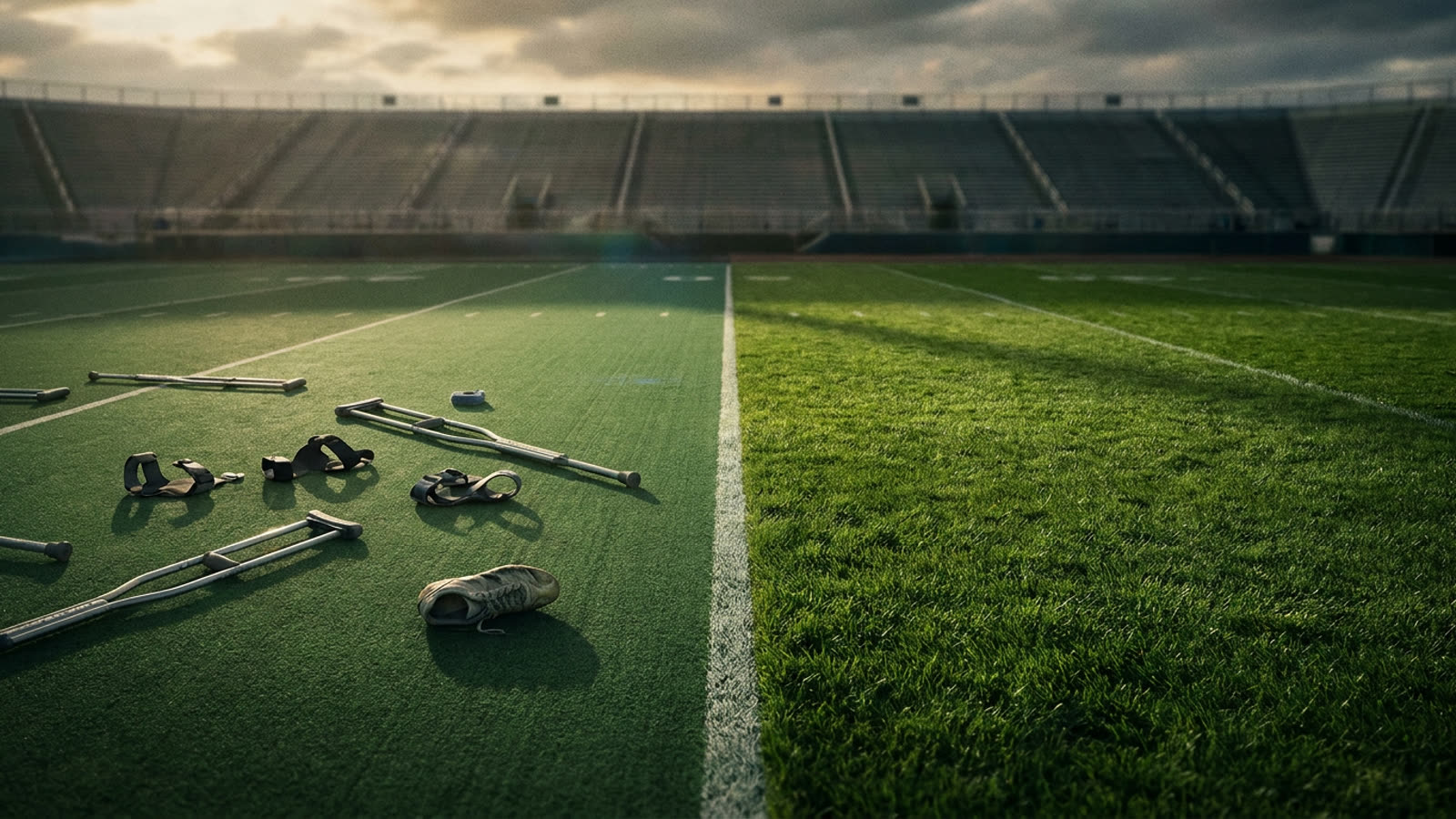
This isn't aesthetic preference. The NFLPA's own research has consistently shown elevated injury rates on artificial turf, particularly for non-contact lower-body injuries—the ACL tears and ankle sprains that end seasons and careers. A 2023 union study found players were 28 percent more likely to suffer non-contact lower extremity injuries on synthetic surfaces. The league has disputed the methodology, but the players experiencing the injuries are unconvinced by statistical quibbles.
Currently, 14 of 30 NFL stadiums use artificial turf. The reasons are familiar: cost, maintenance, climate, and the multipurpose nature of modern venues that host concerts, soccer matches, and monster truck rallies between football games. Owners have invested billions in retractable roofs and luxury suites but balk at the operational complexity of maintaining grass.
The World Cup creates awkward optics
FIFA's insistence on grass—and its willingness to fund temporary installations—puts the NFL in an uncomfortable position. MetLife Stadium, SoFi Stadium, and others will showcase immaculate natural playing surfaces for global audiences this summer, then revert to the synthetic turf that NFL players have called a workplace hazard. The contrast will be difficult to spin.
The league has made incremental moves, requiring all teams to use the same brand of artificial turf and funding research into safer synthetic options. But incremental isn't what players want. They want the surface that every other major football code—soccer, rugby, Australian rules—considers the baseline standard for professional competition.
Our take
The NFL's turf problem is a microcosm of its broader labor dynamics: owners optimize for operational convenience and cost control while players absorb the physical consequences. FIFA, for all its corruption and dysfunction, at least recognizes that the playing surface is non-negotiable infrastructure, not a line item to minimize. When soccer's governing body is outperforming you on player welfare, it might be time to reconsider your priorities. The NFLPA should make grass fields a central demand in the next CBA negotiation. The optics of World Cup 2026 give them leverage they haven't had before.