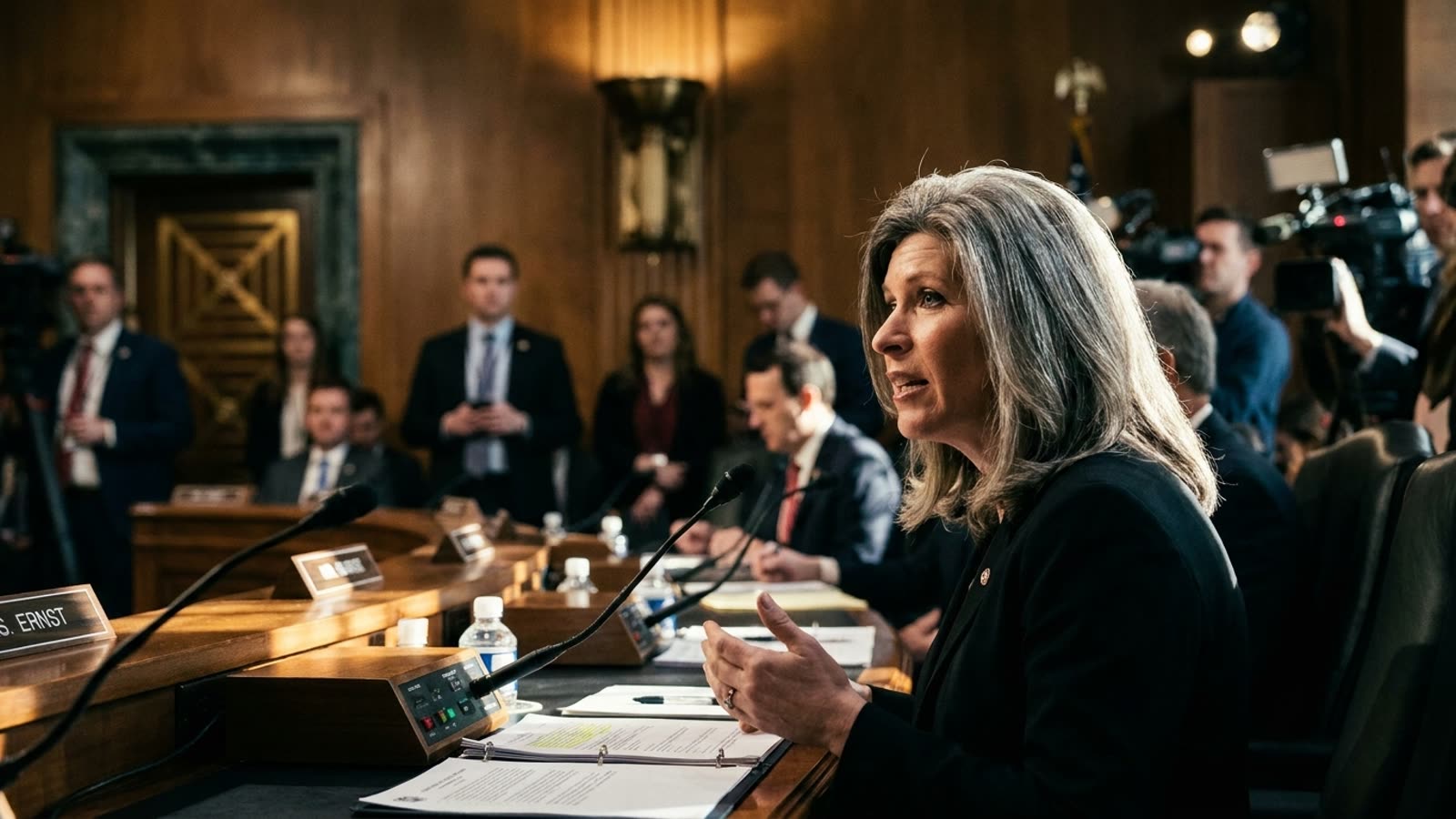
The National Football League has joined a growing coalition urging the Supreme Court to intervene in the prediction markets debate, filing arguments that contracts tied to sporting outcomes constitute gambling rather than legitimate financial instruments. The league's petition arrives at a peculiar moment: prediction markets have never been more mainstream, more liquid, or more legally uncertain.
The NFL's core argument is straightforward enough. When someone bets on whether the Chiefs will cover the spread, that's gambling. When someone buys a contract on Kalshi or Polymarket that pays out if the Chiefs win, that's... also gambling, the league contends, just with fancier paperwork. The Commodity Futures Trading Commission has taken a different view, approving certain event contracts as legitimate derivatives. The resulting regulatory confusion has created a shadow industry worth billions.
The league's real fear
What the NFL doesn't say explicitly but clearly believes: prediction markets threaten the carefully constructed edifice of legal sports betting that the league has spent years cultivating. Since the Supreme Court struck down the federal sports betting ban in 2018, the NFL has partnered with sportsbooks, integrated betting lines into broadcasts, and generally embraced gambling as a revenue stream it can control. Prediction markets operate outside that ecosystem. They're decentralized, often offshore, and increasingly crypto-native. The league can't extract partnership fees from a smart contract.
The petition also raises integrity concerns—the specter of players or officials trading on inside information. This is not an idle worry. Prediction markets on everything from injury reports to play-calling could create perverse incentives that traditional sportsbooks, with their compliance departments and league relationships, are better positioned to police.
Why the court might not cooperate
The NFL is asking the Supreme Court to do something courts generally resist: draw a bright definitional line in a rapidly evolving technological space. Prediction markets exist on a genuine continuum. A contract on whether it will rain tomorrow is clearly not gambling. A contract on whether Patrick Mahomes throws for 300 yards is clearly adjacent to it. But what about a contract on Super Bowl television ratings? On stadium attendance? On whether a coach gets fired? The NFL wants the court to say "gambling" without providing a limiting principle.
There's also the awkward matter of the court's recent deregulatory mood. The same justices who just expanded executive authority over federal agencies might not be eager to hand those agencies more power to classify financial instruments. The CFTC's jurisdiction over event contracts has always been contested; a ruling that prediction markets are gambling could perversely strengthen the agency's hand by forcing clearer congressional action.
Our take
The NFL is fighting the last war. Prediction markets aren't going away—they're going on-chain, going global, and going mainstream regardless of what American courts decide. The league's petition reads like an attempt to preserve a regulatory moat around its sportsbook partnerships rather than a principled stand on gambling's harms. If the Supreme Court takes the case and actually defines what prediction markets are, the NFL might discover it has accidentally created the legal clarity the industry has been craving. Sometimes the best way to legitimize something is to force the highest court in the land to take it seriously.