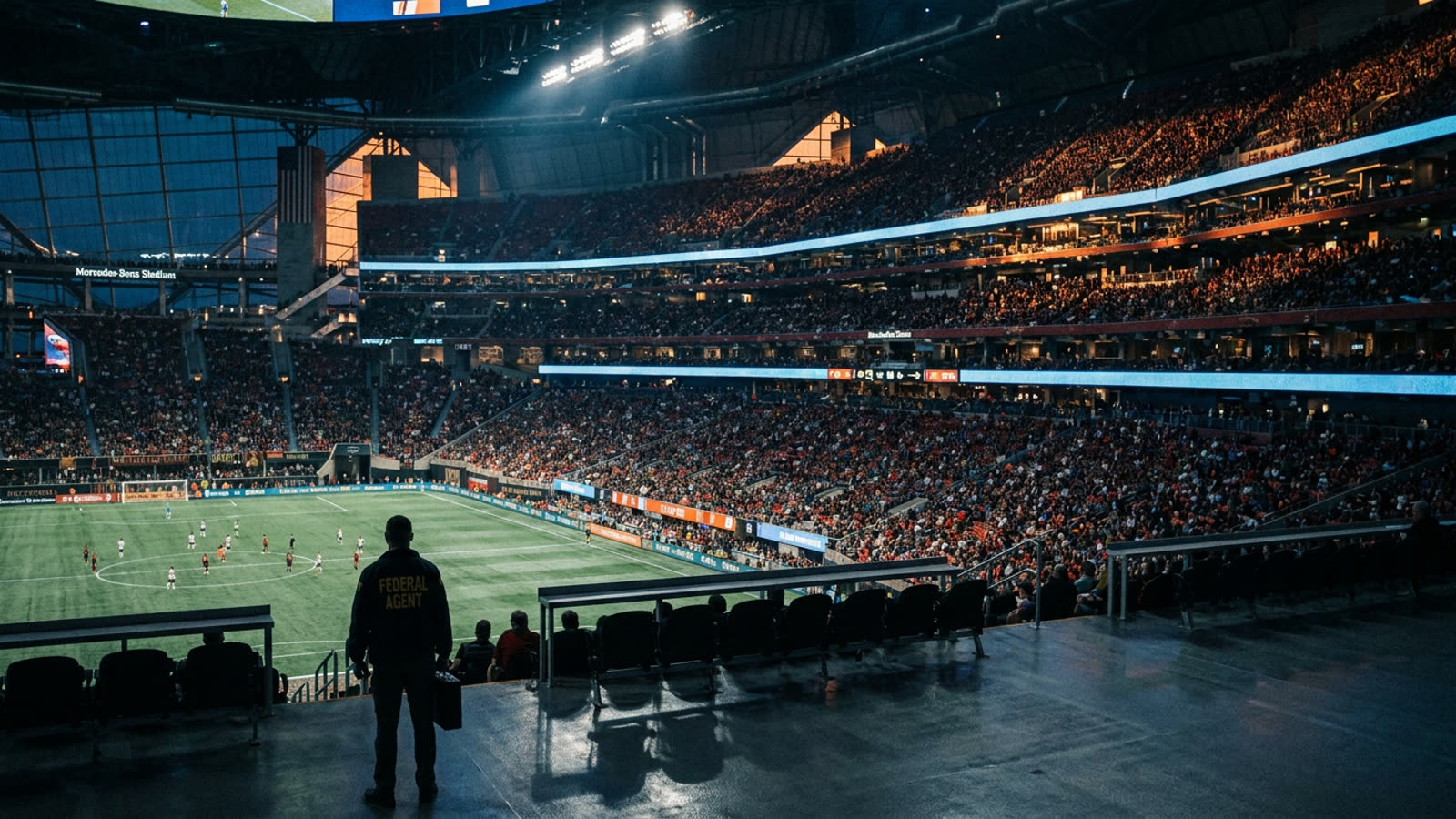
FIFA's carefully orchestrated American charm offensive just encountered its first serious turbulence. Federal authorities have issued a subpoena to world soccer's governing body over its ticket distribution practices for the 2026 World Cup, according to sources familiar with the investigation. The probe centers on whether FIFA's exclusive ticketing arrangements violate U.S. antitrust laws.
The monopoly question
The subpoena specifically targets FIFA's longstanding practice of controlling all World Cup ticket sales through its own platforms and selected partners. Unlike major American sports leagues that allow secondary market competition, FIFA maintains iron-fisted control over who can sell tickets and at what prices. This model has worked in Qatar and Russia, but American regulators play by different rules.
The timing is particularly awkward. With the tournament just over a year away and matches spread across the United States, Canada, and Mexico, FIFA needs smooth relations with American authorities. The organization has spent years cultivating political goodwill, moving key operations to Miami and promising an economic bonanza for host cities.
Why this matters now
The investigation reflects a broader shift in how American regulators view international sports organizations. The Department of Justice's successful prosecution of FIFA officials a decade ago established that soccer's governing bodies aren't immune from U.S. law when operating on American soil. This new probe suggests authorities are expanding their scrutiny beyond corruption to commercial practices.
For fans, the stakes are immediate. FIFA's ticketing monopoly has historically meant higher prices, limited availability, and byzantine purchasing processes. If regulators force changes, it could reshape how tickets are distributed for what's expected to be the most attended World Cup in history.
Our take
FIFA walked into this trap with eyes wide open. The organization's European-style monopolistic practices were always going to clash with American antitrust sensibilities. The real question isn't whether FIFA will have to adapt its ticketing model, but how much ground it's willing to cede. Smart money says FIFA makes cosmetic changes while maintaining effective control. But if regulators push hard enough, we might actually see a World Cup where getting tickets doesn't require navigating FIFA's digital labyrinth.