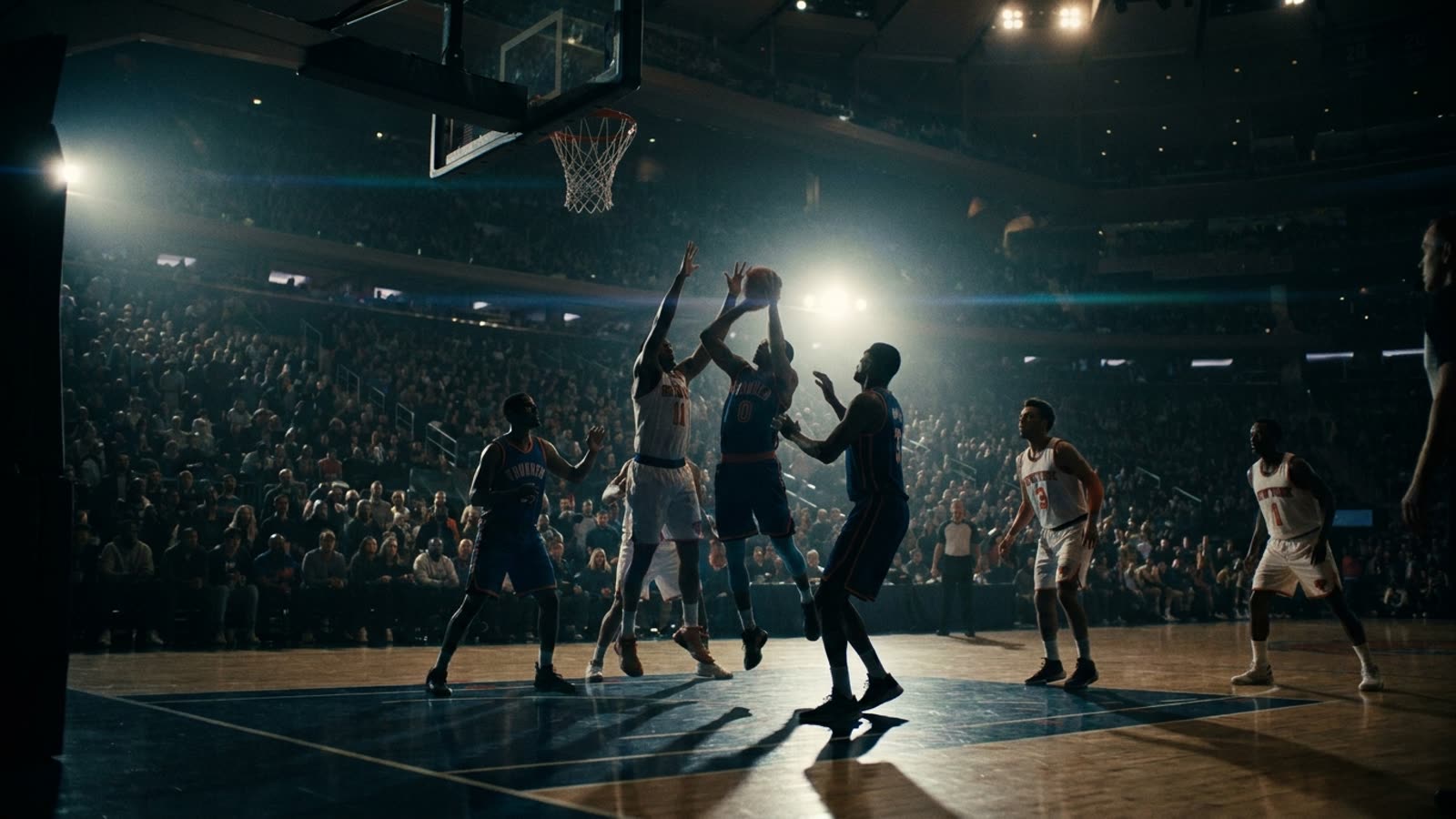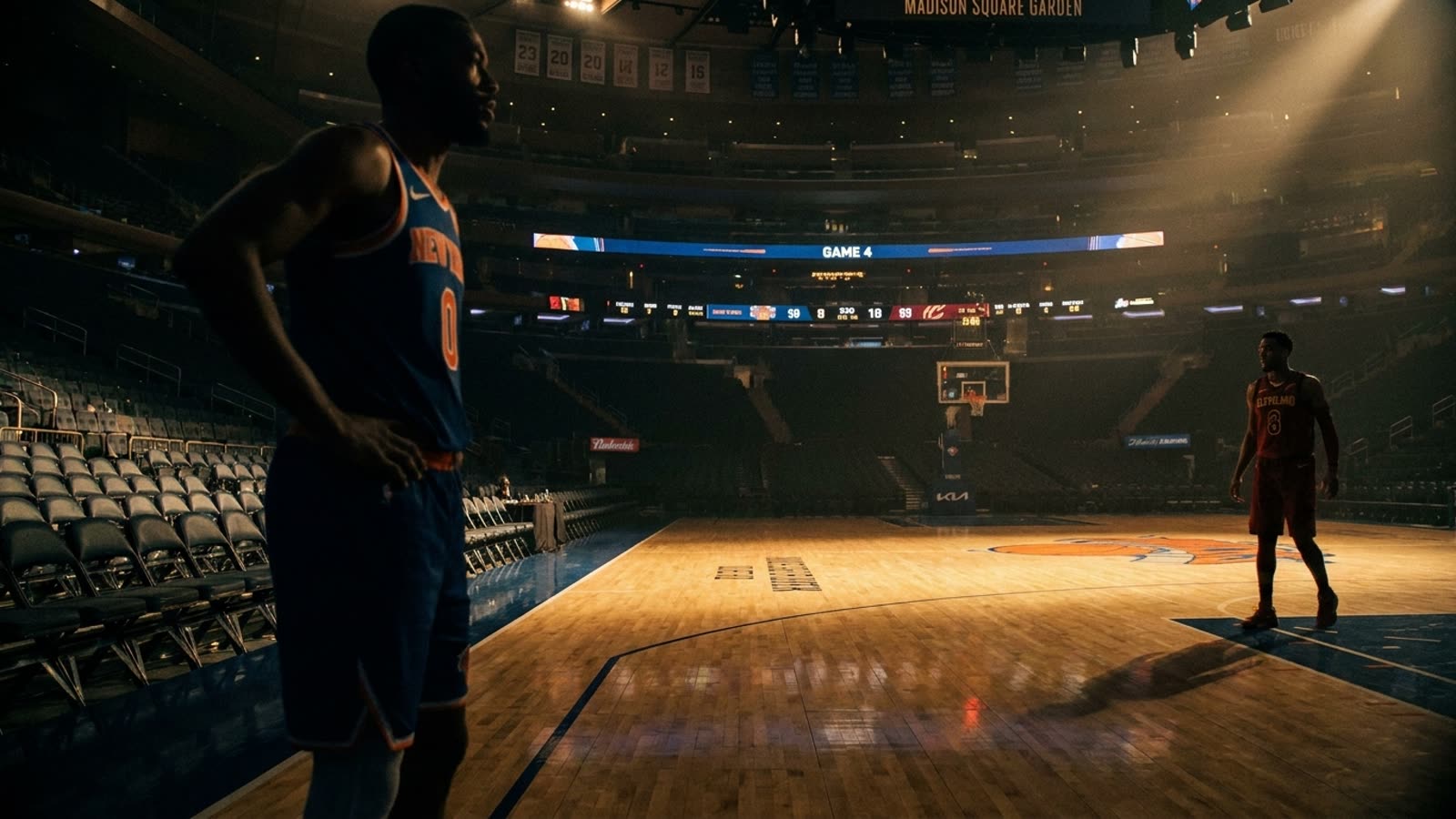
The games haven't ended, but the real competition has already begun. While the Knicks and Spurs battle for conference supremacy, general managers across the league are running scenarios on their whiteboards, and the names keep coming back to the same handful of disgruntled stars and expiring contracts.
This offseason promises to be the most volatile since the 2019 free agency frenzy that sent Kawhi Leonard to the Clippers and Kevin Durant to Brooklyn. The difference now is that the trade market, not free agency, will drive the chaos. Teams have learned that max contracts in July often age poorly by December; acquiring known quantities via trade, even at premium prices, has become the preferred path to contention.
The Kyrie question persists
Kyrie Irving's situation in Dallas remains the league's most fascinating soap opera. The Mavericks' early playoff exit has rekindled questions about whether Irving and Luka Dončić can coexist as co-alphas, and Irving's player option creates genuine uncertainty. A sign-and-trade would give Dallas something rather than nothing, and suitors are already lining up.
Miami makes basketball sense—Irving alongside Jimmy Butler would create a two-man wrecking crew in crunch time—but the Heat's financial constraints make the math brutal. Phoenix remains interested despite last summer's near-miss, though the Suns would need to move significant salary to make room. The dark horse? The Lakers, perpetually desperate for a third star next to LeBron James and Anthony Davis, though that pairing's previous Brooklyn iteration ended in spectacular failure.
Memphis at a crossroads
Ja Morant's trade candidacy feels both inevitable and premature. The Grizzlies have invested enormous organizational capital in rehabilitating his image after the gun incidents, and trading him now would represent an admission that the project failed. Yet Memphis's front office must weigh loyalty against roster construction: Morant's explosiveness hasn't translated to playoff success, and his injury history raises legitimate durability concerns.
The asking price would be astronomical—multiple first-round picks plus a young cornerstone—and few teams can meet it without gutting their own futures. Sacramento has been mentioned, which would create the most entertaining backcourt in the league alongside De'Aaron Fox, but the Kings' recent competence makes them reluctant to mortgage tomorrow for today.
The OKC stunner that won't happen
The most intriguing proposal floating around league circles involves Oklahoma City moving Chet Holmgren for an established two-way wing. This is, to be clear, organizational malpractice masquerading as boldness. Holmgren's defensive versatility and offensive ceiling make him exactly the kind of player you build around, not the kind you trade for marginal playoff upgrades.
Sam Presti has spent a decade accumulating assets precisely so he wouldn't need to make desperate win-now moves. The Thunder's current trajectory—young, cheap, improving—is the envy of the league. Trading Holmgren would be the basketball equivalent of selling Apple stock in 2010 because you wanted a nicer car.
Our take
The most likely outcome is that none of these blockbusters materialize. NBA trades are discussed constantly and executed rarely; front offices love exploring options without committing to them. But the mere existence of these conversations reveals something important about the league's current state: the middle class is dying. Teams are either all-in on contention or deliberately rebuilding, and the players caught between those poles—the Irvings and Morants and Georges—will keep cycling through rosters until they find the right fit or age out of superstardom entirely. The NBA's parity era has created a paradox: more teams believe they can win, which means more teams are willing to make aggressive moves, which means more stars will change addresses. The instability is the feature, not the bug.