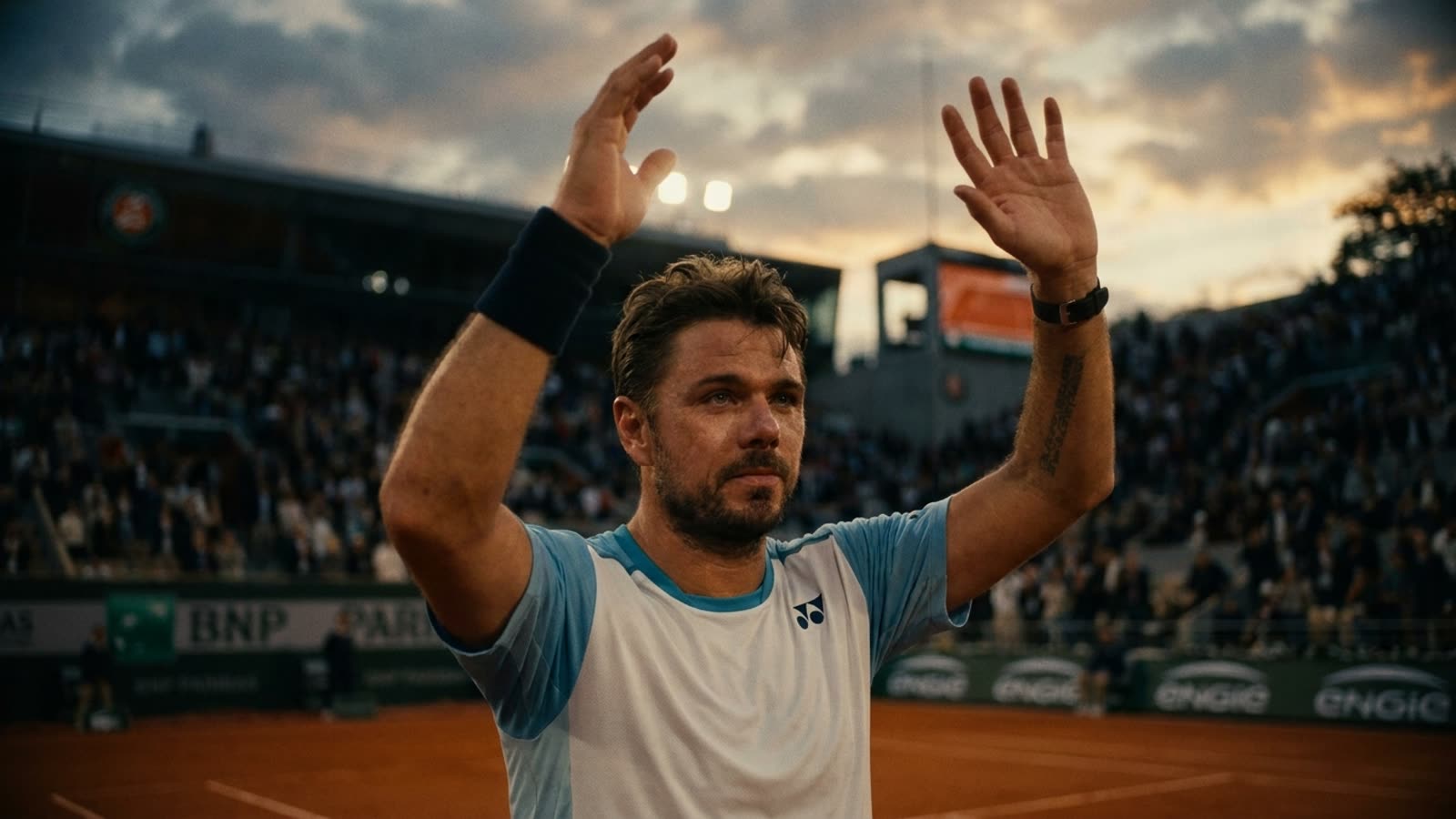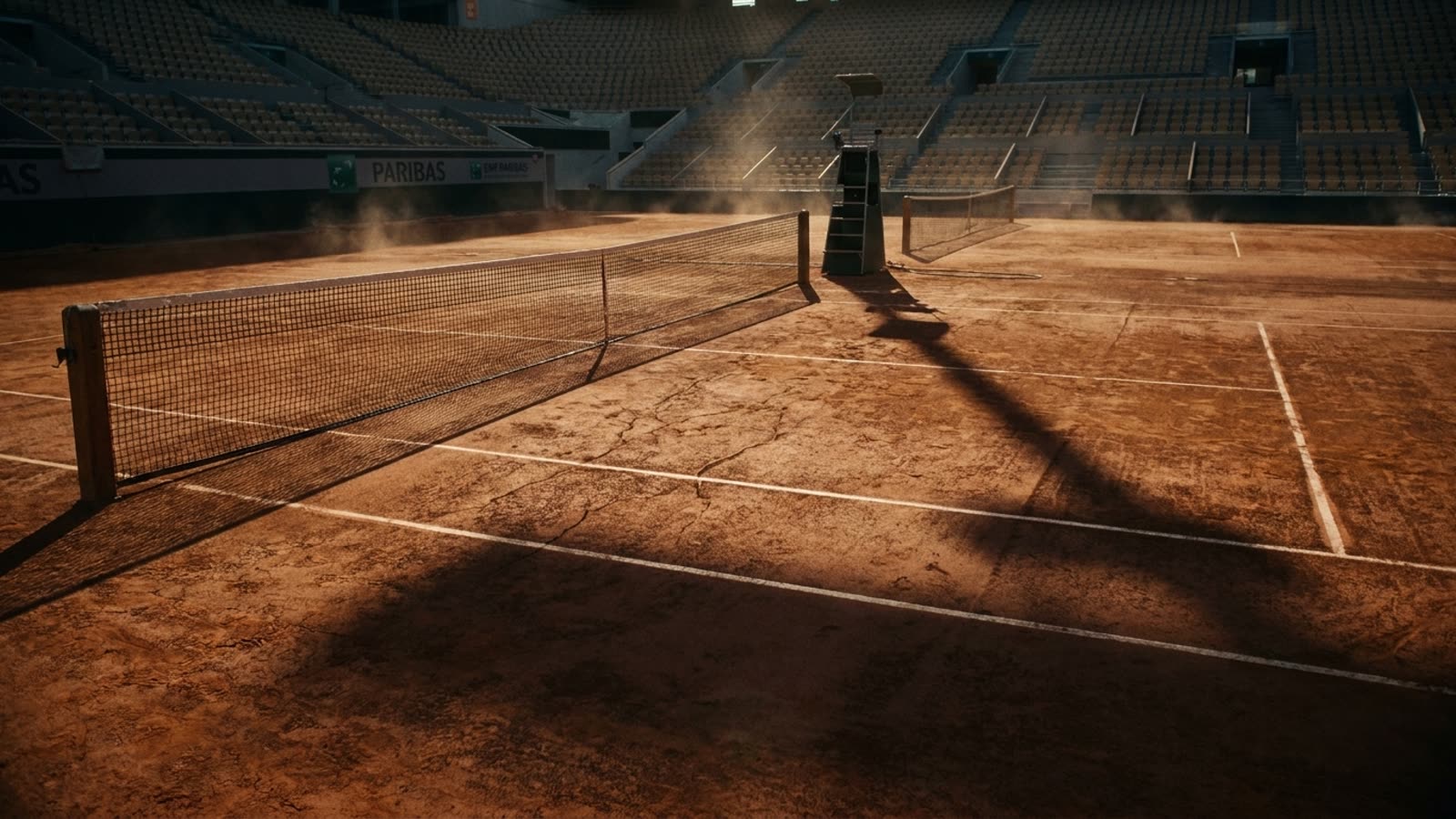
The French Open has always sold itself as tennis's great equalizer—the tournament where power dies in the red dirt, where patience outlasts pyrotechnics, where baseline grinders feast on the bones of serve-and-volleyers. This year, the clay is telling a different story.
A punishing heat wave has descended on Paris, baking the Roland-Garros courts into something approaching hardcourt speed. Ball bounce is lower, skid is faster, and the famous Parisian dirt—that romantic surface that was supposed to slow everything down—is behaving like a traitor to its own legend. The implications ripple through every draw.
The physics of hot clay
Clay courts derive their distinctive character from moisture. Water in the surface creates friction, slowing the ball and producing that high, loopy bounce that rewards topspin and punishes flat hitters. Remove the moisture, and the equation inverts. The ball stays low, skips through the court, and rewards aggressive first-strike tennis—precisely the opposite of what clay is supposed to do.
Tournament officials have increased watering between matches, but the ambient heat evaporates their efforts within minutes. Players are reporting that afternoon sessions feel closer to the US Open than to any French Open in memory. The baseline rallies that typically define this tournament are being truncated by balls that die on contact.
Winners and losers in the new conditions
The shift advantages flat hitters and big servers—players who would normally struggle in Paris. Conversely, the classic clay-court specialists, those who built their games around heavy topspin and marathon rallies, are finding their primary weapons neutralized. The tournament's traditional narrative—that this is where the grinders make their stand—is being rewritten in real time.
Scheduling has become a strategic variable. Players with morning matches face different physics than those playing in the afternoon furnace. The randomness of the draw has acquired a meteorological dimension.
Our take
Tennis has always been a sport of surfaces, and surfaces have always been subject to conditions. But there's something almost philosophical about watching the French Open's identity dissolve under climate pressure. Roland-Garros built its brand on being the slow major, the patient major, the major that rewarded a particular kind of tennis intelligence. This year, Paris is just another fast court with better wine. The dirt remains red, but the mythology is bleaching in the sun.