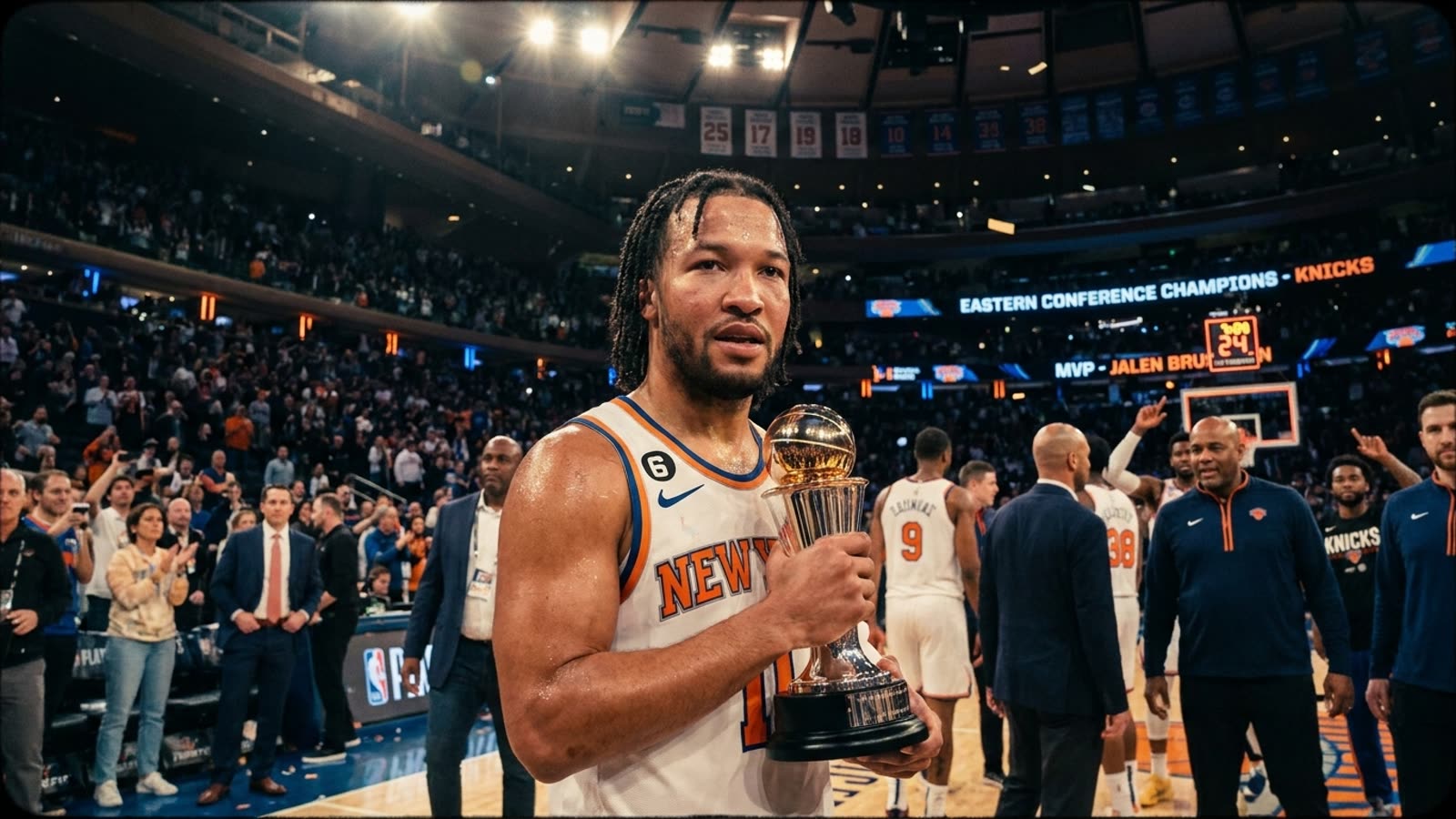
The games are easy compared to what comes next. As the Knicks and their Western Conference counterpart prepare for the Finals, fourteen other playoff teams enter the more treacherous arena of NBA roster construction—where general managers must balance impatient ownership, aging stars, and a salary cap that punishes hesitation and rewards conviction in equal measure.
The eliminated teams fall into roughly three categories: contenders who came up short, middle-class franchises stuck in competitive purgatory, and rebuilding projects that overachieved. Each requires a different surgical approach, and history suggests most will choose wrong.
The contenders' dilemma
Cleveland's sweep at the hands of New York exposed a roster construction problem that cap gymnastics alone cannot solve. The Cavaliers have talent, but their playoff ceiling appears fixed without a true perimeter creator who can generate offense in the half-court against elite defenses. The question is whether Donovan Mitchell, entering his prime years, has the patience for incremental improvement—or whether Cleveland faces the familiar specter of a star requesting a change of scenery.
Boston and Denver, recent champions both, must decide whether to run back cores that fell short or begin the painful process of succession planning. The Celtics' tax bill makes even minor moves consequential, while Denver's Nikola Jokić window remains open but not indefinitely. Championship windows in the modern NBA average roughly four years. Both teams are past the midpoint of theirs.
The middle-class trap
More perilous than losing in the second round is the fate awaiting teams like Miami, Phoenix, and the Lakers—franchises too good to tank, too flawed to contend, and too expensive to easily reshape. The Heat's culture can only extract so much from a roster that lacks top-end talent. Phoenix's star-heavy construction left no margin for error, and error arrived. Los Angeles continues to build around LeBron James, now 41, a strategy that resembles renovating a house while the foundation shifts.
These teams face the cruelest math in professional sports: the picks that could transform their futures were traded years ago for players who delivered diminishing returns. The path forward involves either patience their markets won't tolerate or trades that require finding a dance partner equally desperate.
The draft as false prophet
Teams that missed the playoffs entirely will pin hopes on June's draft, but the lottery is a poor substitute for organizational competence. For every franchise that landed a transformative talent, three others selected busts who set their timelines back years. The 2026 class offers no consensus generational prospect, meaning teams picking in the middle of the first round face the familiar gamble of projection over production.
Our take
The NBA's offseason theater will generate breathless trade speculation and free agency tracking, but the unglamorous truth is that most franchises will emerge from summer in roughly the same competitive position they entered it. The league's structure rewards patient accumulation of assets and punishes the desperation moves that make for good content. The teams that improve most will likely be the ones that resist the urge to do something dramatic simply because the cameras are watching.