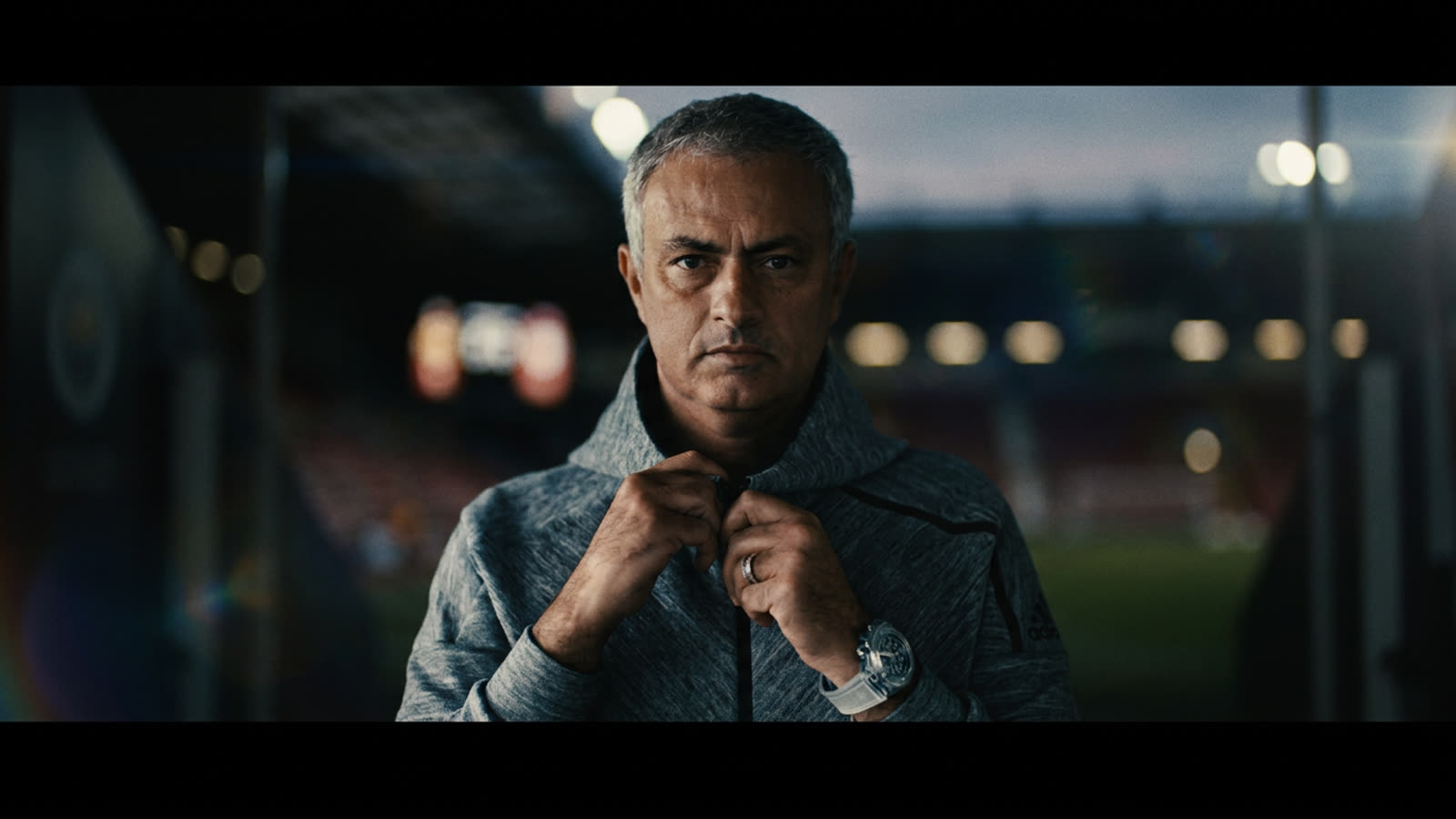
José Mourinho has never been accused of subtlety, and his confirmation on Saturday that agent Jorge Mendes is in active discussions with Real Madrid follows the pattern perfectly. The 63-year-old announced the news himself, promising a decision "next week"—a timeline that suggests negotiations are further along than the careful phrasing implies.
The prospect of Mourinho returning to the club where he won La Liga, the Copa del Rey, and reached three consecutive Champions League semi-finals between 2010 and 2013 is both nostalgic and unsettling. His first Madrid tenure was defined by brilliance and chaos in equal measure: a record 100-point league campaign alongside public feuds with Iker Casillas, Sergio Ramos, and the Spanish football establishment. He left having broken Barcelona's stranglehold on domestic football but having also fractured the dressing room.
Why Madrid might want him back
Real Madrid's post-Carlo Ancelotti era has been marked by transition anxiety. The club's identity crisis—caught between the galáctico model and modern pressing football—has produced inconsistent results despite continued spending. Mourinho offers something increasingly rare: ideological clarity. His teams defend deep, counterattack with purpose, and treat Champions League knockout rounds as blood sport. For a club that has made the European Cup its raison d'être, that pragmatism holds appeal.
Mourinho's recent years at Roma and elsewhere have been mixed, but his tactical fundamentals remain sharp. The question is whether his confrontational management style can coexist with a squad featuring Jude Bellingham, Vinícius Júnior, and the lingering influence of senior players who remember his first tenure's acrimony.
The risks are obvious
Mourinho's second acts have historically disappointed. His Chelsea return ended in a training-ground mutiny. Manchester United produced an FA Cup and Europa League but also public criticisms of his own players and a toxic final season. Tottenham was worse still. The pattern suggests a manager whose methods, while effective in short bursts, erode squad chemistry over time.
Madrid's current generation of players—younger, more media-savvy, less tolerant of old-school authoritarianism—may prove incompatible with Mourinho's approach. Bellingham, in particular, represents exactly the type of strong-willed star who has clashed with Mourinho before.
Our take
This feels like a marriage of mutual desperation dressed up as destiny. Mourinho needs Madrid to restore his reputation; Madrid needs a manager who can impose order without requiring a multi-year rebuild. The fit is imperfect but comprehensible. If it happens, expect fireworks—the productive kind initially, the destructive kind eventually. Mourinho's Madrid 2.0 would be appointment viewing, which may be precisely the point.