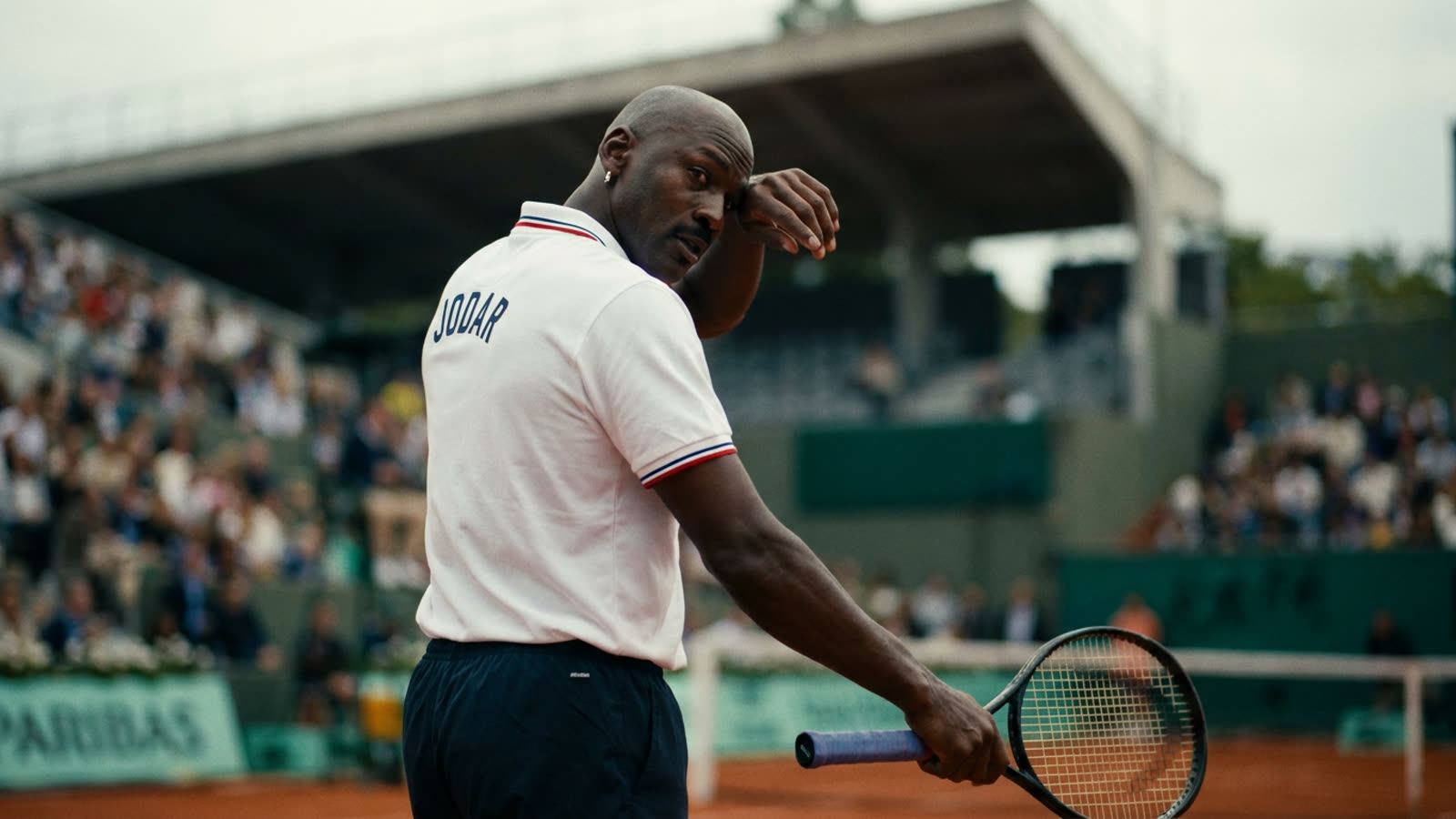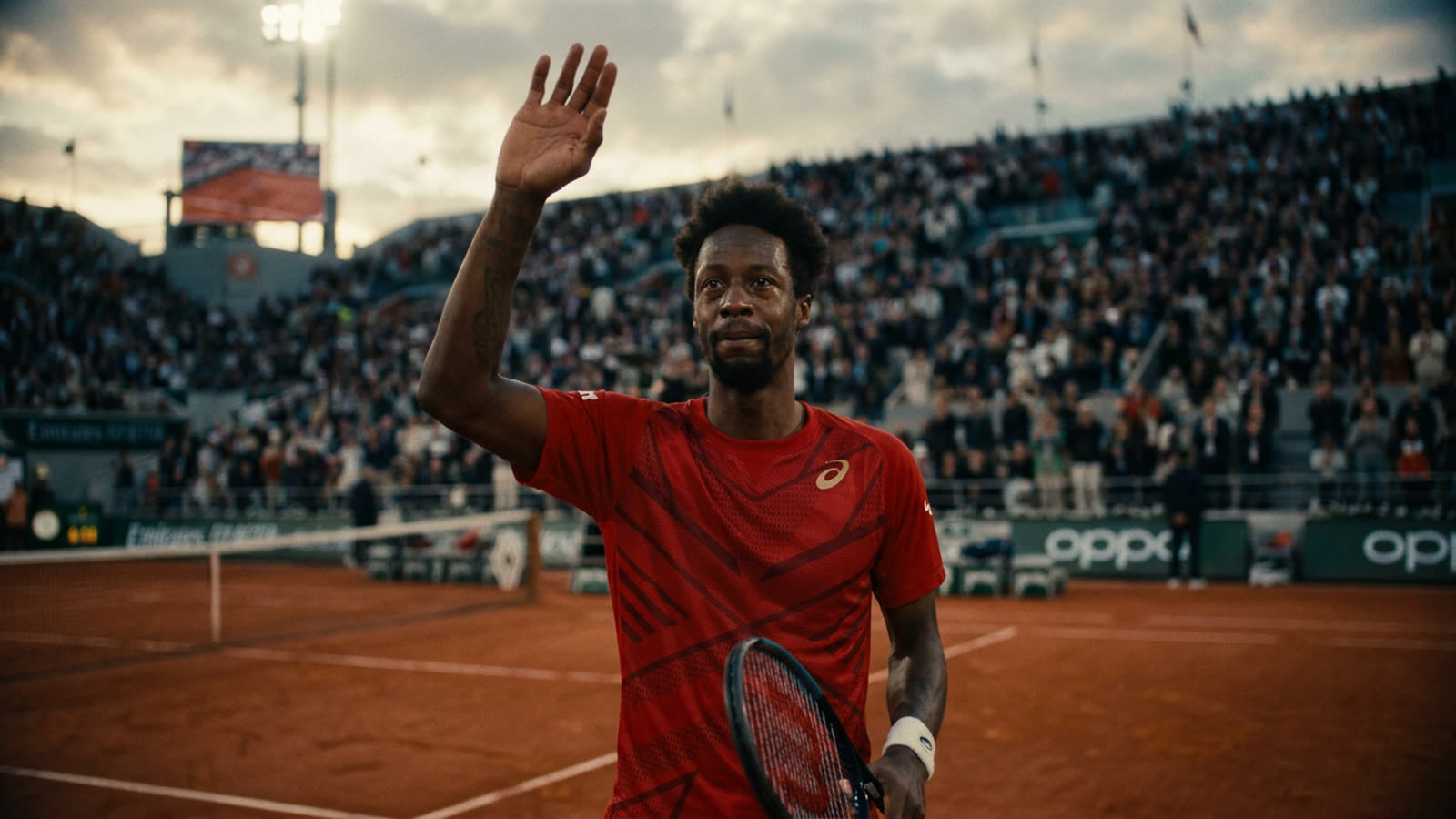
The French Open has always belonged to its champions, but it has also belonged to Gaël Monfils — a man who won zero titles at Roland Garros and yet somehow owned the place.
On Sunday, the 39-year-old played his final match at his home Grand Slam, losing in the early rounds but receiving a sendoff befitting a national treasure. The Parisian crowd, famously difficult and occasionally cruel, gave him what they rarely give anyone: sustained, unironic adoration. For a player whose career was defined by the gap between potential and silverware, the ovation felt like a verdict — and it was a generous one.
The entertainer's burden
Monfils arrived on tour in the mid-2000s as France's great hope, a successor to the lineage of Yannick Noah. He had the athleticism of a decathlete, the hands of a magician, and the court coverage of someone who seemed to find the physics of tennis personally offensive. What he did not have was the ruthlessness required to win Slams. He reached one semifinal at Roland Garros, in 2008, and spent the next two decades being the most watchable player who never quite closed.
But Monfils understood something that his critics did not: entertainment is its own form of excellence. His diving retrievals, his between-the-legs winners, his theatrical interactions with the crowd — these were not distractions from serious tennis. They were serious tennis, redefined. He played the sport as performance art, and he performed it at the highest level for nearly two decades.
A career measured differently
The numbers are respectable but not historic: 11 ATP titles, a career-high ranking of No. 6, a late-career renaissance that saw him win titles into his late thirties. He outlasted contemporaries who burned brighter but faded faster. He married Elina Svitolina, became a father, and somehow kept showing up at Slams when logic suggested he should have retired years ago.
What the numbers miss is the cultural weight. Monfils was the last French male player who could reliably fill Philippe Chatrier Court with something other than anxiety. He gave the home crowd permission to enjoy themselves, which is harder than it sounds in a tennis nation still traumatized by decades of underperformance.
Our take
Monfils will be remembered as a what-if, and that is fine — he seems unbothered by the framing. The more interesting question is what tennis loses with his departure: a reminder that the sport can be joyful, improvisational, and human. The next generation is technically superior and mentally tougher, but none of them make you laugh mid-rally. Monfils did, and the crowd at Roland Garros knew exactly what they were applauding. Not a champion, but something rarer: a player who made watching tennis feel like a privilege.