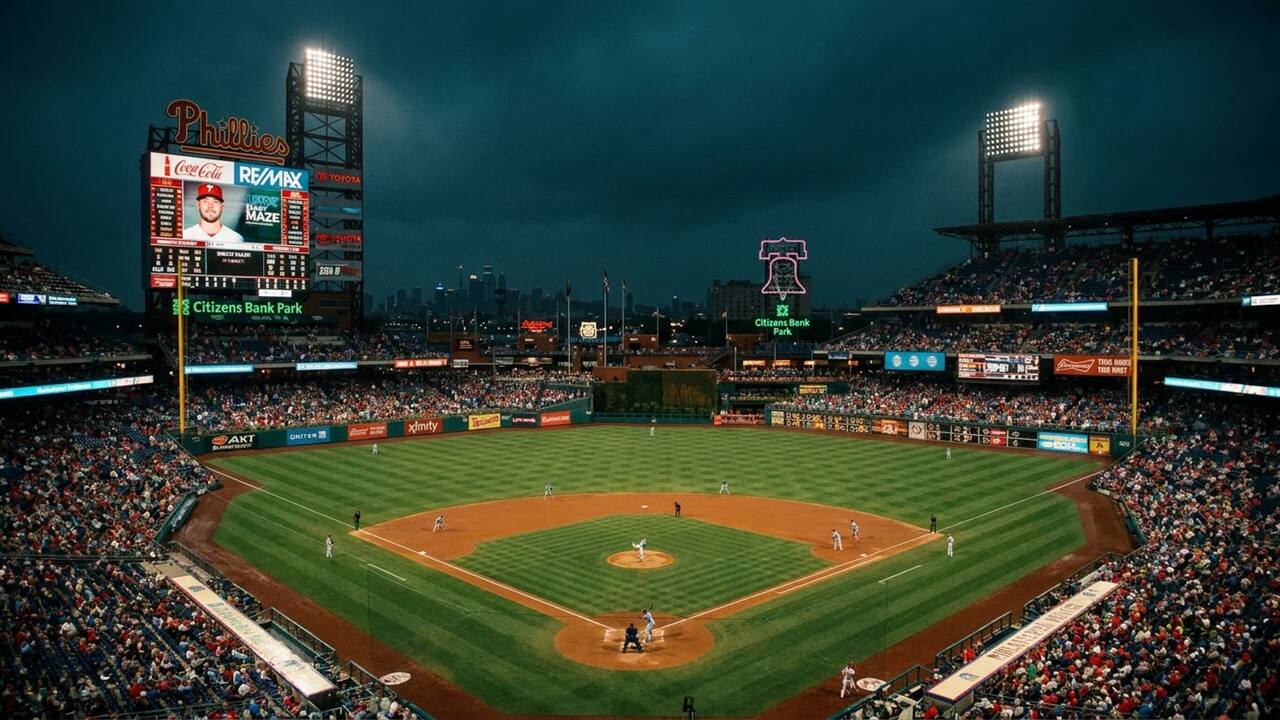
The All-Star Game has become a curious artifact—a mid-July exhibition that nobody quite knows how to value but everyone still argues about. The game itself rarely matters, but the roster construction? That's where baseball's tribal loyalties, statistical feuds, and market-size resentments play out in miniature.
As we approach the 2026 edition, the contours of both leagues' squads are coming into focus, and the conversations they're generating tell us something about where the sport stands right now.
The American League's embarrassment of riches
The AL roster selection has become an exercise in managed disappointment. There are simply too many deserving candidates for too few spots, particularly in the outfield and at designated hitter, where the universal DH has created a logjam of aging sluggers and platoon bats who mash but don't field.
The starting lineup, determined by fan voting, will inevitably include some choices that make the analytics crowd wince. But the reserves—selected by players, managers, and the commissioner's office—offer a window into how the sport's insiders actually evaluate talent. Watch for the pitching selections especially: with workload management now standard practice, the definition of an "All-Star starter" has shifted from innings-eaters to guys who dominate in shorter bursts.
The National League's positional puzzles
The NL presents different challenges. Certain positions are stacked—the catching depth is remarkable this year—while others are thin enough that replacement-level players could theoretically sneak onto the roster through the mandatory representation rule requiring every team have at least one selection.
This rule, designed to maintain fan engagement across all markets, creates the annual spectacle of .240 hitters from losing teams standing alongside MVP candidates. It's democracy at its most awkward, and also at its most American.
The snub industrial complex
The real entertainment begins after the rosters drop. Baseball's snub discourse has become its own cottage industry, with every omission generating content cycles about disrespect, market bias, and the failures of various voting constituencies. Players who miss the cut by the slimmest margins become sympathetic figures; those who make it despite mediocre numbers become villains.
What gets lost is that All-Star selection has always been imprecise, a popularity contest dressed up as meritocracy. The game's most valuable players aren't always its most famous, and fame still moves votes.
Our take
The All-Star Game's identity crisis—too meaningful to ignore, too meaningless to take seriously—mirrors baseball's broader struggle to define itself in an entertainment landscape that rewards constant engagement over seasonal rhythms. The roster debates are more compelling than the game because they're genuinely contentious, while the exhibition itself has been neutered by the (correct) decision to stop letting it determine World Series home-field advantage. Perhaps that's fine. Baseball has always been a sport where the arguments matter as much as the outcomes.