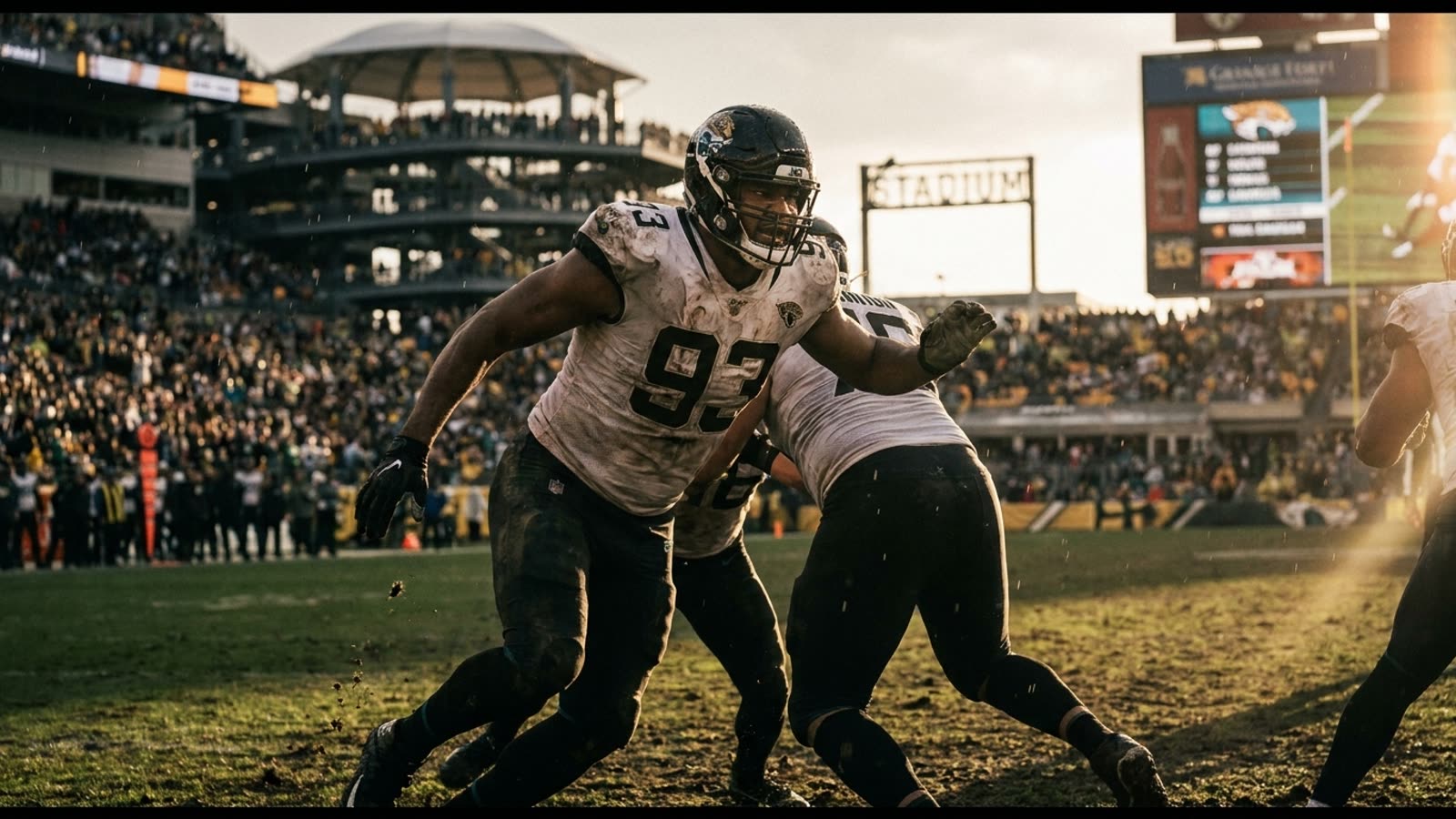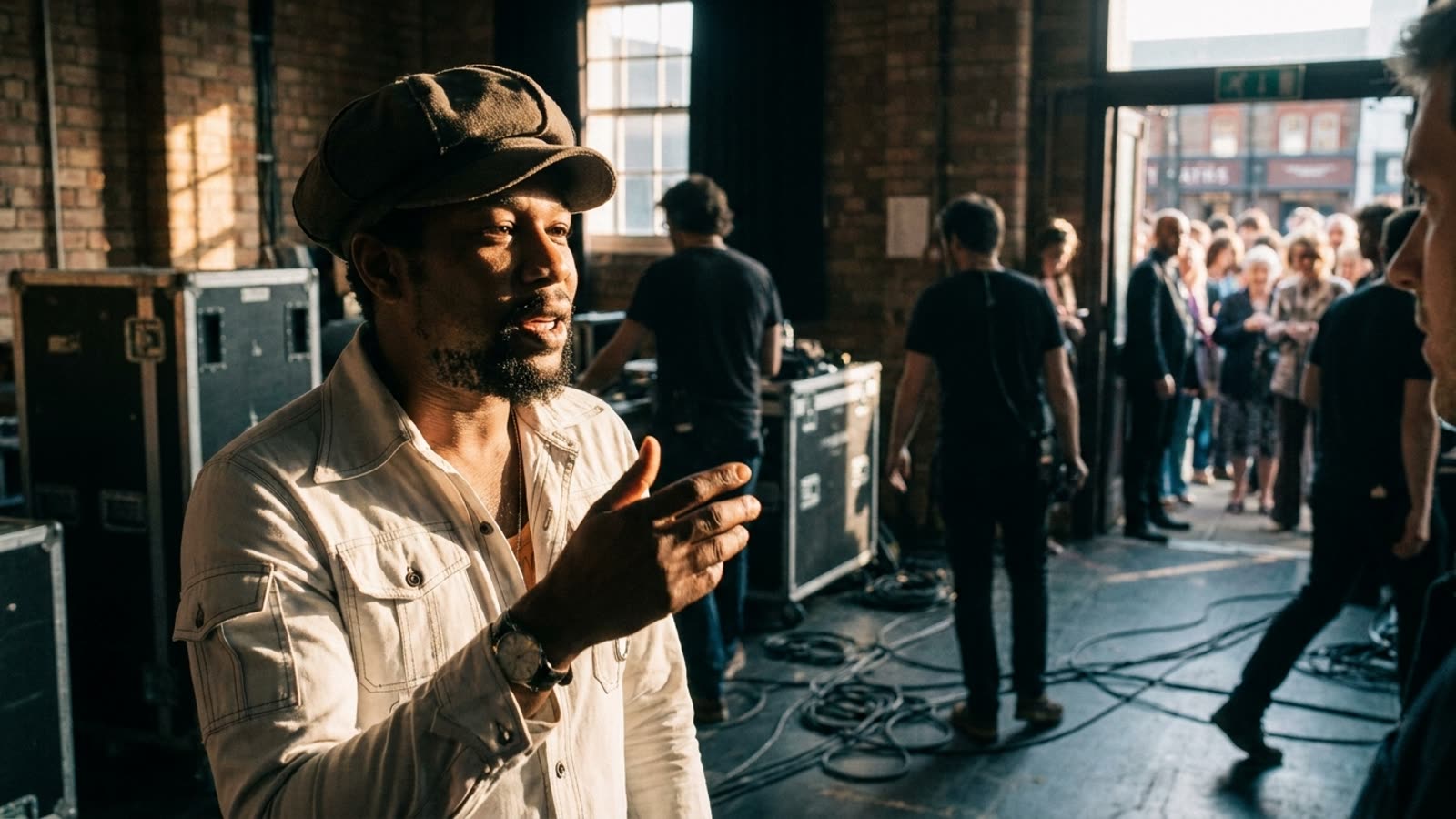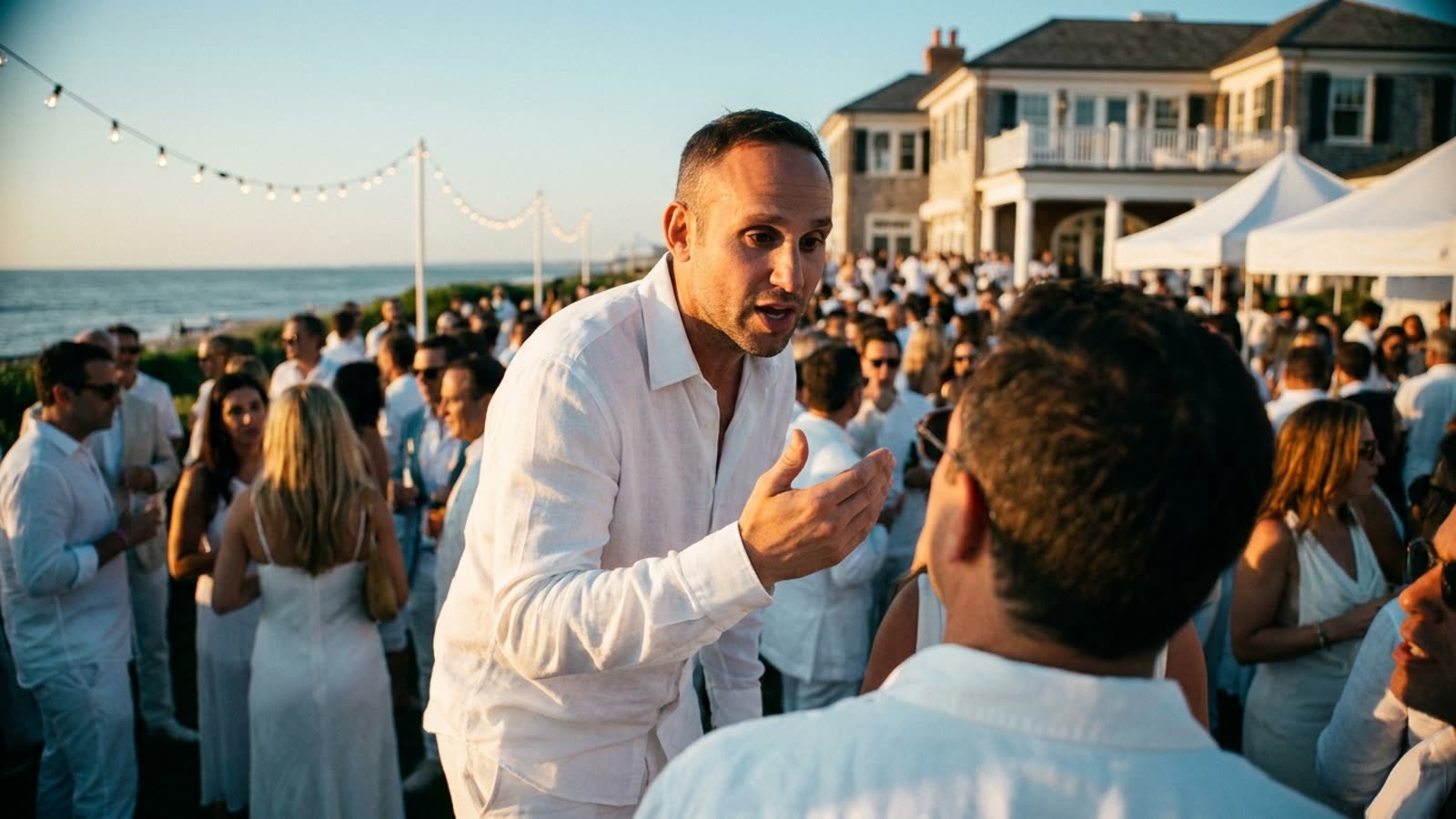
The invitation list for Michael Rubin's annual Fourth of July White Party reads like a hostile merger between Forbes, Billboard, and ESPN — and that collision is precisely the point.
The Fanatics founder has spent the better part of a decade transforming what began as a lavish celebrity gathering into something more consequential: an informal summit where the boundaries between sports, entertainment, and finance dissolve in the salt air of Bridgehampton. This year's iteration, unfolding as America prepares for its 250th birthday weekend, reportedly drew the usual constellation of A-listers, tech founders, and professional athletes, all dressed in the mandated head-to-toe white that photographs so well against Rubin's manicured grounds.
The business of being seen together
What distinguishes Rubin's gathering from the dozens of Hamptons parties competing for social oxygen each summer is its genuine utility. The 52-year-old billionaire has built Fanatics into a sports merchandise and betting empire valued at roughly $31 billion, and he did so partly by understanding that proximity creates opportunity. His party functions as a soft-power accelerator — a place where an NBA star can meet a venture capitalist, where a rapper can pitch a sneaker collaboration, where deals that would take months of formal meetings can be sketched on cocktail napkins.
The guest lists from previous years tell the story: Jay-Z and Jeff Bezos, Tom Brady and Robert Kraft, Kim Kardashian and Elon Musk. These are not random celebrity sightings but curated adjacencies. Rubin, who sold his stake in the Philadelphia 76ers to focus on Fanatics, has positioned himself as a connector-in-chief for a generation of wealth that moves fluidly between industries.
The aesthetic as strategy
The all-white dress code, often dismissed as Instagram fodder, serves a subtler purpose. It flattens hierarchy. When everyone from the hedge fund manager to the TikTok star is wearing the same palette, the visual playing field levels. The uniformity creates a temporary republic of the successful, where the only distinguishing feature is the quality of one's conversation — or the audacity of one's pitch.
This egalitarian costume also photographs extraordinarily well, which matters in an era when social proof is its own currency. The images that leak from Rubin's party — and they always leak, strategically — function as advertisements for a certain kind of American success: diverse, glamorous, and seemingly accessible to anyone talented enough to earn an invitation.
Our take
Rubin has essentially privatized the function that industry conferences once served, but with better catering and a stricter door policy. Whether this represents the democratization of elite networking or its ultimate enclosure depends on your perspective. What's undeniable is that the White Party has become a genuine institution — a place where American power gathers to see and be seen, and occasionally to do business that shapes what the rest of us watch, wear, and wager on. The white linen is just the uniform.