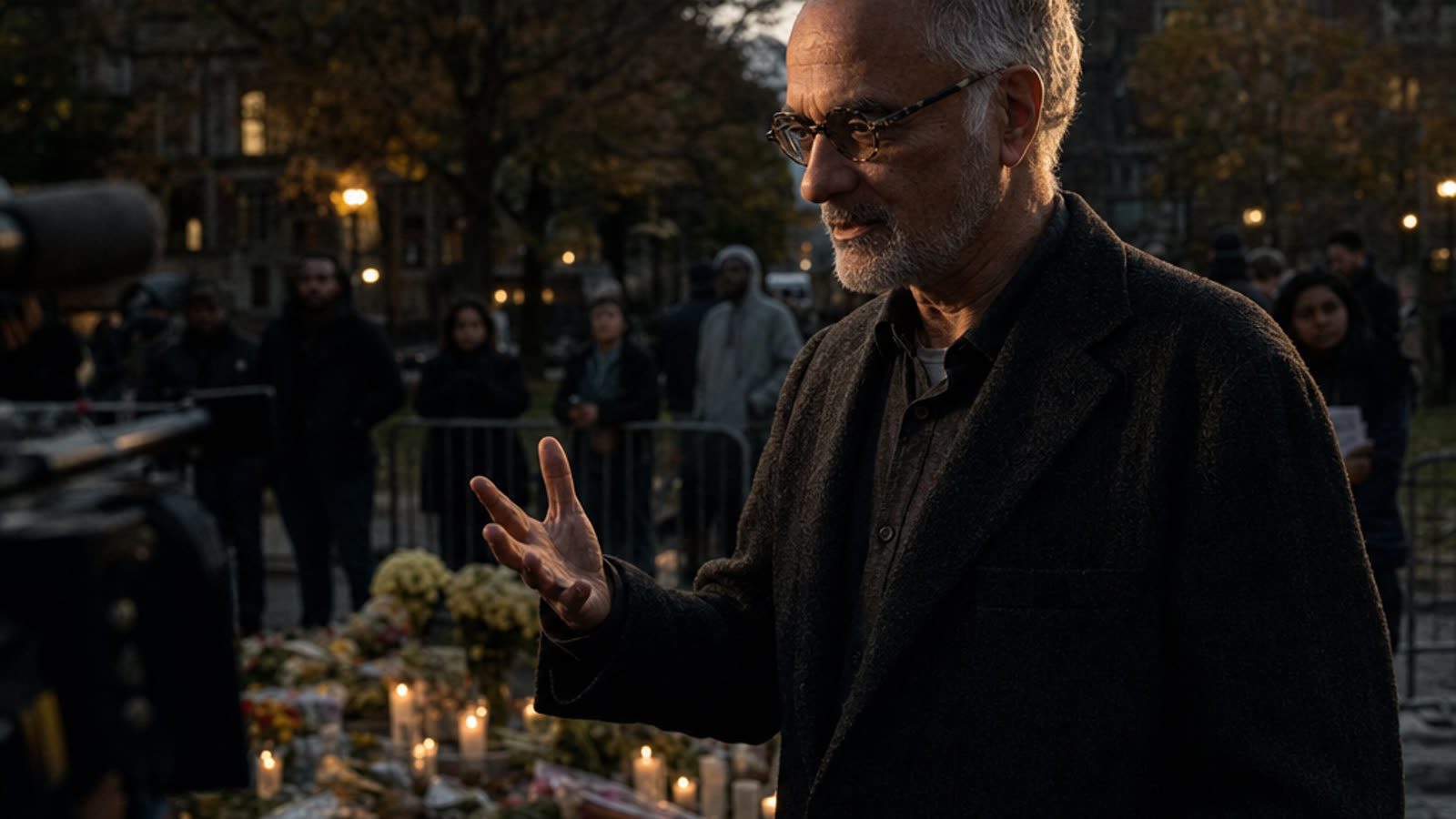
Three years after Hamas's October 7 attacks killed some 1,200 Israelis, the anniversary commemorations have become as contested as the conflict itself. Mahmood Mamdani, the distinguished Ugandan-born scholar at Columbia University, chose the occasion to accuse Israel of genocide and war crimes — remarks that drew immediate condemnation from Jewish groups and university donors while earning praise from pro-Palestinian activists.
The speech was not surprising. Mamdani, who directs Columbia's Institute for African Studies, has long argued that Israel's treatment of Palestinians constitutes settler colonialism. What made the moment combustible was the timing and the venue: a memorial event on the very anniversary of the deadliest day for Jews since the Holocaust.
The Academic Tinderbox
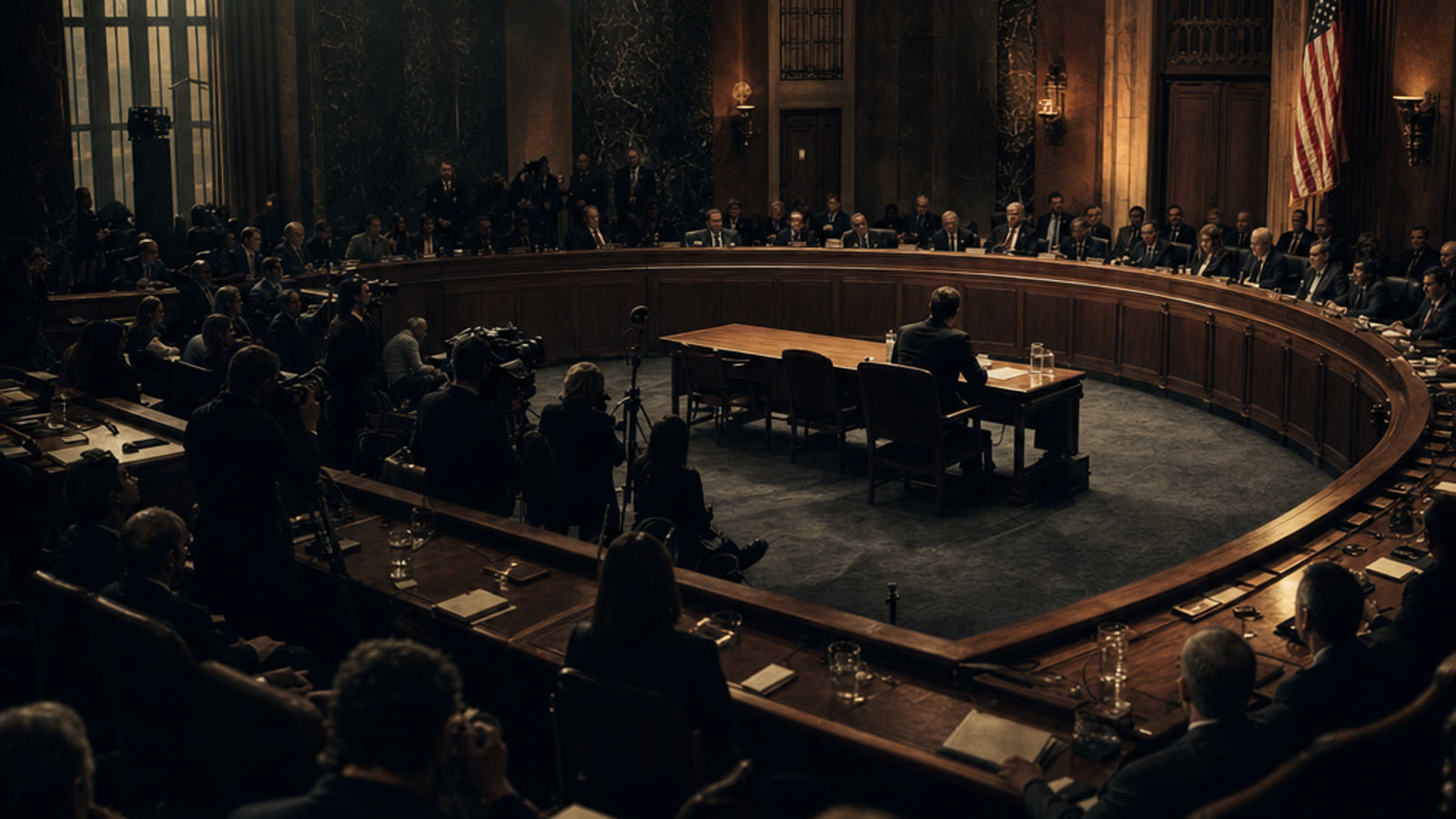
Columbia has been ground zero for campus tensions since October 2023. The university has faced congressional hearings, donor revolts, and the resignation of its president over its handling of pro-Palestinian protests. Mamdani's speech lands in this already scorched terrain.
Critics argue that invoking genocide on October 7 inverts victimhood in a way that is both historically illiterate and morally obscene. The term genocide carries specific legal meaning under international law — the intent to destroy, in whole or in part, a national, ethnic, racial, or religious group. Whether Israel's military campaign in Gaza meets that threshold is a matter of genuine legal dispute, with the International Court of Justice weighing a South African case on precisely this question.
Mamdani's defenders counter that scholarly inquiry should not be constrained by political sensitivities, and that the scale of Palestinian civilian casualties demands unflinching language. The Gaza Health Ministry's casualty figures, while disputed, run into the tens of thousands.
The Donor-University Complex
The real story may be less about Mamdani than about the structural forces squeezing American universities. Major donors have made clear that they expect institutions to police speech they find offensive. Administrators, caught between academic freedom and financial survival, have largely capitulated — issuing statements, launching investigations, and occasionally terminating faculty.
This dynamic predates October 7 but has intensified dramatically since. Universities that once styled themselves as bastions of free inquiry now function more like reputation-management firms, calibrating every public statement for maximum donor appeasement and minimum viral outrage.
Why the Anniversary Matters
Three years on, October 7 has become a Rorschach test. For Israelis and their supporters, it is a day of mourning for the murdered and kidnapped, a reminder that existential threats are not abstractions. For Palestinians and their advocates, it marks the beginning of a military campaign they view as disproportionate collective punishment.
That these two framings are irreconcilable is precisely the point. The Israeli-Palestinian conflict has always been a war of narratives as much as territory. What has changed is that American campuses — and by extension, American politics — have become fully conscripted into that war.
Our take
Mamdani is a serious scholar making a provocative argument at a provocative moment. Whether one agrees with his characterization of Israeli actions, the attempt to silence him through donor pressure and administrative sanction is corrosive to the university's core mission. The correct response to speech one finds offensive is more speech, not less. That this principle now requires defense at institutions nominally devoted to intellectual freedom suggests how far the rot has spread. Columbia will survive Mamdani's remarks. It is less clear whether it will survive the culture of preemptive capitulation that treats every controversy as an existential threat to the endowment.