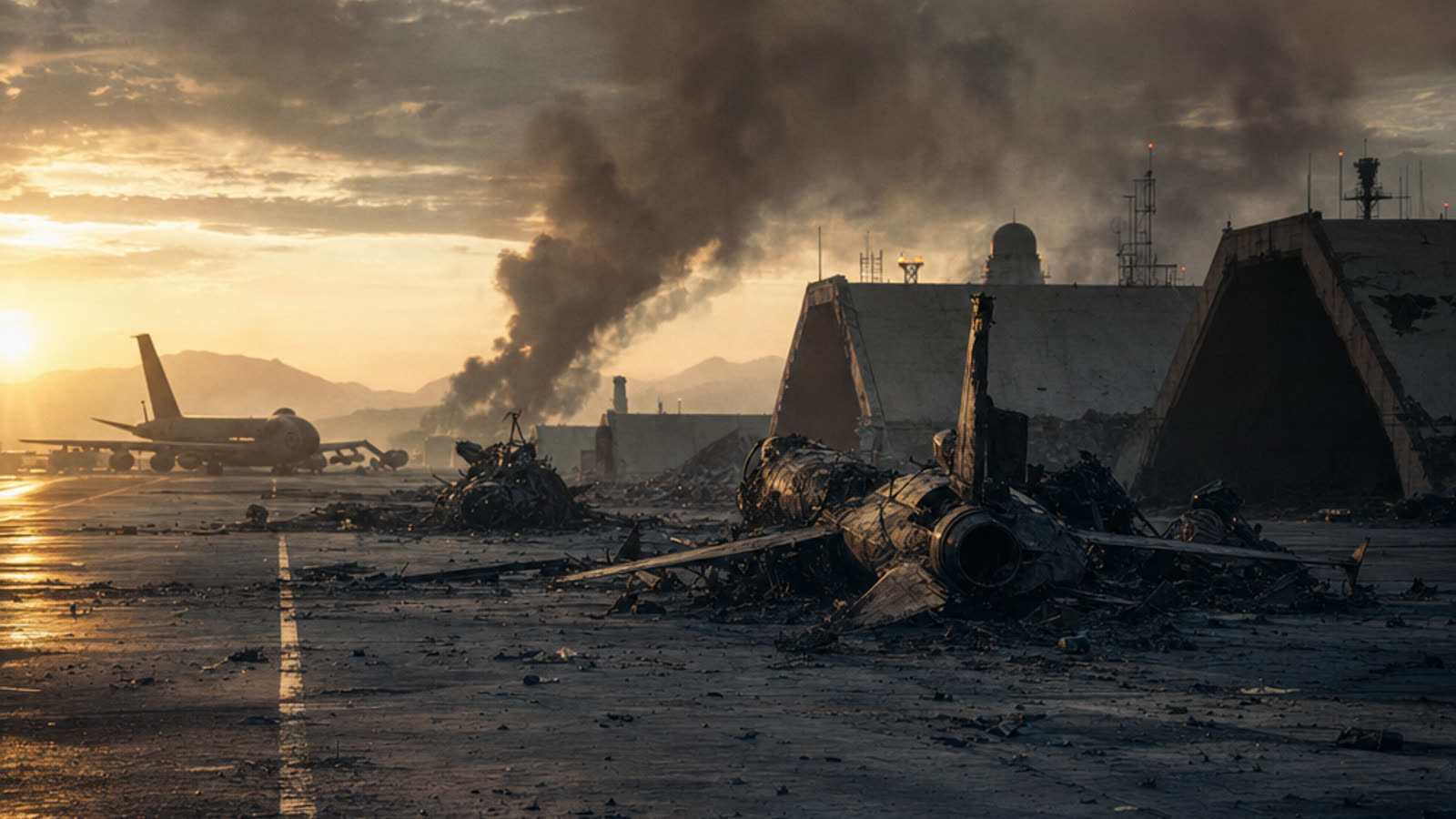
The arithmetic of the October 7 hostage crisis has always been brutal, but the final tally is worse than the headlines suggested. Of the roughly 250 people Hamas dragged into Gaza that day, at least 40 were captured alive and subsequently died in captivity — killed by their captors, by Israeli airstrikes, by neglect, or by causes that may never be determined. They survived the initial massacre only to perish in the tunnels and safe houses of Gaza, their fates sealed not by the chaos of the attack but by the grinding logic of what came after.
This is the number that should haunt policymakers in Jerusalem, Washington, and every capital that has ever faced a mass hostage scenario: roughly one in six of those taken alive did not survive long enough to be rescued or exchanged. The hostage-recovery playbook — apply military pressure, negotiate from strength, secure releases through a combination of force and diplomacy — failed them.
The limits of military leverage
Israel's response to October 7 was the most intensive military campaign in Gaza's history. The stated logic was straightforward: degrade Hamas's capabilities, eliminate its leadership, and create conditions under which hostages could be recovered. The unstated assumption was that sustained pressure would compel Hamas to trade prisoners for relief.
That assumption proved catastrophically incomplete. Hamas, unlike a rational state actor seeking to preserve its population and infrastructure, treated hostages as chips to be cashed selectively — or allowed to expire when their propaganda value diminished. Several hostages were killed in Israeli strikes, a fact Hamas publicized to maximum effect. Others died of medical neglect, starvation, or execution. The military campaign that was supposed to create leverage instead created a kill zone in which hostages became collateral.
The families' impossible position
For the families of the 40 who died in captivity, the year since October 7 has been a masterclass in political helplessness. They lobbied for deals, protested against deals, demanded military action, and pleaded for restraint — often simultaneously, because no coherent strategy existed that could guarantee their loved ones' survival. The Israeli government's position oscillated between prioritizing hostage recovery and prioritizing Hamas's destruction, two objectives that proved fundamentally incompatible.
The families now occupy a strange political space: too grief-stricken to be ignored, too inconvenient to be centered. Their demands for accountability — for intelligence failures, for strikes that killed hostages, for deals that came too late — cut against the national-unity narrative that Israeli leadership has cultivated since the attack.
What October 7 taught about hostage doctrine
The conventional wisdom on hostage crises assumes that captors want something — money, prisoner exchanges, political recognition — and that negotiations can identify a price. October 7 revealed a different model: hostage-taking as attritional warfare, in which the captors' willingness to let prisoners die is itself a strategic asset. Hamas understood that every dead hostage would be blamed on Israel by some audience, and that the psychological toll on Israeli society would compound regardless of who pulled the trigger.
This is not a problem that better intelligence or more precise airstrikes can solve. It is a structural feature of asymmetric conflict against non-state actors who do not share the state's interest in preserving human life — including the lives of their own people.
Our take
The 40 hostages who died in captivity are not a footnote to October 7; they are its ongoing verdict. Israel's military response may have been emotionally inevitable and politically necessary, but it did not save them. The lesson is not that Israel should have done nothing — Hamas's attack demanded a response — but that the response's architects oversold what force could achieve. Hostage recovery requires either overwhelming speed (which was impossible given Gaza's tunnel network) or genuine negotiation (which was politically radioactive). Israel chose a middle path that maximized destruction while minimizing leverage, and 40 families are living with the result. That is not hindsight; it is accounting.