International football managers lie constantly. They protect injured players from media scrutiny, talk up fringe selections to keep squad harmony, and deploy euphemisms like "match fitness" when they mean "hasn't run in weeks." What they do not do—what the unwritten code explicitly forbids—is publicly declare that a player they have just selected is "out of shape."
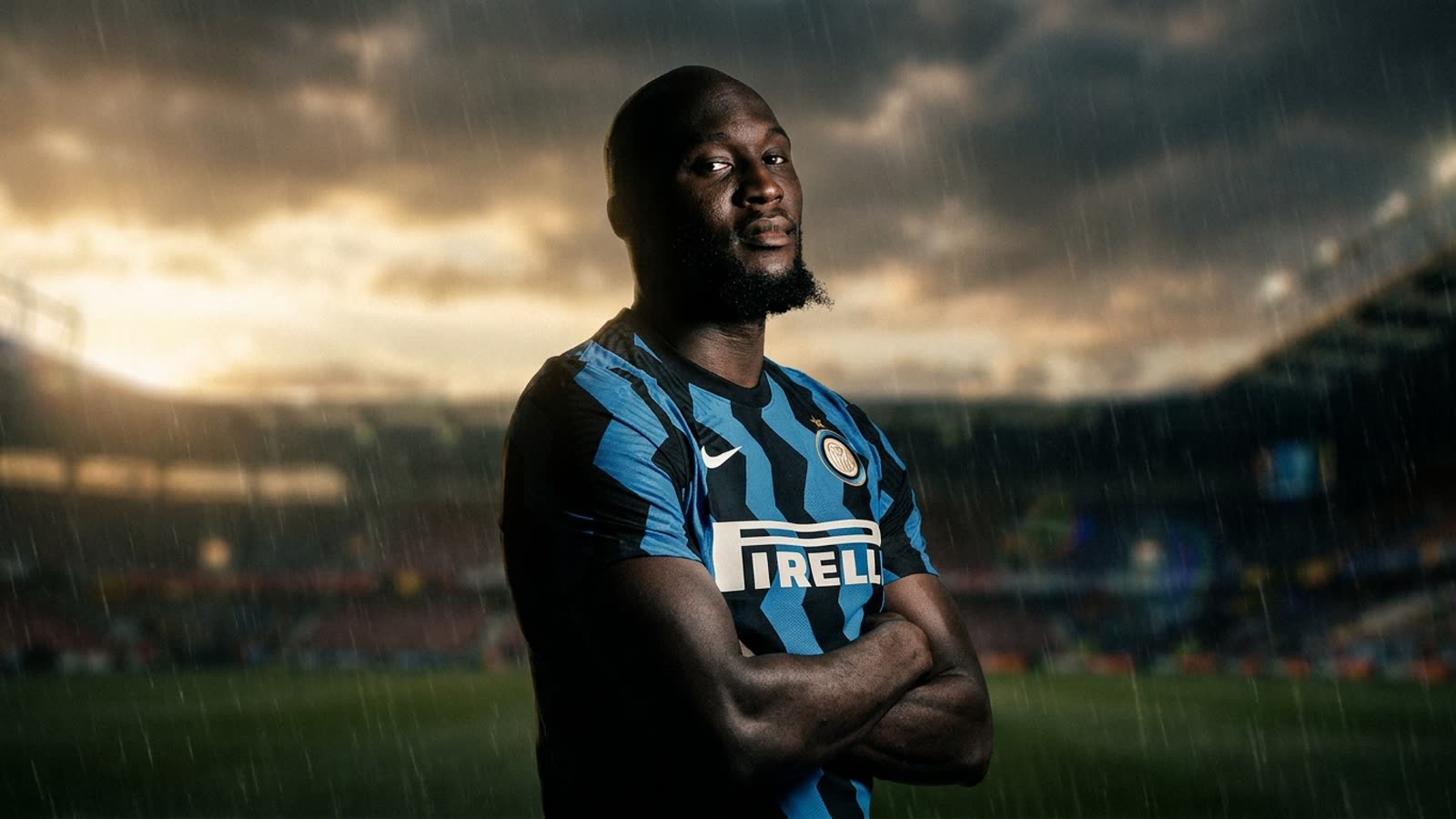
Rudi Garcia did exactly that when announcing Romelu Lukaku's inclusion in Belgium's World Cup squad. The statement is remarkable not for its accuracy (Lukaku's conditioning has been questioned for years) but for its brazenness. A manager does not say the quiet part loud unless he is either supremely confident or profoundly frustrated. Garcia appears to be the latter.
The Lukaku problem
Belgium's all-time leading scorer has become a paradox: too important to leave home, too unreliable to build around. His club career has been a carousel of loans and permanent moves since his Chelsea implosion, yet he remains the only genuine number nine in a Belgian pool that has otherwise aged out of its golden generation. Kevin De Bruyne is 34. Eden Hazard retired. Thibaut Courtois has spent more time in rehabilitation than between the posts.
Lukaku, at 33, is meant to be the bridge between that fading cohort and whatever comes next. Instead, he arrives at the tournament as a cautionary tale—a player whose physical gifts have been eroded by inconsistent preparation and whose relationship with coaches has curdled into mutual tolerance at best.
Garcia's gamble
The manager's candor may be strategic. By lowering expectations publicly, Garcia insulates himself from criticism if Lukaku underperforms and claims credit if the striker somehow rediscovers form. It is also a message to the dressing room: no one is above accountability, not even the man with 85 international goals.
But the approach carries risk. Lukaku has historically responded poorly to perceived slights, and Belgium's tournament hopes—modest as they may be—still depend on him finding the net when it matters. Publicly undermining your striker before a World Cup is not motivational psychology; it is a declaration that the relationship has already broken down.
A generation's last act
Belgium's golden generation promised a trophy and delivered quarterfinal heartbreak. This World Cup is almost certainly the final act for the core that reached number one in the FIFA rankings and stayed there for years without silverware to show for it. Lukaku's inclusion, fitness concerns and all, is an admission that Belgium has no better option—and perhaps no real plan beyond hoping the old guard musters one more run.
Our take
Garcia's honesty is refreshing in a sport drowning in cliché, but it also feels like an alibi being constructed in advance. Belgium are no longer contenders; they are nostalgia merchants hoping muscle memory compensates for preparation. Lukaku may yet prove everyone wrong, but his manager clearly does not expect him to.