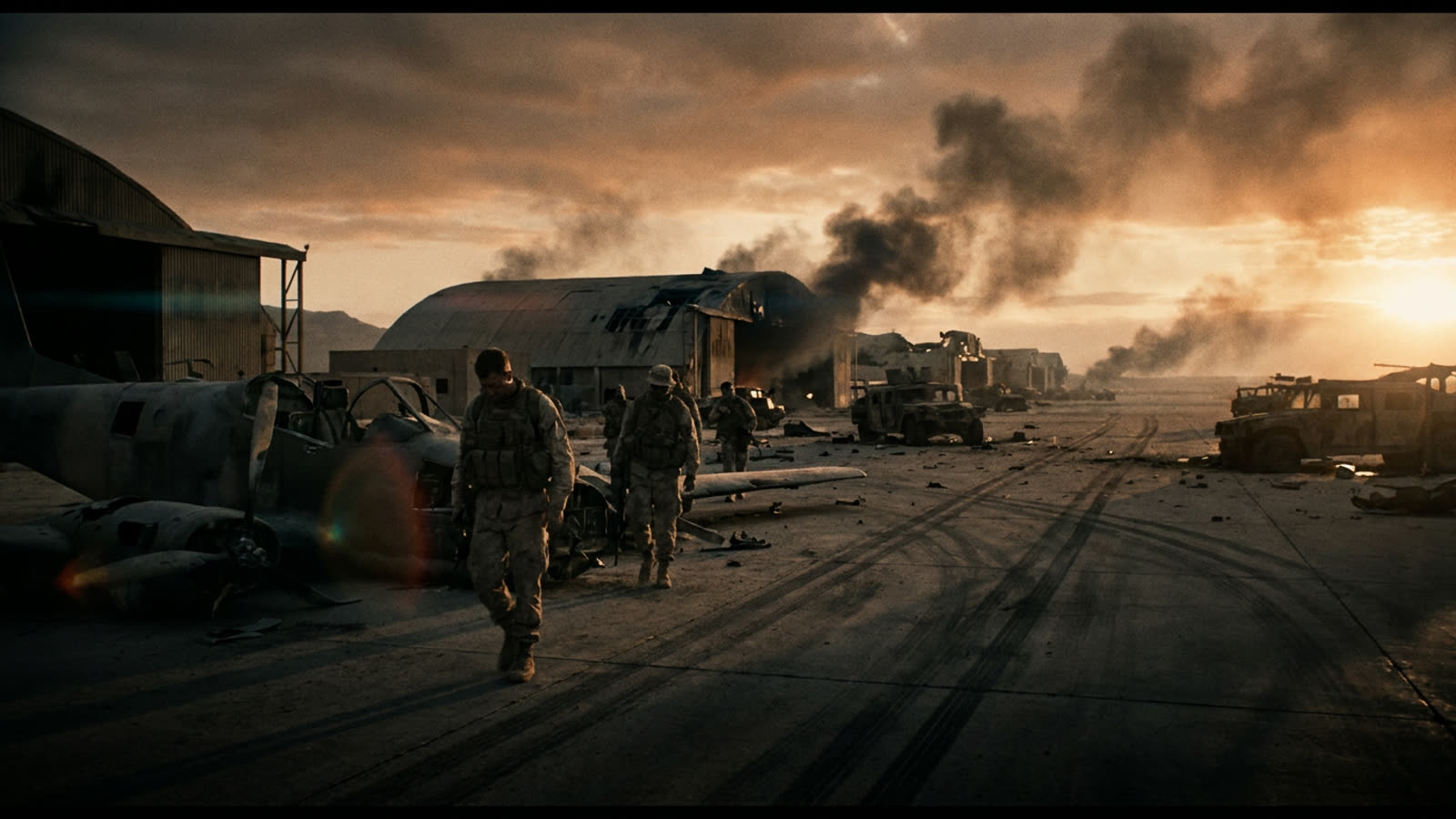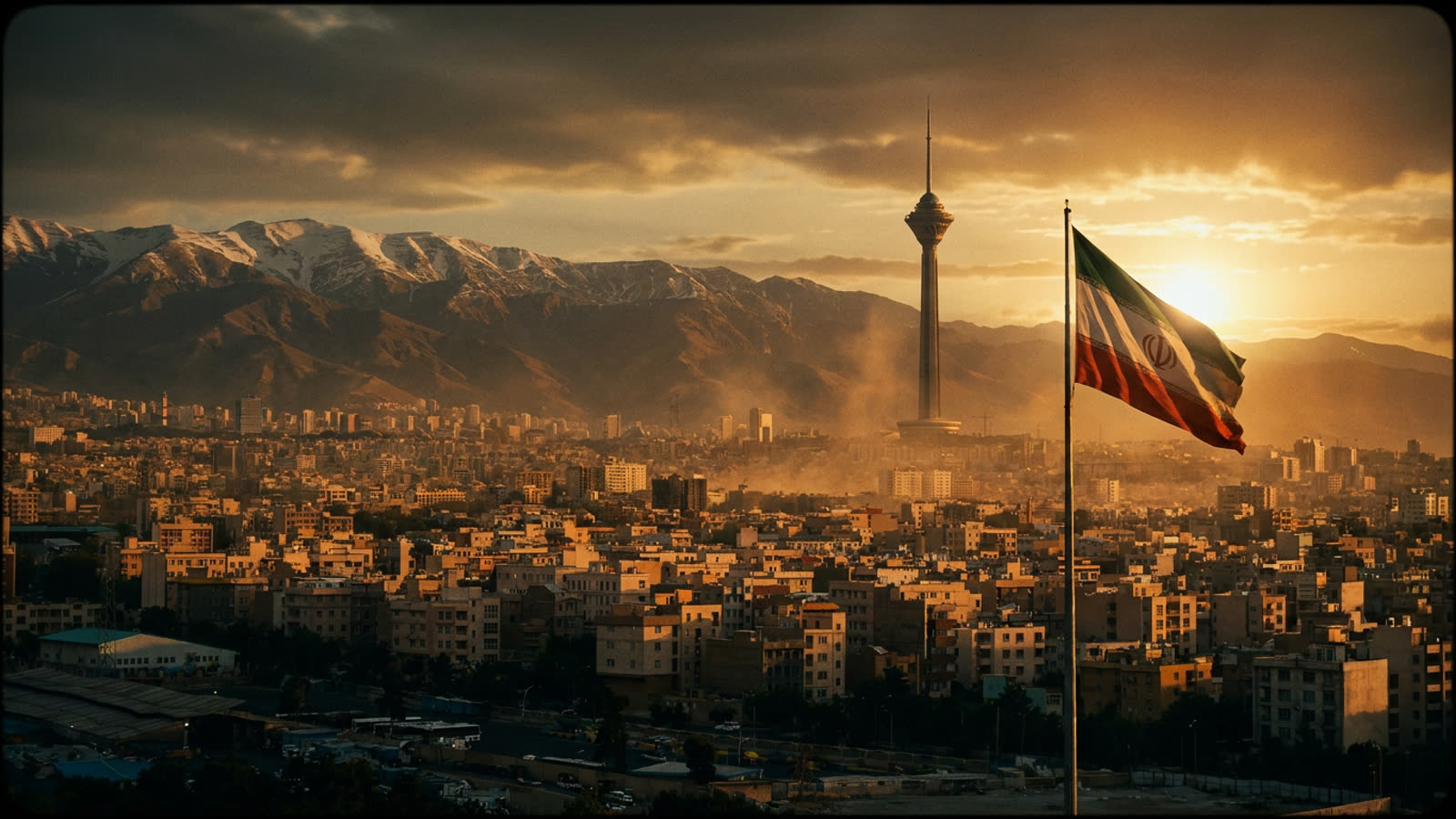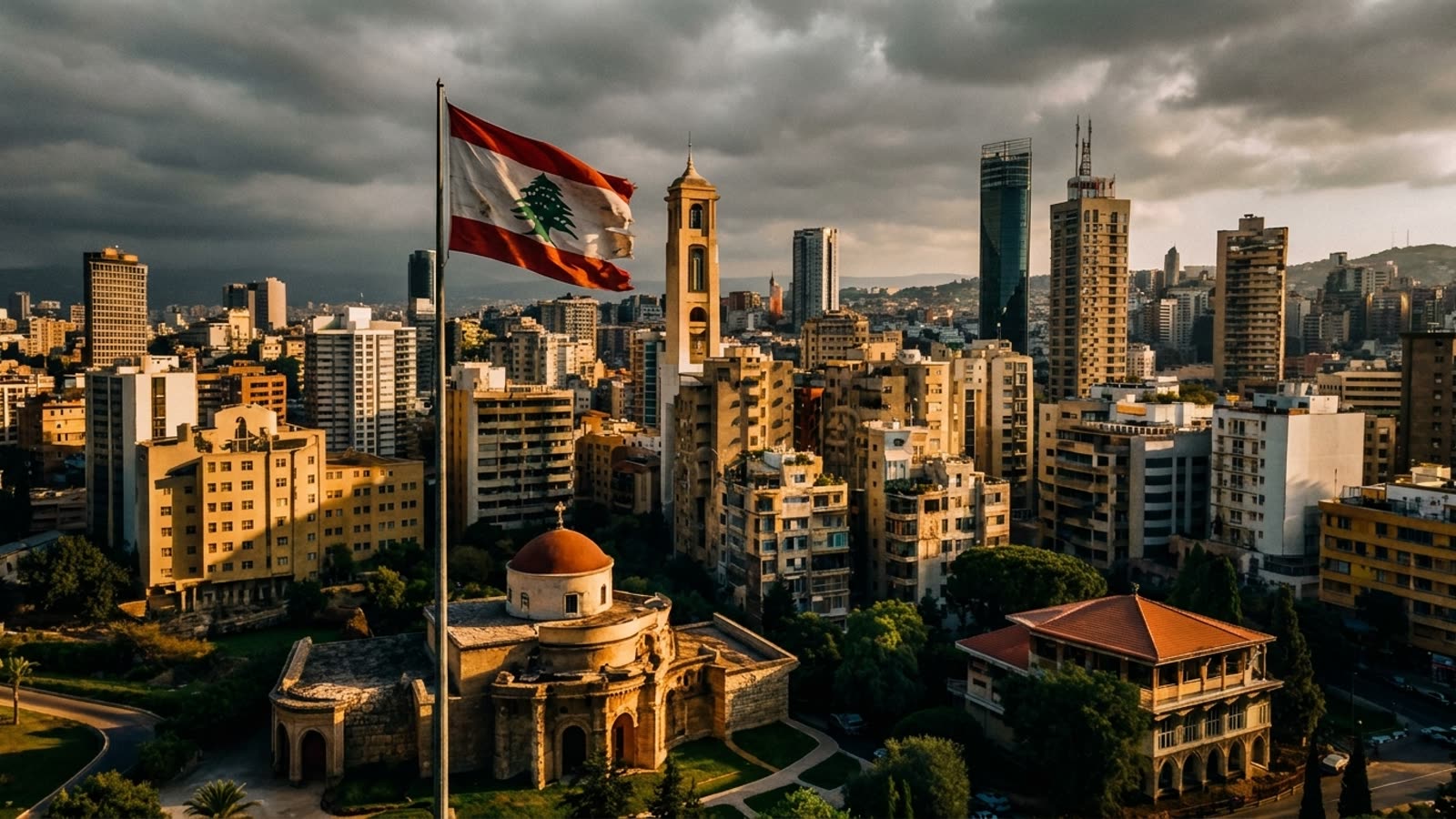
The Lebanese have stopped waiting for rescue. As the United States and Iran exchange strikes and inch toward yet another round of nuclear negotiations, the people caught in the crossfire of their proxy war have reached a grim conclusion: whatever deal emerges—if one emerges at all—will not include them.
This is the bitter arithmetic of small-state geopolitics. Lebanon's fate has been outsourced to actors who view its territory as a chessboard, its civilians as acceptable collateral, and its sovereignty as a polite fiction. The current U.S.-Iran confrontation has only clarified what many Lebanese already knew: their country's destruction is a feature, not a bug, of regional power competition.
The proxy trap
Hezbollah's entrenchment in Lebanese politics means that any U.S.-Iran conflict automatically becomes a Lebanese one. The militant group, funded and armed by Tehran, has transformed the country into Iran's Mediterranean outpost—a forward operating base that gives the Islamic Republic strategic depth against Israel and leverage against Washington. For Iran, this arrangement is cheap insurance. For Lebanon, it is an existential liability.
The problem is structural. Even a comprehensive nuclear deal—the kind that lifts sanctions and normalizes Iran's international standing—would not require Tehran to abandon its regional proxies. The 2015 JCPOA certainly didn't. Iran pocketed sanctions relief and continued building its "axis of resistance" across the Levant. There is no reason to believe a 2026 agreement would be different.
Why Beirut doesn't matter to Washington
The Trump administration's priorities are legible: prevent Iran from acquiring nuclear weapons, protect American military assets in the region, and avoid a wider war that would spike oil prices before the midterms. Lebanon appears nowhere on this list. The country's slow-motion collapse—its currency worthless, its infrastructure crumbling, its best-educated citizens fleeing—registers in Washington as unfortunate but irrelevant to core American interests.
This is not cynicism; it is realism. American foreign policy has never treated Lebanon as intrinsically valuable. It matters only insofar as it affects Israel's security or Iran's ambitions. The Lebanese understand this, which is why they greet each new round of diplomacy with weary skepticism rather than hope.
Our take
The Lebanese resignation is rational, not defeatist. They have watched their country serve as a battlefield for others' wars since 1975, and they have learned that great-power diplomacy operates on a different plane than small-state survival. A U.S.-Iran deal might reduce the risk of regional conflagration, but it will not restore Lebanese sovereignty, disarm Hezbollah, or rebuild Beirut's shattered economy. Those tasks, if they are ever accomplished, will require Lebanese agency—something that has been in desperately short supply for half a century. Until then, the war continues, deal or no deal.